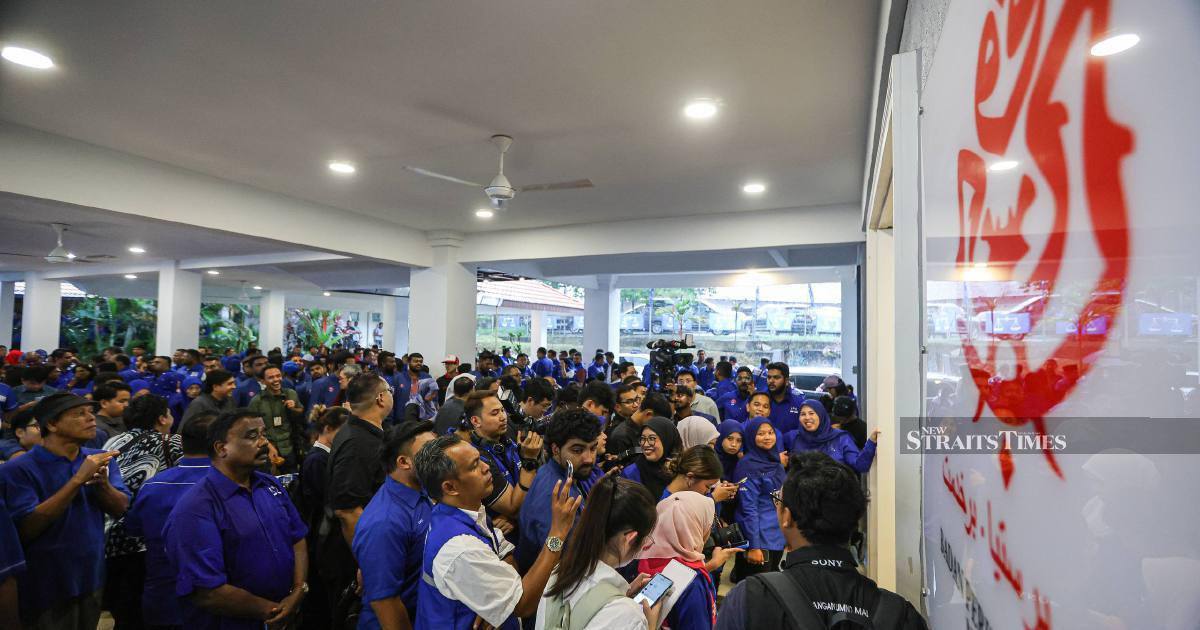
Energy is mounting at Johor Umno headquarters in Johor Baru as Barisan Nasional officially rolls out its slate of candidates for the state election. The gathering has attracted party officials across all component parties of the coalition, alongside grassroots members and party loyalists eager to witness the unveiling of whom will carry BN's colours in the contests ahead. The mood reflects the significance of the electoral battle looming for Malaysia's southern state, where the ruling coalition faces the task of retaining control of a territory historically aligned with its dominance.
The candidate announcement represents a pivotal moment in BN's election strategy, signalling the culmination of weeks of internal deliberations and negotiations among the coalition's constituent parties. For Umno, which holds the predominant share of state seats, the selection process involves balancing competing interests between incumbent members seeking re-nomination and new faces intended to energize the party's appeal. The gathering itself underscores the hierarchical nature of Malaysian politics, where such public ceremonies serve as occasions to reinforce party unity and project confidence to both supporters and opponents alike.
Johor's electoral significance extends beyond state-level politics, given the state's economic weight and population. As home to over four million residents, the state represents a substantial constituency whose voting preferences reverberate across national political calculations. Historically, Johor has served as a BN stronghold, though recent election cycles have witnessed increased competition from opposition coalitions. The outcome of this election will therefore provide important signals about the coalition's capacity to retain support in what was once considered a secure heartland.
The 16th state election follows Malaysia's complex political trajectory over recent years, marked by shifting coalitions and changing voter preferences. BN's ability to hold Johor assumes particular importance given demographic shifts, urbanisation trends, and the expanding political consciousness among younger voters. The candidate selections being announced will reflect how the coalition intends to address these evolving dynamics through its nominee pool, whether by promoting younger candidates or maintaining representation of established figures.
Within the BN coalition structure, such announcements also carry symbolic weight regarding the balance of power between component parties. While Umno traditionally dominates the state assembly, MCA and MIC members occupy allocated seats. The composition of announced candidates will indicate whether the coalition maintains its established power-sharing arrangements or adjusts representation in response to changing political circumstances. These internal calculations, though often invisible to casual observers, remain consequential for coalition stability and the distribution of ministerial and leadership positions that follow electoral outcomes.
The convergence of party members and supporters at Johor Umno headquarters reflects genuine grassroots interest in the election, though it also demonstrates the organizational capacity that established political parties retain. Unlike younger opposition parties that have sometimes struggled with logistical coordination, BN's established machinery continues functioning effectively in mobilising members for major political events. This demonstrated organisational prowess itself functions as a message to voters about the coalition's capability to govern.
Candidate selection processes in Malaysia remain largely opaque affairs conducted within party structures, with final announcements revealing decisions already determined through internal mechanisms. The public unveiling therefore marks the culmination rather than the beginning of deliberation, presenting supporters and the broader electorate with accomplished facts. This approach contrasts with some democratic systems featuring more transparent candidate selection, though it aligns with the hierarchical, consensus-oriented political culture prevalent in Malaysia.
The excitement evident among gathered supporters speaks to the persistence of partisan identification in Malaysian politics, where party affiliation often reflects kinship networks, historical community allegiances, and identity-based considerations. For many BN supporters, attendance at such gatherings represents acts of solidarity and participation in a collective political enterprise that transcends electoral calculation. These emotional dimensions of politics, though sometimes overlooked in analytical accounts, sustain party organisation and fuel volunteer efforts that prove essential during campaigning.
Johor's 16th state election occurs within a specific national political context, following recent federal elections and amid ongoing negotiations between various political factions at the national level. The state election thus possesses implications extending beyond Johor itself, potentially influencing the stability of the federal government and the broader trajectory of Malaysian politics. Should BN perform unexpectedly poorly, ripples might extend to Putrajaya; conversely, a decisive victory would strengthen the coalition's negotiating position amid ongoing federal power-sharing arrangements.
The candidate announcements also merit attention from a Southeast Asian perspective, as Malaysia's coalition-based political system and periodic electoral contests provide regional lessons about inclusive governance models. The BN coalition's longevity, despite periodic electoral challenges, demonstrates that multiethnic political coalitions can function over extended periods, though Malaysian experience also illustrates the tensions inherent in maintaining such arrangements when competing for electoral support.
Governance implications of the election extend to Johor's economic development agenda and public service delivery. The state government oversees substantial expenditure and policy decisions affecting business climate, infrastructure investment, and social programmes. The election will therefore determine not merely which individuals occupy legislative seats, but also whose economic and policy vision guides the state's direction over the coming years.
As the campaign period unfolds following these candidate announcements, voters will assess the quality of BN's offerings relative to alternative coalitions, evaluate incumbent performance, and consider their own preferences regarding future governance. The gathering at Johor Umno headquarters marks the formal commencement of this democratic exercise, establishing the parameters within which electoral competition will subsequently occur.

