The nomination process for the 16th Johor state election unfolded without complications on June 27, as candidates and political parties filed their candidacy papers across all 56 nomination centres throughout the state. The orderly progression marked an important milestone in the election cycle, with no disruptions reported at any of the locations where hopefuls formally registered their intent to contest various state seats.
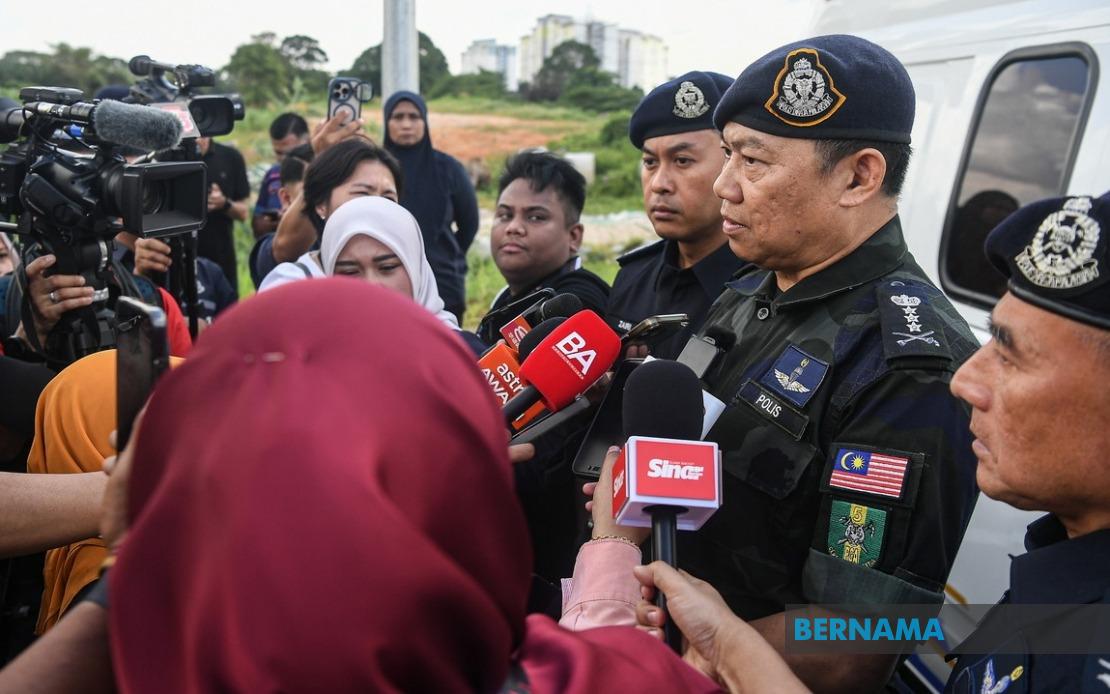
Police deployed substantial resources to oversee the day's activities, with Johor police chief Datuk Ab Rahaman Arsad confirming that 4,832 officers and personnel were stationed throughout the state to maintain peace and security. The heavy presence underscored the administration's commitment to ensuring the democratic process proceeded without obstruction, though the lack of reported incidents suggests that such precautions, while necessary, ultimately proved precautionary rather than remedial in nature.
Datuk Ab Rahaman observed the nomination process firsthand at the Puteri Wangsa seat nomination centre, which was held at Sekolah Menengah Kebangsaan Bandar Dato Onn in Johor Bahru. His presence on the ground reflected the police's hands-on approach to election security, allowing senior leadership to assess conditions in real time rather than relying solely on reports from field personnel.
The election machinery is moving forward on schedule, with the Election Commission having designated July 7 as the date for early voting, followed by the main polling day on July 11. This timeline gives candidates roughly two weeks between the close of nominations and election day to conduct their campaigns and reach voters, a relatively compressed schedule that will require parties to mobilise their ground teams efficiently.
Campaign permit approvals have already begun, with police confirming that 26 permits have been issued statewide as of the nomination day. The figure suggests that political parties have been preparing their campaign strategies in advance, with applications likely filed before nominations formally closed. Additional permits are expected to be approved as the campaign period progresses, though the process will remain subject to police oversight to ensure compliance with electoral regulations.
Datuk Ab Rahaman's remarks underscored the police's expectation that all political actors would conduct themselves within the bounds of the law. He reminded candidates and party officials to campaign responsibly and adhere to election laws and regulations, a standard reminder that nonetheless carries weight given the police's stated readiness to intervene should any party cross the line. The warning was notably non-partisan, directed at the broader electoral community rather than targeting specific political movements.
The chief police officer also cautioned against any actions that could threaten public order, signalling that the authorities would take a dim view of campaign activities that descended into violence, intimidation, or other forms of social disruption. Such warnings are routine in Malaysian elections, but they carry particular significance in Johor, a state with a history of intense political competition and strong support for various political coalitions.
For Malaysian observers, the smooth nomination process offers an early indicator that the Johor election may proceed without the tensions that sometimes characterise electoral periods. The absence of incidents at the nomination stage does not guarantee a peaceful campaign period, but it suggests that the ground temperature remains manageable and that political actors are respecting the formal mechanisms of democratic competition.
The election holds implications beyond Johor's borders, as the state's results will provide a barometer for national political sentiment. Johor has traditionally been a stronghold of Barisan Nasional, though this status has been contested in recent electoral cycles. The outcome of this election could offer clues about the state's political trajectory and the broader national political landscape heading into the next federal election.
With the nomination process concluded, candidates now shift their attention to campaign strategy and voter outreach. The compressed timeline between nominations and polling day means that parties must move quickly to establish their messaging, deploy campaign materials, and conduct rallies and door-to-door activities. The two-week period will test the organisational capabilities of political parties and the intensity with which voters engage with electoral choices in an era of digital communication and changing media consumption patterns.

