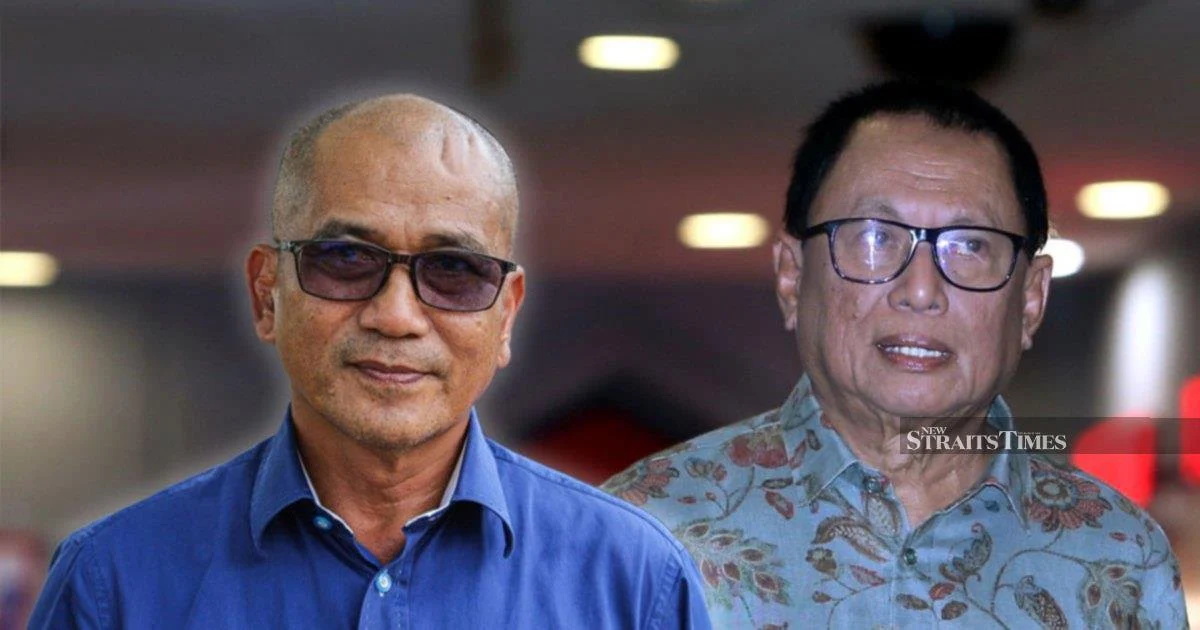
Senior figures within Johor's Umno division have issued a sharp rebuke to accusations levelled by Datuk Dr Mohd Puad Zarkashi, who previously held the position of speaker in the state legislative assembly. The party leaders contend that the former speaker's assertions regarding the circumstances surrounding the June 1 dissolution of the assembly constitute grave slander that demands refutation.
The dissolution of the Johor state assembly in early June marked a pivotal political moment for the state, triggering a cascade of developments across Johor's political landscape. The decision to dissolve the assembly and call for fresh elections emerged as a controversial move that generated considerable debate among political observers, party loyalists, and analysts monitoring developments in Malaysia's southern stronghold. The timing and reasoning behind the dissolution have since become the subject of competing narratives within the state's political circles.
Datuk Dr Mohd Puad Zarkashi, in his capacity as the former speaker, occupied one of the most significant institutional positions within the Johor legislature. As speaker, he would have been privy to the inner workings of the state assembly and possessed detailed knowledge of parliamentary procedures and protocols. His decision to voice criticisms regarding the assembly's dissolution carries particular weight given his previous standing and intimate familiarity with the legislative institution.
The nature of the allegations made by the former speaker remains a focal point of political interest, though Umno's coordinated response suggests the claims touch upon sensitive aspects of the party's decision-making processes. By characterising the accusations as slander, Johor Umno leaders are signalling that they view Puad Zarkashi's statements as not merely political disagreement but as defamatory in nature—a serious escalation in the rhetoric surrounding the assembly's dissolution.
This exchange reflects deeper fault lines within Johor's political establishment, particularly within Umno itself. The appearance of internal criticism from a former legislative figure suggests that the dissolution decision may not have achieved universal consensus within party ranks. Such visible rifts can potentially impact party cohesion and public perceptions of leadership unity, matters of significance in a state where Umno has traditionally maintained considerable political influence.
For Malaysian political observers, the Johor situation underscores the ongoing complexities within Umno's state-level operations. The party continues to navigate tensions between different factions and leadership circles, a dynamic that has characterised Malaysian politics more broadly in recent years. State-level dissent occasionally erupts into public view, complicating the party's ability to present a unified front to voters and rivals alike.
The dissolution of state assemblies remains one of the most consequential decisions available to state governments, carrying implications for political timing, electoral calendars, and the allocation of resources. In Johor's case, the June 1 dissolution would have triggered preparations for state elections, demanded campaign expenditures from political parties, and shifted focus towards electoral mobilisation rather than legislative business. The rationale underlying such a decision typically involves calculations about optimal electoral conditions and anticipated voter sentiment.
Puad Zarkashi's willingness to publicly criticise a decision endorsed by Umno's state leadership demonstrates the challenges faced by parties in maintaining internal discipline while accommodating diverse viewpoints among prominent members. Former office holders often retain considerable standing and credibility, enabling them to command media attention and shape public discourse through their statements. This dynamic places significant constraints on how the party mainstream can respond without appearing defensive or authoritarian.
The Johor Umno leadership's collective response indicates a deliberate strategy to delegitimise the former speaker's allegations rather than engage substantively with specific claims. This approach suggests confidence in their position while simultaneously acknowledging that Puad Zarkashi's criticisms posed sufficient reputational risk to warrant an organised counteroffensive. Such defensive positioning by those in authority often signals deeper anxieties about public perception and political vulnerability.
For Malaysian readers, this dispute carries relevance beyond Johor's borders, as it illuminates broader patterns within Malaysia's major political parties. The capacity of state-level institutions to withstand internal criticism, process competing viewpoints, and maintain public credibility represents an ongoing challenge for established parties navigating Malaysia's increasingly complex political terrain. How Johor Umno ultimately manages this controversy could carry implications for the party's standing among voters as future state elections approach.
The timing of these public recriminations also deserves scrutiny, as it coincides with post-dissolution political activity and electoral preparations in Johor. The emergence of internal criticism at such a juncture potentially complicates party messaging and candidate selection processes. Political movements require momentum and unity to effectively prosecute electoral campaigns, and public disputes among prominent figures inevitably dissipate party energy and distract from positive messaging to voters.
Looking forward, the resolution of this dispute between Johor Umno's mainstream leadership and Datuk Dr Mohd Puad Zarkashi remains uncertain. Whether the parties reach some form of reconciliation or continue their public sparring will likely depend on the political calculations and personality dynamics involved. The outcome could influence how future institutional decisions receive scrutiny from within the party and whether other prominent figures feel emboldened to voice dissent publicly.

