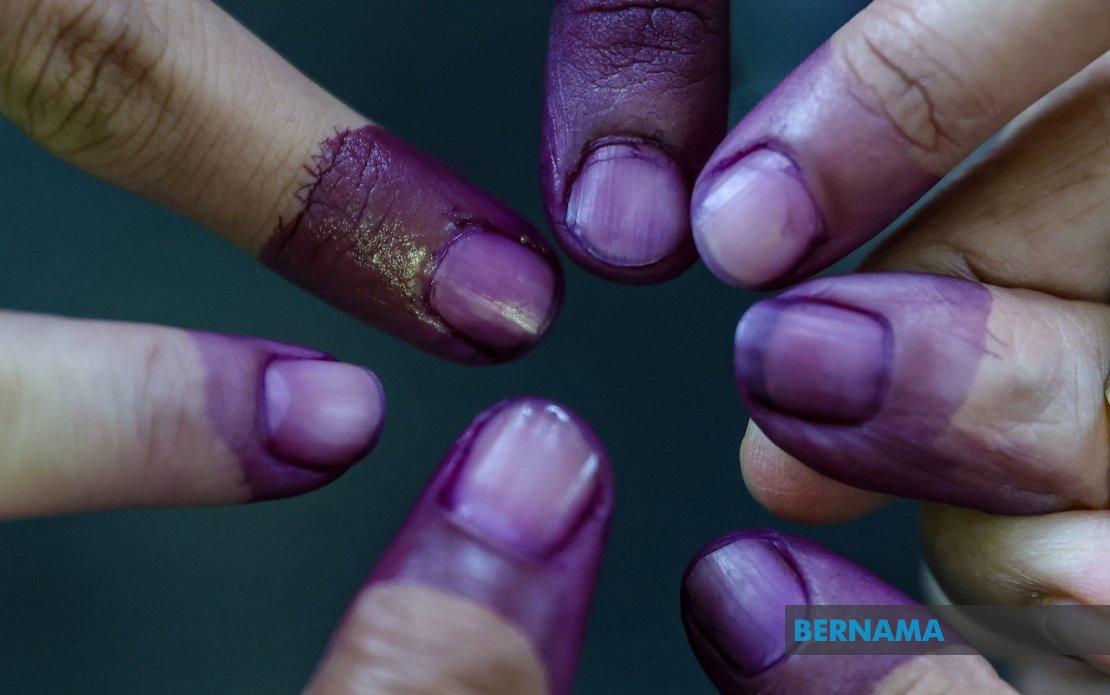
Voting in the 16th Johor state election on July 11 came with an unexpected perk this year: the distinctive purple stain left by the indelible ink marker became a ticket to dining discounts and complimentary treats across the state. What has traditionally served as a safeguard against electoral fraud—the mark denoting legitimate voter participation—was rebranded by participating merchants as a "reward pass," transforming election day into an occasion where civic duty met consumer incentive.
The collaborative promotional push reflected an intriguing convergence of interests. Food and beverage retailers seized the opportunity to associate their brands with the democratic process whilst simultaneously driving foot traffic on a day when many Malaysians would be away from their regular routines. The offers themselves were modest in monetary value but substantial in symbolic weight, signalling business community support for electoral participation and celebrating the significance of the polling exercise.
The Coffee Bean & Tea Leaf led the promotional charge by extending a 20 per cent discount on selected items to any customer who displayed the telltale purple fingertip evidence of having voted. The promotion operated on a single-day window, creating urgency and encouraging immediate spending. Krispy Kreme complemented this strategy with an irresistible sweetener: an Original Glazed doughnut available for just RM2 upon presentation of the ink mark, subject to stock availability at participating Johor outlets. These offerings represented meaningful value propositions during a period when voters might otherwise have skipped meal purchases.
Burger King extended its participation across two consecutive days, granting complimentary Soft Serve Cone ice cream with any set meal purchase, acknowledging that not all voters would cast their ballots simultaneously. Marrybrown, a regional chicken retail favourite, offered a free piece of fried chicken with the purchase of any MB Combo when patrons showed their inked fingers. The participation of these established retail brands—spanning international chains and regional players—demonstrated broad-based merchant enthusiasm for the initiative.
The indelible ink mark itself carries significant historical weight in Malaysian electoral administration. The Election Commission first introduced this safeguard mechanism during the Kuala Besut by-election in 2013, deploying it as a crucial technical measure to prevent multiple voting and preserve the structural integrity of the electoral process. Since then, the purple stain has become a familiar fixture at polling stations nationwide, a visual confirmation that each eligible citizen has exercised their democratic franchise only once. This year's commercial weaponisation of that mark represented a creative extension of its symbolic importance.
Social media amplified the promotional initiative considerably, with voters posting photographs of their post-ballot celebration stops beginning early in the morning and continuing throughout the polling period. The visual documentation of this unusual election day tradition created organic publicity for participating merchants whilst simultaneously celebrating individual acts of voting. The posts functioned as informal endorsements of both the democratic exercise itself and the brands offering rewards, blending civic engagement with consumer culture in ways that appealed particularly to younger demographics.
The 16th Johor state election commanded considerable attention in Malaysia's political landscape, with more than 2.6 million eligible voters registered to participate in selecting 56 representatives for the State Legislative Assembly. The contest attracted 172 candidates fielded across an unusually fragmented political spectrum. Pakatan Harapan and Barisan Nasional each presented the full complement of 56 candidates, framing the election as a two-coalition contest. However, Perikatan Nasional contested 33 seats, whilst Parti Bersama Malaysia entered 15 candidates. Smaller players including MUDA with four candidates, Parti Orang Asli Malaysia, Parti Sosialis Malaysia, and six independent candidates completed the field, reflecting the increasingly diversified political options available to Malaysian voters.
This fragmentation itself creates implications for understanding electoral engagement patterns. The availability of promotional incentives on polling day, whilst seemingly trivial, speaks to broader efforts by commercial entities and presumably political actors to maximise voter turnout during an election featuring significant competition. Higher participation rates typically benefit larger, more established coalitions with broader support networks, yet they also signal civic engagement that transcends any single partisan interest. The retailers' promotional strategy effectively sided with the democratic process itself rather than endorsing specific candidates or parties.
For Malaysian electoral observers and business analysts, the Johor case study illustrates how consumer brands increasingly recognise democratic processes as occasions for community engagement and brand positioning. The approach differs markedly from international precedents where polling day itself often remains commercially quiet; in Malaysia's highly competitive retail environment, merchants identified an opportunity to celebrate civic participation whilst driving business. The integration of indelible ink symbolism into commercial messaging created a distinctive local adaptation of election day culture.
The festive atmosphere generated by these promotions, whilst dismissed by cynics as frivolous, carried genuine significance for ordinary voters. The recognition that casting a ballot merited tangible appreciation—however modest—reinforced messaging that voting represents valued civic participation worthy of celebration. This positive framing contrasts with more negative electoral narratives sometimes dominating political discourse, offering voters a brief moment of national unity centred on democratic participation rather than partisan division.
Moving forward, the success of Johor's election day promotional initiative may influence how future Malaysian electoral exercises are marked. If comparable strategies appear in upcoming state elections and the next general election, they could reshape how commercial sectors engage with democracy itself. The transformation of the indelible ink mark from purely institutional safeguard into a consumer rewards token demonstrates the malleability of electoral symbols and the creative spaces available for reinforcing democratic culture beyond purely political messaging.

