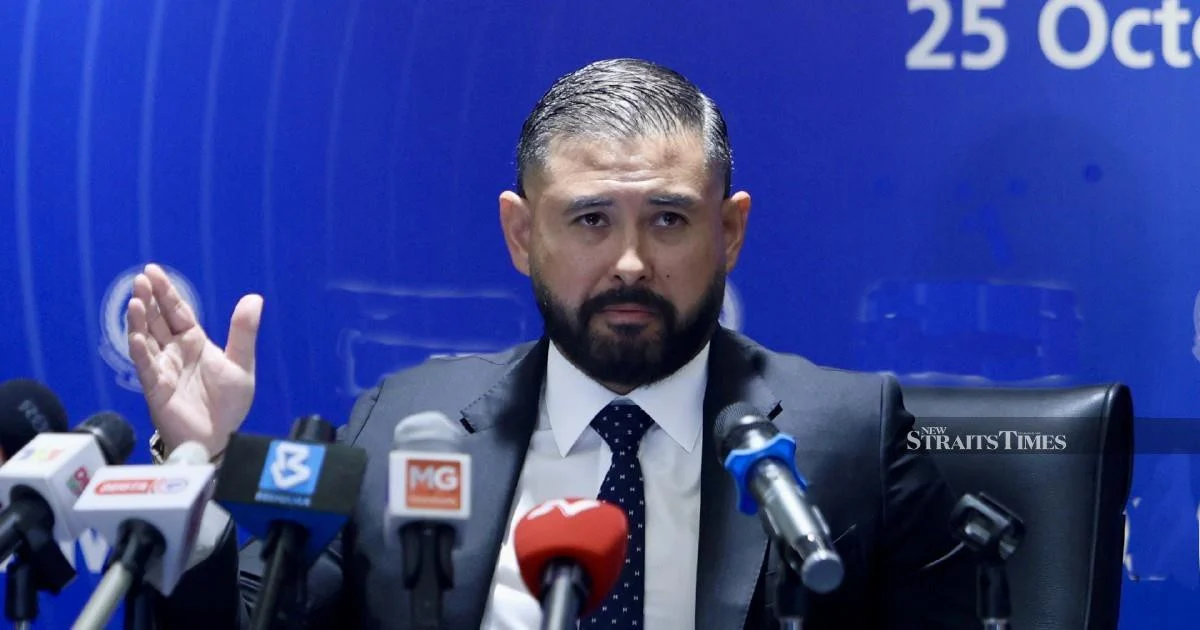
Johor's Regent Tunku Ismail Sultan Ibrahim has mounted a direct challenge to the Prime Minister's recent assessment of the state's fiscal condition, rejecting the narrative that Johor suffers from significant internal revenue leakages. Speaking in Johor Baru, the Regent instead contended that the real drain on the state's finances stems from federal-level policies and mechanisms that prevent Johor from retaining revenues it rightfully generates. This statement marks an escalation in a simmering dispute over Johor's economic management and its relationship with the federal government, with the Regent presenting a competing explanation for the state's financial challenges that directly implicates Kuala Lumpur rather than state-level administration.
The Regent's intervention comes amid growing scrutiny of Johor's economic performance and governance under Chief Minister Onn Hafiz Ghazi. While the Prime Minister had highlighted systemic leakages as a key obstacle to the state's development, the Regent's rebuttal suggests a more complex picture in which structural arrangements between the federal and state governments may be disadvantaging Johor. This dispute reveals underlying tensions regarding how revenue is distributed between national and regional authorities, a perennial issue in Malaysia's federal architecture that has long sparked debate between state rulers and federal leadership.
Johor, historically one of Malaysia's wealthier states thanks to its strategic geographic position, extensive ports, and petroleum reserves, has nevertheless faced fiscal pressures in recent years. The state serves as a crucial economic hub, with the Port of Tanjung Pelepas and petroleum infrastructure generating substantial government revenue. However, the mechanisms by which these revenues flow to and from the state treasury remain contentious, with the Regent's comments suggesting that federal taxation, revenue-sharing arrangements, or other federal claims on state-generated income leave Johor with insufficient funds for local development and governance needs.
The timing of the Regent's statement carries political significance at a moment when state governments across Malaysia are increasingly vocal about their fiscal autonomy and fair distribution of national resources. Johor's position is particularly noteworthy given the state's historical influence and the Regent's prominent platform as the ruler of one of the federation's most economically important regions. The Regent's willingness to publicly contradict the Prime Minister's assessment signals that concerns about federal-state resource distribution have reached a level warranting direct intervention by the state's traditional leadership.
The distinction the Regent draws between internal leakages and external revenue drain addresses a fundamental question of fiscal accountability. While internal leakages typically refer to corruption, inefficiency, or mismanagement within state bureaucracy, the Regent's argument pivots toward systemic structural issues—how much of what Johor generates actually remains available for state use rather than being transferred to federal coffers or consumed by federal mechanisms. This reframing potentially shields state-level administration from criticism while situating the problem within broader federal arrangements that may warrant legislative or policy reform.
Malaysia's revenue-sharing model between federal and state governments has been a subject of ongoing debate, particularly among states with significant resource wealth. Petroleum-producing states, including Johor, have historically been subject to royalty arrangements and taxation structures that some leaders argue inadequately compensate them for resource depletion and development costs. The Regent's comments suggest that Johor's leadership views these arrangements as inequitable, with the state bearing resource extraction and development burdens while not receiving commensurate fiscal returns that would enable autonomous state-level investment in infrastructure, health, and education.
For Malaysian observers, the Regent's intervention highlights the complex interplay between sultanate authority and contemporary governance in Malaysia's constitutional monarchy. As custodians of state interests and traditional symbols of state identity, Malaysia's rulers maintain a residual political voice in resource and fiscal matters, even as executive authority rests with elected governments. The Regent's willingness to publicly challenge federal characterizations suggests that defending state interests remains within the legitimate sphere of sultanate engagement, particularly when those interests appear threatened by federal policy or public narrative.
The implications of this dispute extend beyond Johor to broader questions about federal efficiency and fairness in resource distribution. If a state as economically significant and traditionally privileged as Johor finds its revenue inadequately retained or fairly compensated, concerns may emerge in other states regarding their own fiscal positions. This could potentially catalyse broader political pressure for reform in federal-state financial relations, particularly if multiple state governments echo similar concerns or if the Regent's critique gains traction among other sultanates and state leadership.
Chief Minister Onn Hafiz Ghazi's position becomes more complex given the Regent's public statement. While the Regent's intervention deflects focus from potential state-level governance deficiencies, it also raises questions about coordination between the state government and the Regent's office on fiscal matters. Whether the Regent's remarks represent an independent assessment of federal-state relations or reflect positions discussed with state leadership remains unclear, though the public nature of the statement suggests the Regent felt compelled to defend the state's governance narrative independently.
Looking forward, this dispute may require federal-state dialogue to clarify revenue arrangements and address underlying grievances about resource distribution. The Regent's intervention signals that Johor's traditional leadership views the fiscal arrangement as problematic enough to warrant public correction of the Prime Minister's characterisation, suggesting that quieter diplomatic channels may have proved insufficient or that the Regent believed public statement necessary to properly represent state interests to Malaysia's broader political constituency.
The controversy underscores the ongoing relevance of Malaysia's constitutional arrangements in mediating federal-state tensions. Unlike purely republican systems where such disputes occur purely between elected officials, Malaysia's framework allows sultanates to voice institutional perspectives on state welfare and federal relations. Whether this dispute ultimately results in policy adjustments or remains a moment of political tension will depend on subsequent engagement between federal and state leadership and their willingness to reform structures that appear, according to the Regent, to unfairly disadvantage Johor despite its substantial economic contributions to the federation.

