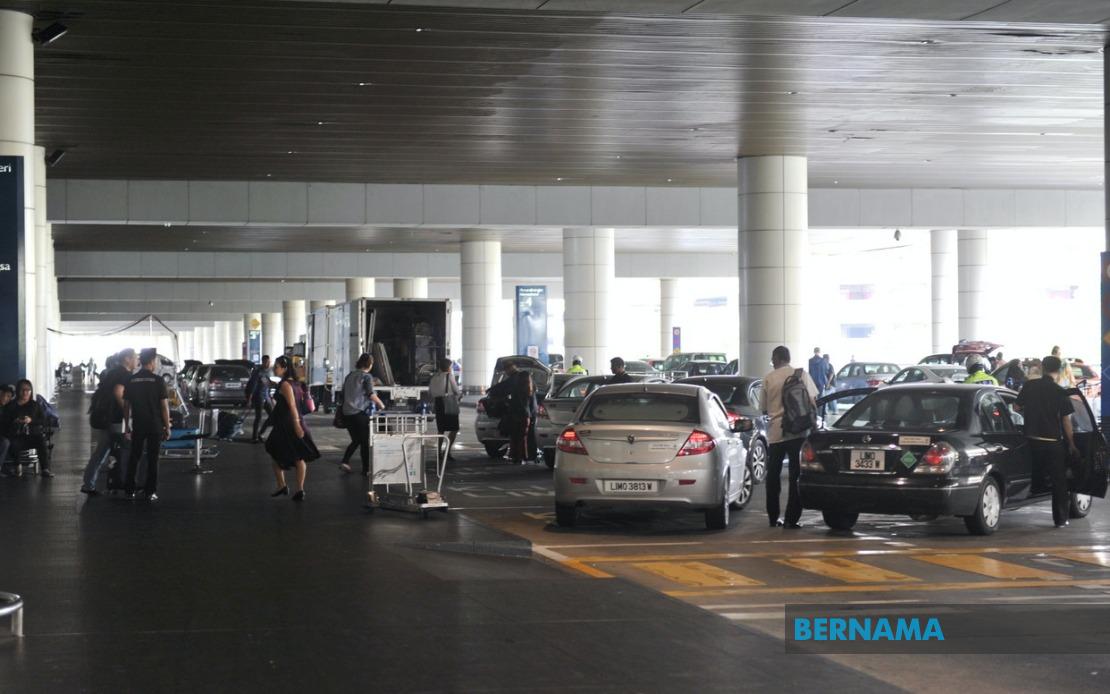
The Road Transport Department (JPJ) is launching a comprehensive crackdown on unlicensed taxi operators at Kuala Lumpur International Airport, deploying significantly more personnel across both terminal facilities to eliminate what authorities term 'ulat' activities—the colloquial term for illegal transport middlemen. Datuk Aedy Fadly Ramli, the department's director-general, announced the initiative during a press conference at KLIA, framing the action as essential to protecting Malaysia's international reputation and safeguarding travellers from exploitative practices by unauthorised service providers.
The enforcement surge represents a direct response to directives from the Ministry of Transport, which has identified airport taxi touts as a persistent problem undermining visitor confidence and damaging the nation's image as a modern transport hub. Currently, the JPJ maintains a skeleton crew of just 17 personnel at KLIA Terminal 1, operating only during daylight hours from 7 am to midnight—a schedule that leaves the airport vulnerable during early morning and late-night periods when international flights typically arrive. Terminal 2 operates without any dedicated JPJ staff presence whatsoever, creating significant gaps in oversight and enforcement capacity.
Beginning next week, the department will implement a complete structural overhaul of its airport operations. The three-shift rotation system will ensure continuous presence throughout the entire 24-hour cycle, with particular attention paid to early morning hours starting at 4 am when flight arrivals create peak demand for ground transportation. This timing is critical, as illegal operators frequently target arriving passengers during transition periods when confusion about legitimate options is highest and vulnerability to misdirection is greatest.
Aedy Fadly has directed Datuk Ahmad Kamarunzaman Mehat, the Selangor JPJ deputy director, to execute immediate recruitment and deployment protocols to station additional personnel permanently at both terminals. Beyond simply increasing headcount, the department plans to position more senior-ranking officers in supervisory roles to enhance operational effectiveness and decision-making authority during enforcement activities. This hierarchical restructuring should enable faster response times and more sophisticated tactical approaches to identifying and apprehending illegal operators.
The persistence of 'ulat' activities reflects a fundamental market failure: legitimate licensed taxis face regulatory constraints, metered fare structures, and operational costs that price many airport travellers toward cheaper alternatives. Illegal operators capitalise on this gap by offering below-market rates while avoiding licensing fees, insurance obligations, and safety compliance requirements. The arrangement leaves passengers exposed to uninsured vehicles, potentially unsafe drivers, and inflated charges imposed after departure when recourse becomes impractical.
Beyond enforcement, the JPJ is pursuing complementary strategies in partnership with Malaysia Airports Holdings Bhd (MAHB) to reshape passenger behaviour through improved communication. Enhanced signage and digital displays at terminal facilities will redirect arriving passengers toward authorised transportation services, reducing information asymmetries that illegal operators exploit. Clear visual guidance distinguishing legitimate from unauthorised operators should reduce the proportion of travellers inadvertently engaging with touts through simple confusion about available options.
The illegal taxi problem carries particular significance for Malaysia's tourism and business travel sectors. International visitors arriving at KLIA form immediate impressions of the country based on their airport experience, and encounters with aggressive or exploitative illegal operators generate negative online reviews that circulate globally through travel forums and rating platforms. The reputational cost extends beyond tourism to foreign direct investment decisions, as business travellers encountering unreliable or unsafe transport may question the competence of Malaysia's regulatory infrastructure more broadly.
For regional comparison, the challenge mirrors difficulties faced across Southeast Asia's major hubs, where rapid air traffic growth has outpaced regulatory capacity. Bangkok's Suvarnabhumi Airport, Singapore's Changi, and Jakarta's Soekarno-Hatta all maintain heightened airport security protocols partly to prevent exactly these kinds of illicit transport activities. Malaysia's response positions the country alongside regional peers in treating airport security as integral to broader economic competitiveness and visitor experience standards.
Aedy Fadly's unambiguous statement that the JPJ will show no tolerance for parties involved in illegal transport services signals a hardened posture against what enforcement officials clearly perceive as a systemic problem rather than isolated violations. The departmental messaging emphasises protection of user interests and national reputation simultaneously, framing enforcement as defensive rather than merely punitive. This rhetorical approach may help build public and political support for sustained resource commitments to airport operations.
The operational challenge ahead involves sustaining momentum beyond the initial deployment phase. Previous enforcement campaigns against airport illegal operators have sometimes faltered as political pressure eases or departmental focus shifts to other priorities. The commitment to permanent stationing at both terminals, combined with hierarchical upgrading of supervisory capacity, suggests this initiative may carry more institutional weight than previous efforts. However, success ultimately depends on whether the JPJ maintains budget allocation and personnel assignments consistent with 24-hour operations across multiple years.
For travellers, the enhanced enforcement should create more predictable and transparent ground transportation options, reducing anxiety about being overcharged or directed to unsafe vehicles. Malaysian citizens and residents familiar with KLIA may notice increased officer presence and more active monitoring in arrival zones and taxi queue areas. The initiative also indirectly supports legitimate licensed taxi operators and ride-sharing services by reducing competition from unregulated providers and creating more level enforcement environments.
The timeline for implementation remains critical. By anchoring the enforcement surge to specific next-week deployment instructions, Aedy Fadly has created measurable accountability parameters. Airport stakeholders, passenger advocacy groups, and media observers will rapidly assess whether the promised personnel actually materialise and whether enforcement activities visibly increase. This public commitment substantially raises reputational costs of failure, which may strengthen institutional follow-through compared to less-publicised operational changes.
Ultimately, the JPJ's initiative reflects recognition that Malaysia's competitive position as a regional transport hub depends partly on the ground-level experience passengers receive upon arrival. Eliminating illegal taxi operators serves both consumer protection and national branding objectives simultaneously, making it a priority that transcends routine transportation regulation. The success or failure of this enforcement campaign will likely influence how both domestic policymakers and international observers assess Malaysia's capacity to maintain operational standards at critical national infrastructure facilities.

