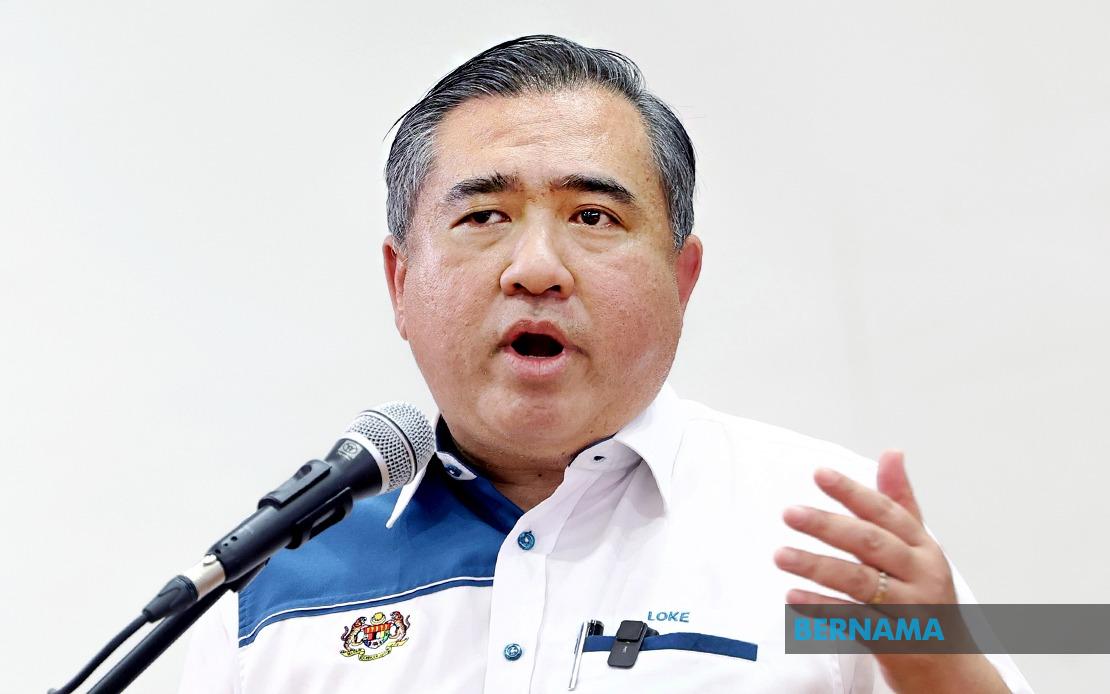
Transport Minister Anthony Loke has ordered the Road Transport Department (JPJ) to take enforcement action against motorcyclists discovered riding without helmets during the ongoing Johor state election campaign, following evidence captured in videos that circulated widely on social media. The ministry's directive applies universally across all political affiliations, including workers and candidates from Pakatan Harapan, the coalition that Loke himself leads as DAP secretary-general.
Loke's stance reflects a principled commitment to impartial law enforcement that has characterised his tenure at the transport portfolio. He emphasised that his position on road safety compliance has remained unwavering over time, pointing to his intervention during the Slim by-election nearly six years ago when he raised similar concerns involving Barisan Nasional leaders who were campaigning from motorcycles. At that time, Loke made clear that political campaigning by motorcycle was not problematic in itself, but that every rider bore a responsibility to wear a helmet and model safe behaviour for the Malaysian public.
The recent incident involved a group of PH campaign workers, including members from the Democratic Action Party, who were photographed and filmed riding motorcycles without helmets during the Johor state election activities. Rather than overlooking the breach because those involved were from his own party and coalition, Loke signalled that the ministry viewed the matter with appropriate seriousness. His response demonstrated a willingness to apply traffic regulations impartially, even when doing so might attract criticism or appear to create internal party complications.
Loke reiterated that Malaysia's road safety legislation operates independently of political considerations or party membership. The laws governing helmet use and other traffic regulations apply equally to all citizens regardless of their political associations or campaign roles. This principle underpins the enforcement action now being undertaken by JPJ, which will proceed on the basis of evidence gathered from the viral videos rather than the political status of those involved. The minister stated explicitly that he would not make exceptions to this standard of enforcement, even if it affected his own campaign associates.
The enforcement push carries particular significance in the Malaysian context, where motorcycle accidents and fatalities represent a persistent public health challenge. Helmets remain one of the most effective protective devices available to riders, and compliance campaigns that connect road safety to political leadership visibility can reinforce public awareness. When political candidates and campaign workers model unsafe behaviour—such as riding without helmets—they undermine official messaging about traffic safety and potentially influence voters, particularly younger demographics, to disregard protective equipment.
The JAP's enforcement action will likely focus on issuing summonses under relevant traffic legislation, with fines applied according to established penalties for helmet violations. The use of video evidence from social media means that identification and prosecution can proceed without requiring on-the-spot traffic stops during campaign activities. This approach allows JPJ to conduct investigations methodically while campaign activities continue, and it avoids the appearance of interference with political events themselves.
Loke's handling of this situation distinguishes his ministry's approach from previous eras when traffic enforcement might have been perceived as selective or politically influenced. By committing to universal application of the law regardless of whether violators belong to the ruling coalition or opposition, he signals that the transport ministry operates according to merit and regulation rather than political convenience. This stance builds public confidence in institutional impartiality, particularly important in transport and safety matters where compliance depends partly on citizens believing that rules apply equally.
The episode also illustrates broader tensions within Malaysian politics around campaign conduct and public behaviour. Election periods frequently see intense activity involving large numbers of party members, vehicles, and crowds, creating numerous opportunities for traffic violations, environmental breaches, and other legal infractions. How political parties and their leaders respond to such incidents—whether by attempting to shield members from accountability or by accepting enforcement—shapes public perceptions of their commitment to rule of law and institutional integrity.
For Pakatan Harapan, swift acceptance of enforcement action provides an opportunity to demonstrate that the coalition supports impartial law enforcement and does not expect special treatment for its members. Conversely, any perception that PH members received lenient treatment or that enforcement was inconsistently applied could undermine the coalition's credibility on governance and anti-corruption platforms. The same logic applies to Barisan Nasional and other political actors who appear in enforcement actions during the campaign period.
The Johor state election itself unfolds against a backdrop of increasing public attention to candidate behaviour and campaign standards. Voters increasingly scrutinise how political leaders conduct themselves during campaign periods, viewing such conduct as indicative of how they will govern if elected. Instances of traffic violations, environmental disregard, or other breaches can influence voter perceptions, particularly among younger and more urbanised constituencies who interact with campaign messages through digital media and social platforms.
JPJ's implementation of the enforcement directive will require coordination between the department's field operations and the ministry's communications function to ensure that actions are documented and reported transparently. Clear communication about the enforcement process helps counter any allegations of selective application and reinforces the principle that road safety applies universally. The department may also use the campaign period to launch broader public awareness initiatives about helmet safety and other traffic compliance matters.
Loke's intervention demonstrates how transport policy intersects with broader questions of governance, leadership accountability, and public safety. By treating the helmet violation incident as a matter for consistent enforcement rather than political discretion, the transport ministry reinforces institutional norms that transcend partisan considerations. This approach contributes to building public institutions capable of functioning impartially regardless of which political coalition holds power, a foundational element of democratic governance and public trust.

