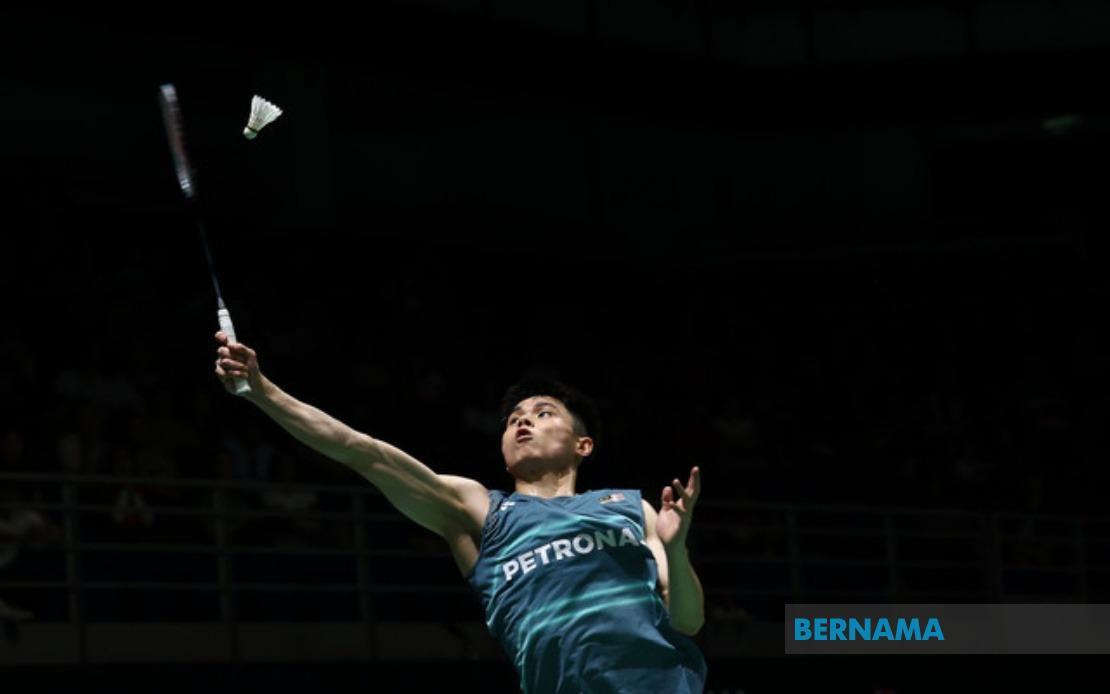
Malaysian men's singles shuttler Justin Hoh is steeling himself for the challenges ahead as he prepares to make his inaugural appearance at the 2026 BWF World Championships in New Delhi from August 17 to 23. The 22-year-old Kuala Lumpur-born player has signalled his readiness to contend with whatever circumstances emerge during the tournament, emphasizing that he prefers to focus his energy on meticulous preparation rather than speculating about potential obstacles. Speaking after training at the Academy Badminton Malaysia here this week, Justin underscored the importance of tactical adaptability in navigating the variables that often characterize badminton tournaments in the subcontinent.
India has become an established venue for major badminton competitions, yet the country's championship sites have occasionally attracted scrutiny from international players and teams concerning operational standards. The India Open earlier this year became the subject of widespread commentary after several unsanitary conditions were documented at the Indira Gandhi Sports Complex, including bird droppings on practice courts and the presence of monkeys within the competition venue. These incidents highlighted broader infrastructure challenges that visiting athletes must sometimes contend with. Justin's acknowledgement of these realities reflects the pragmatic mindset that experienced competitors develop when preparing for tournaments in locations where environmental factors may prove unpredictable.
Drawing upon his track record of competing in Indian venues, Justin has formulated a methodical approach to tournament preparation that extends beyond the conventional technical and tactical dimensions of his game. He emphasized the necessity for visiting players to exercise considerable self-sufficiency, particularly regarding nutrition and sustenance throughout the competition period. By bringing their own food supplies rather than relying entirely on catering arrangements provided by tournament organizers, athletes can mitigate the risk of logistical disruptions or dietary complications that might compromise their performance. This approach, whilst somewhat unconventional, underscores the practical realities that Malaysian and other international shuttlers have learned to navigate through successive campaigns in India.
Justin's perspective on the forthcoming championships reflects cautious optimism balanced with realistic expectations. He expressed confidence that the tournament organizers would implement improvements to venue conditions for the World Championships, recognizing that the prestige and global profile of this quadrennial event typically commands enhanced operational standards compared to other competitions. However, he remained circumspect about the extent of these improvements, acknowledging that conditions at some Indian facilities have historically fallen short of international benchmarks. This measured outlook demonstrates maturity in his approach to the competition and suggests he will not allow uncertainty about external factors to distract from focusing on controllable aspects of his preparation.
On the competitive draw, Justin indicated that the prospect of potentially facing higher-ranked opponents in the opening round would not unsettle him. The ability to maintain composure and performance levels regardless of seeding reflects the psychological resilience that elite athletes must cultivate. For Malaysian badminton, the emergence of younger male singles players capable of competing at World Championship level carries significance, as the nation has historically derived considerable sporting prestige from its shuttlers on the global stage. Justin's willingness to embrace the challenge of competing against top-seeded players suggests confidence in his technical capabilities and match temperament.
The Malaysian men's singles contingent operates within a unique pressure environment shaped by the sport's deeply embedded role in the national sporting consciousness and Malaysia's storied badminton heritage. Public expectations are invariably elevated, and scrutiny of player performance—both positive and critical—constitutes an inescapable aspect of competing at the domestic level. Justin acknowledged this reality whilst framing the attendant pressure as a source of motivation rather than burden. His determination to demonstrate his capabilities despite external commentary reveals a maturity that extends beyond his relatively modest age and suggests he possesses the mental fortitude necessary to navigate the demands of elite international competition.
Regarding his tournament objectives, Justin has deliberately calibrated his ambitions to align with the reality that this represents his first World Championships appearance. Rather than imposing unrealistic medal-winning expectations upon himself, he has chosen to frame the competition as a significant learning opportunity. This measured approach to goal-setting reflects sound sporting psychology, as excessive pressure derived from overly ambitious targets can paradoxically undermine performance. Simultaneously, he has not entirely foreclosed the possibility of medal success, suggesting that his preparation has instilled genuine confidence in his competitive capacity.
For Malaysian badminton enthusiasts and administrators, Justin's emergence as a potential World Championships competitor signifies the continued development of competitive depth in the men's singles discipline. The sport remains central to Malaysia's international sporting identity, and the steady progression of younger players through elite championship stages contributes to the long-term sustainability of the nation's badminton program. His preparation methodology—combining technical refinement with pragmatic adaptation to environmental variables—exemplifies the problem-solving approach that successful modern athletes must increasingly adopt.
The 2026 World Championships in New Delhi will provide the Indian badminton federation with an opportunity to demonstrate improvements in tournament hosting standards, particularly given the international visibility and competitive calibre of the event. For Malaysian representatives like Justin, the competition offers a platform to establish credentials on the global stage whilst contributing to the ongoing narrative of Asian badminton excellence. As the August tournament approaches, his commitment to thorough preparation and flexible adaptation suggests that Malaysian badminton has invested appropriately in developing the next generation of competitive shuttlers capable of representing the nation with distinction at sport's most prestigious championships.

