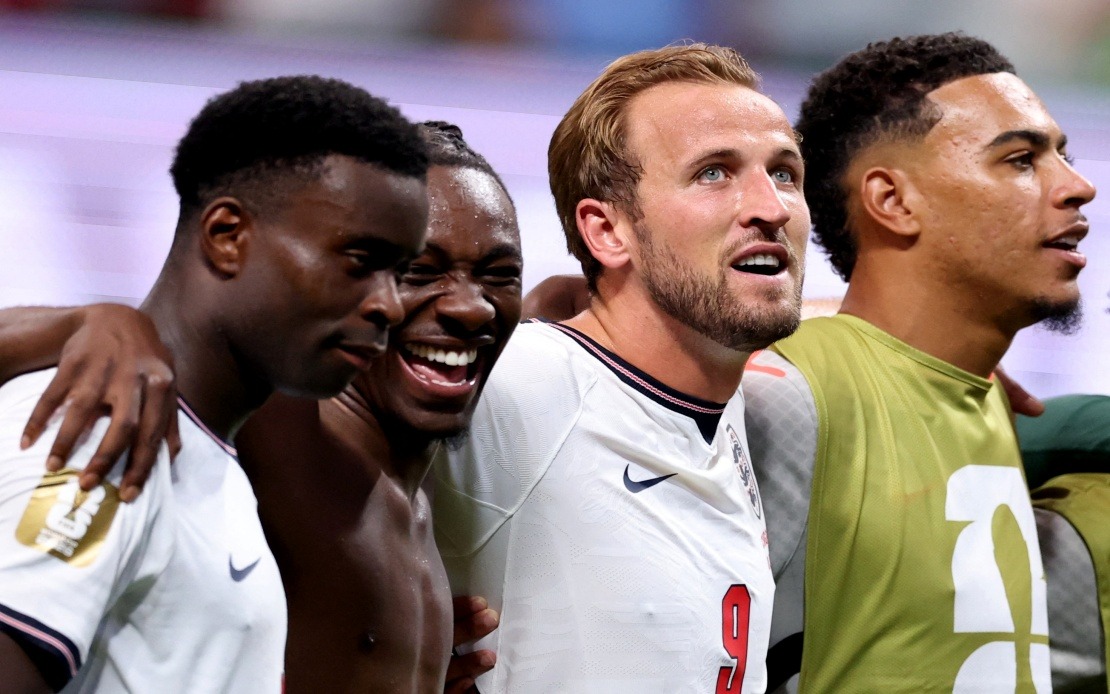
England narrowly avoided a shocking World Cup elimination at the first knockout stage when Harry Kane netted twice in the second half to overturn a deficit and secure a 2-1 victory over the Democratic Republic of Congo in Atlanta. The result was far from the commanding performance expected of Thomas Tuchel's squad, with the African side's early breakthrough from Brian Cipenga threatening to derail England's tournament campaign and trigger memories of past tournament collapses.
The match carried echoes of England's humiliating Euros exit to Iceland a decade earlier, a wound that remains tender in English football consciousness. Wednesday's contest against Congo, competing in their maiden World Cup knockout encounter, presented another scenario where an underdog threatened to exploit defensive frailties and snatch an unlikely upset. For much of the opening period, Congo's gameplan frustrated England's attacking setup, with their inspired goalkeeper Lionel Mpasi making crucial saves and the visiting defence standing firm despite England's perceived technical superiority.
England's struggles were compounded by their own attacking inefficiency during stretches of the first half. Kane himself felt aggrieved at what he believed was a clear penalty denial, a decision that seemed to epitomise the sense that fortune was not favouring the European contingent. The tempo remained uncomfortable for Tuchel's men, and there were moments when Congo threatened to extend their lead, notably when Yoane Wissa struck the woodwork in a chance that underscored the dangers posed by the Democratic Republic's counter-attacking threat.
The psychological impact of conceding early manifested in England's disjointed play and the mounting tension audible from both bench and crowd as the first half progressed. Rather than imposing themselves through controlled possession and superior movement, England found themselves chasing the match and appearing increasingly desperate. This was precisely the scenario that tournament history suggested could unravel quickly if the team failed to regain composure and clinical finishing.
Tuchel's halftime adjustments proved decisive in shifting momentum. The introduction of Anthony Gordon as a substitute proved transformative, with the winger providing the creative spark needed to unlock Congo's defence. Gordon's crossing ability proved particularly troublesome for his opposing full-backs, and his deliveries into the box twice found Kane arriving at the right moment to finish decisively and complete the turnaround.
Kane's double marked a significant historical moment for England, as it represented their first World Cup victory after falling behind since their 1966 triumph, a statistic that underscores how rare successful comebacks have been at this stage of the tournament for the English. The captain's composure and positioning in the box during those closing stages demonstrated the experience and quality that justifies his elevated status within the squad, even if his overall contribution during the match had been limited by Congo's organised defensive structure.
The victory, while ultimately securing progression to the last 16 and a fascinating encounter with co-hosts Mexico at the Azteca, raises fundamental questions about England's capacity to navigate the tournament's later rounds. A performance marked by sluggish transitions, defensive vulnerabilities exposed by relatively modest opposition, and an over-reliance on individual moments of quality rather than cohesive team football suggests significant work remains before any realistic assessment of England's title credentials can be made.
Mexico represents a different calibre of opponent entirely, with the home advantage factor and their own attacking capabilities presenting a formidable test. The manner of this victory—grinding rather than dominant, fortunate in moments rather than comprehensive—suggests that Tuchel's adjustment period at the helm requires continued refinement. Congo's competitive showing and willingness to press England's backline demonstrated that tournament progression cannot be assumed against organised opposition prepared to embrace their underdog status and exploit set opportunities.
For Southeast Asian observers and Malaysian readers following this tournament, the match illustrated how World Cup football increasingly provides opportunities for emerging nations to test themselves against established powerhouses. Congo's performance, while ultimately unsuccessful, showed that preparation, tactical discipline, and individual moments of quality can trouble even the highest-ranked sides. England's path to the final remains open but increasingly appears fraught with potential obstacles, suggesting that the competition remains delicately balanced and vulnerable to further surprises.

