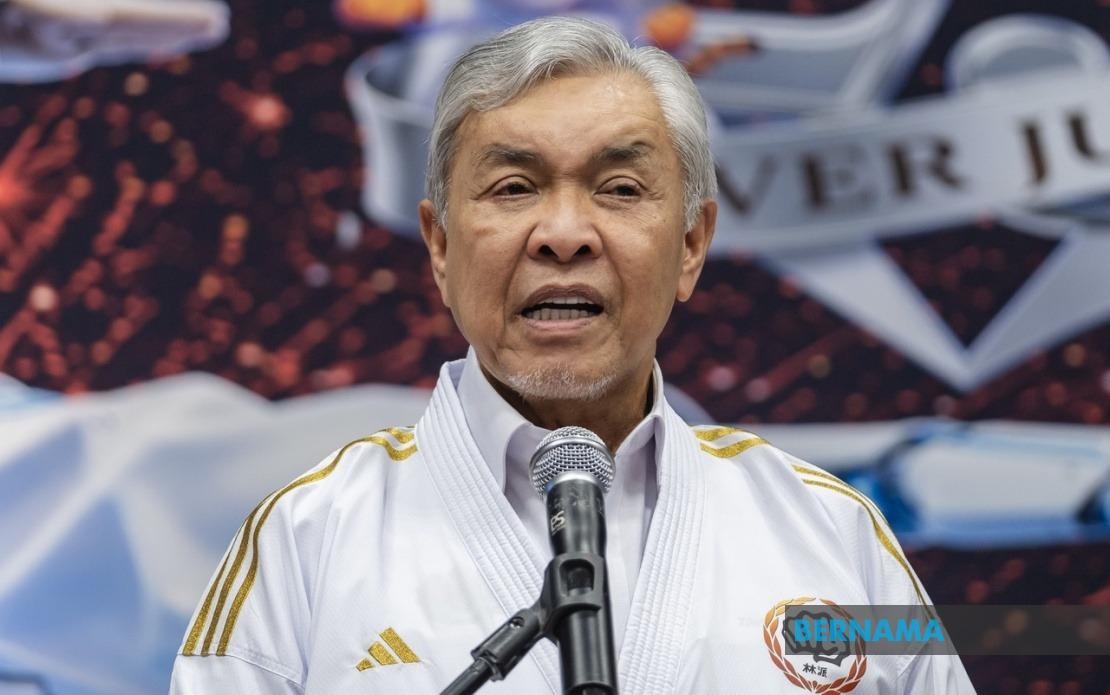
The inclusion of karate within the Malaysian Schools Sports Council (MSSM) competitive framework has moved closer to reality, with Deputy Prime Minister Datuk Seri Dr Ahmad Zahid Hamidi committing to elevate the matter to Cabinet consideration. Speaking at the International Open Karate Championship 2026 in Kuala Lumpur on June 26, Ahmad Zahid, who chairs the Cabinet Committee on Sports Development, outlined plans to formally present the proposal to government leadership within days, working alongside Education Minister Fadhlina Sidek to evaluate karate's suitability for integration into the national school sports calendar.
The timing of this governmental attention reflects growing momentum within Malaysia's karate community to establish formal competitive pathways at the secondary school level. The International Open Karate Championship 2026, now celebrating its quarter-century milestone, demonstrated the sport's expanding footprint, drawing over 1,850 competitors representing 17 nations to Titiwangsa Stadium. The tournament's scale and international reach underscored karate's development trajectory and capacity to engage young athletes across multiple countries, validating arguments for broader institutional recognition domestically.
Putrajaya Karate Association president Datuk P. Thiagu, who oversaw the championship organization, articulated a strategic rationale for MSSM inclusion that extends beyond competitive recognition alone. Thiagu positioned the move as instrumental for cultivating grassroots talent pipelines, arguing that formal integration into school sports frameworks would legitimize karate as a pathway for athlete development and provide structured opportunities for young practitioners to test themselves at sanctioned levels. The association's push reflects a broader pattern within Malaysian sports governance where federation leaders increasingly advocate for formal inclusion in established competitive calendars to secure coaching resources, facilities access, and scholarship pathways.
The prospective MSSM inclusion carries significance for Malaysian karate's institutional maturity. Currently, the sport operates primarily through independent associations and private clubs, lacking the standardized competitive ladder that school-based programs provide. Integration would expose karate to hundreds of thousands of secondary students nationwide, fundamentally altering participation demographics and potentially identifying talent previously beyond the sport's conventional recruitment networks. This democratization of access addresses a persistent challenge in Malaysian sports development: ensuring that athletic potential transcends socioeconomic boundaries and geographic location.
From a Southeast Asian perspective, karate's elevation within Malaysian educational sport frameworks aligns with regional trends toward martial arts integration. Countries including Thailand, Indonesia, and the Philippines maintain established karate or taekwondo programs within national school competitions, creating competitive comparability that benefits athletes seeking international exposure. Malaysia's formalization would strengthen the nation's competitive positioning within regional championships and potentially enhance representation capabilities at continental and Olympic qualifying events.
The Cabinet pathway that Ahmad Zahid outlined represents a deliberate institutional approach rather than ad hoc administrative decision-making. By routing the proposal through the Cabinet Committee on Sports Development and securing the Education Minister's concurrence, stakeholders ensure that resource implications, curriculum coordination, and coaching certification standards receive comprehensive evaluation before implementation. This methodology, while adding procedural timeline, establishes sustainable foundations for program rollout across Malaysia's diverse school systems.
Thiagu's articulation of implementation timelines reveals awareness that transforming policy commitment into operational reality demands sustained advocacy. The Putrajaya Karate Association's framing of the initiative as supporting grassroots development directly addresses government priorities around youth engagement and national talent identification. By emphasizing karate's existing popularity within schools, Thiagu countered potential objections regarding unfamiliar sports and instead portrayed MSSM inclusion as formalizing activity already occurring informally across educational institutions.
The international championship context merits deeper consideration within Malaysia's sports development narrative. Hosting a 25-year-running tournament of this magnitude signals established infrastructure, recognized judging standards, and athlete pathways that extend beyond domestic borders. For policymakers evaluating sports worthiness for school integration, such institutional maturity and international credential provide reassurance regarding program viability and coaching expertise availability. The tournament's continued growth and global participation underscored karate's trajectory as an expanding discipline rather than niche activity.
Education Minister Fadhlina Sidek's pending evaluation will likely focus on practical integration mechanisms: curriculum space allocation, coach certification requirements, facility availability, and alignment with existing MSSM organizational structures. These considerations demand consultation with school administrators, existing sports coordinators, and physical education departments. The consultation process itself becomes opportunity for karate stakeholders to demonstrate institutional readiness and cooperation with educational system requirements.
The broader implications for Malaysian youth sports extend beyond karate's specific case. Successful integration would validate the pathway through which emerging sports gain institutional legitimacy within national frameworks. Currently, numerous disciplines operate on periphery of official recognition despite genuine participation bases and competitive structures. Karate's potential advancement could establish precedent and methodology for evaluating other candidates seeking MSSM inclusion, from climbing and skateboarding to traditional martial disciplines.
Looking forward, Ahmad Zahid's Cabinet presentation timing positions karate for potential inclusion commencing either the subsequent or following academic year, contingent upon administrative preparation timelines. Implementation would require coordinating across multiple stakeholders: school management, state sports councils, karate association officials, and coaching certification bodies. The transition from policy approval to functional school-based programs typically spans several months, encompassing coach recruitment, facility adaptation, and student registration systems establishment.

