The Malaysian Artistes' Association (Karyawan) is preparing to submit a comprehensive set of recommendations to the Prime Minister aimed at revitalizing the country's music sector, building on discussions emerging from the Music Practitioners Convention scheduled for Sunday, June 21. The initiative reflects growing concerns within the industry that structural and policy reforms are essential to ensure sustainable development and fair treatment of musicians and recording artists in Malaysia.
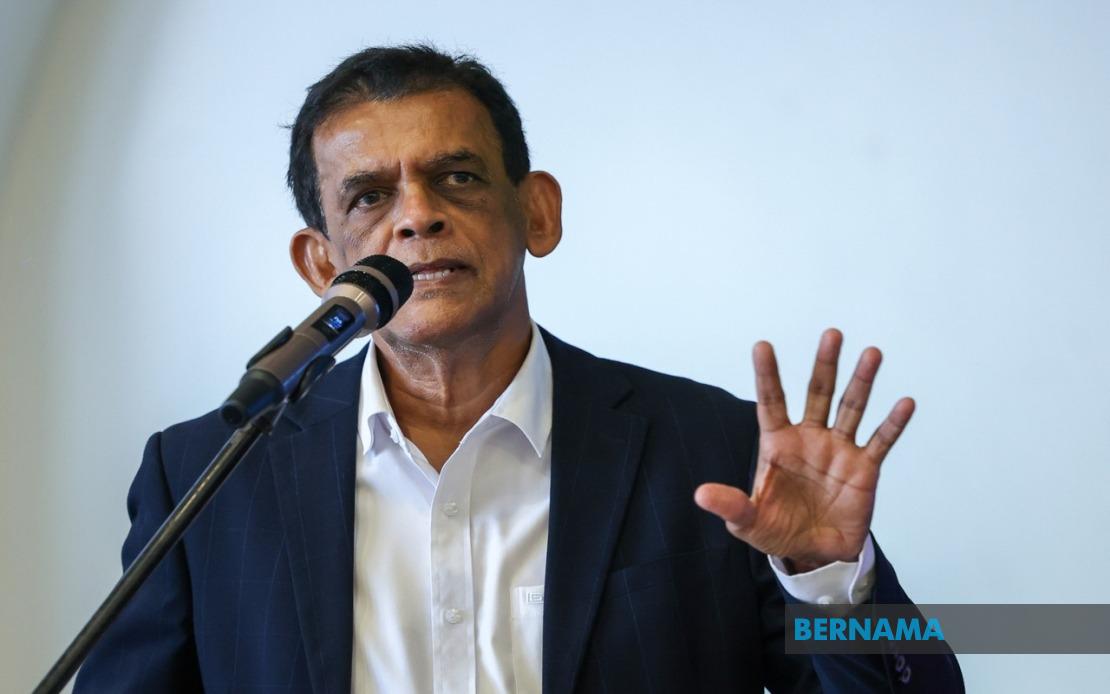
Datuk Freddie Fernandez, who leads Karyawan, outlined the scope of the forthcoming memorandum during a press briefing for the convention being held at Saloma Restaurant in Kuala Lumpur. The association expects more than 200 music professionals, artists, and industry stakeholders to participate in the one-day gathering, providing a representative cross-section of opinions and priorities that will inform the final submission to the Prime Minister's office.
Fernandez articulated a candid assessment of the Malaysian music landscape, noting that two decades of observation have revealed troubling patterns that demand urgent attention. His comments underscored frustration with the status quo and a determination to chart a different course for an industry that has historically struggled to balance commercial interests with artist welfare. The convention itself serves as both a fact-finding mechanism and a collective voice-raising exercise, allowing practitioners scattered across various sectors—from recording to live performance to music education—to articulate shared grievances and aspirations.
The memorandum under development will address multiple interconnected challenges, beginning with mechanisms for strengthening the broader music economy. Artificial intelligence represents a particularly urgent concern requiring careful navigation; industry figures acknowledge technology's potential while seeking safeguards that protect musicians' interests as AI-driven content creation and distribution become increasingly prevalent. Additionally, the association intends to propose concrete pathways for improving music education and creating clearer career trajectories for emerging talent entering the profession.
Royalty distribution stands as perhaps the most contentious issue underpinning current industry dysfunction. Financial data marshalled by Karyawan paints a stark picture: between 2002 and 2017, record companies collected approximately RM700 million from various sources, yet artists' organizations received only about RM20 million for distribution to their members. This dramatic disparity—representing just under three percent of revenue reaching the creators—reveals systemic imbalances that have persisted unchecked for years, effectively subsidizing industry middlemen while leaving recording artists economically marginalized.
Fernandez emphasized that clarifying royalty mechanisms and ensuring transparent, equitable payment flows must constitute a central pillar of any reform agenda. The issue extends beyond mere fairness; inadequate compensation undermines musicians' ability to sustain careers in their chosen field, potentially driving talent toward alternative livelihoods and eroding the industry's creative foundation. Current practitioners and aspiring musicians alike require confidence that their work will generate livelihood-supporting returns, a baseline expectation presently unmet for many recording artists.
The convention's panel composition reflects an intention to ground discussions in diverse expertise and lived experience. Participants will include Joe Lee, a music activist known for championing industry causes; Dr Moja Salim, an accomplished composer offering creative sector perspective; and Para Rajagopal, Live Nation's managing director, representing the international concert and touring industry. This mixing of advocacy, artistic, and commercial viewpoints should generate productive tension and reveal where stakeholder interests converge or diverge.
Beyond immediate financial redistribution, the association is considering whether legislative and regulatory frameworks require overhaul. Current laws governing the music sector may no longer adequately address contemporary realities including streaming economics, digital rights management, and cross-border content distribution—domains that barely existed when existing legislation was drafted. The memorandum may therefore recommend specific statutory amendments or new regulatory instruments designed to modernize governance structures.
Support mechanisms for artists at various career stages constitute another reform domain. Young musicians entering the profession particularly need structured guidance on navigating industry pathways, accessing financing for recording and promotion, securing performing opportunities, and protecting intellectual property rights. Currently, career development appears haphazard and dependent largely on individual initiative and luck, a circumstance that disadvantages aspiring artists lacking industry connections or family resources.
The convention commences at 10 am on Sunday, with Karyawan expecting to synthesize emerging discussions into formal recommendations within approximately one week. This rapid turnaround reflects the urgency Fernandez and colleagues perceive; the industry cannot afford indefinite deliberation while structural problems persist and accumulate. Malaysian musicians, recording artists, and music professionals across the production and performance spectrum have articulated frustrations for years; this convention represents a coordinated attempt to transform those grievances into actionable policy proposals with the potential to reach cabinet-level consideration.
For Malaysian readers invested in the country's cultural industries and soft power projection, the convention's proceedings carry significance beyond the music sector's immediate boundaries. A thriving, fairly-compensated music industry contributes to national cultural identity, generates export revenue, attracts talent and investment, and provides meaningful employment in creative fields. Conversely, an industry characterized by inequitable returns and unclear career pathways risks losing emerging talent to other sectors or encouraging migration of established artists seeking better opportunities abroad—outcomes that diminish Malaysia's cultural standing and creative economy competitiveness regionally.
The initiative also signals shifting power dynamics within Malaysia's music establishment. Rather than accepting incrementalism or waiting for government-initiated reform, Karyawan is seizing agenda-setting authority, framing industry challenges according to practitioners' priorities, and demanding formal high-level engagement with their proposals. This assertiveness reflects both frustration with historical neglect and recognition that coordinated collective action carries greater force than individual artist complaints.