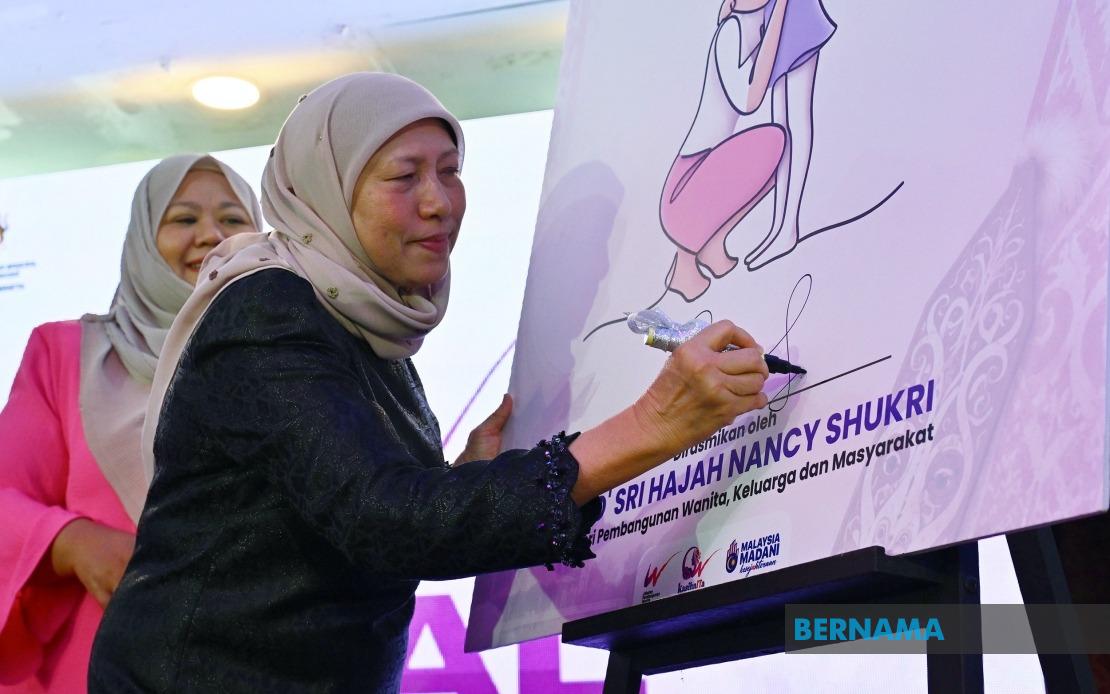
Malaysia's drive to strengthen support systems for single mothers has reached Sarawak with the official rollout of KasihnIta, the Ministry of Women, Family and Community Development's comprehensive assistance initiative. Minister Datuk Seri Nancy Shukri inaugurated the state-level programme on July 19, marking the second major deployment after Selangor, reflecting the government's commitment to expanding welfare reach across the country's distinct regions and demographics.
The KasihnIta programme represents a coordinated government approach to addressing the multifaceted challenges facing single-parent households. Rather than fragmenting support across separate agencies, the initiative consolidates expertise from the Credit Counselling and Debt Management Agency (AKPK), Bank Negara Malaysia, the Legal Aid Department, and the Syariah Judiciary Department under one platform. This integration allows single mothers to access tailored financial guidance, debt management strategies, legal counsel, and information about available government support mechanisms during intensive three-day workshops designed for practical skill-building and community bonding.
Financial literacy emerges as a cornerstone element of the programme's philosophy. Single mothers often juggle competing priorities with limited household income, making strategic financial planning essential to family stability. By equipping participants with knowledge of budgeting, savings strategies, and access to formal financial services, KasihnIta addresses a fundamental gap that many vulnerable households face. The integration of Bank Negara Malaysia's involvement ensures that women gain understanding of formal banking channels, credit management, and consumer protection mechanisms—tools often inaccessible or intimidating to those without prior exposure.
The legal dimension of KasihnIta addresses a persistent pain point within Malaysia's single-mother community: enforcement of child maintenance obligations. When former spouses fail to comply with court-ordered maintenance payments, single mothers often lack the knowledge or resources to pursue legal remedies. By bringing Legal Aid Department and Syariah Judiciary representatives directly to participants, the programme demystifies legal processes and provides clear pathways for women to assert their children's rights. This practical legal support extends beyond information-sharing to active advocacy assistance, ensuring that economic hardship does not translate into abandoned claims for family support.
Minister Nancy's emphasis on gathering first-hand feedback from programme participants reflects an important policy development philosophy. Rather than designing programmes in government offices based on assumptions about beneficiary needs, this approach treats single mothers as experts on their own circumstances. The direct input gathered from the 130 participants at the Sarawak event will inform future policy refinements, potentially shaping new provisions or adjusting existing assistance mechanisms to address gaps that only beneficiaries can clearly articulate. This responsive governance model increases the likelihood that future interventions will genuinely serve their intended purpose.
The psychological and social dimensions of KasihnIta extend beyond material assistance and information provision. Single mothers frequently experience isolation, stigma, and the burden of managing family crises without structured peer support. The programme's group format creates space for participants to share experiences, exchange practical coping strategies, and recognize that their challenges are shared rather than individual failings. This communal aspect strengthens resilience and builds social capital—arguably as valuable as financial counselling for long-term family wellbeing.
The phased rollout approach, moving from Selangor to Sarawak, suggests a deliberate strategy to tailor implementation to regional contexts. Sarawak's demographics, economic structure, and existing support infrastructure differ significantly from Selangor, requiring adaptation of programme components to ensure relevance. This region-by-region deployment also creates manageable administrative burdens for coordinating agencies and allows lessons from earlier implementations to inform subsequent launches, improving overall programme quality.
For Malaysian policymakers, KasihnIta exemplifies the government's intention to move beyond passive welfare provision toward active empowerment. Rather than distributing cash transfers alone, the programme invests in capability-building that enables single mothers to navigate financial systems, understand legal protections, and access services independently. This approach recognizes that sustainable poverty reduction and family stability require both immediate material support and longer-term capacity development.
The inclusion of Syariah Judiciary Department representation merits specific attention within Malaysia's Islamic legal context. For Muslim single mothers navigating matters of custody, inheritance, and maintenance within Islamic family law, having direct access to Syariah judiciary expertise during the programme ensures culturally appropriate guidance. This recognition of Malaysia's plural legal system demonstrates thoughtful programme design that respects the diverse legal frameworks governing Malaysian families.
Looking forward, the expansion of KasihnIta to additional states holds implications for Southeast Asia's approach to single-parent household support. Malaysia's integrated model, combining financial literacy, legal aid, and peer support, provides a template that neighbouring countries grappling with similar demographic shifts and changing family structures might adapt. As regional economies grow and traditional family patterns evolve, governments increasingly recognize that comprehensive, multi-agency responses outperform siloed interventions in supporting vulnerable populations.
The success of KasihnIta will ultimately depend on sustained political commitment and adequate resourcing across the participating agencies. Coordination mechanisms must remain robust, and feedback mechanisms must genuinely influence policy evolution rather than serving purely symbolic purposes. If implemented with genuine buy-in from all stakeholders, the programme could meaningfully improve outcomes for thousands of Malaysian single-mother households while establishing a policy model worth regional attention.

