The quiet threat of microplastic contamination has extended beyond our kitchens and water supplies into the very soil where we grow our food. For Malaysian gardeners increasingly concerned about soil health and environmental degradation, understanding how plastic particles infiltrate garden ecosystems represents a crucial step towards sustainable food production. Microplastics—tiny fragments created when plastic products break down over time—have become ubiquitous in our environment, accumulating in soil, water systems, and ultimately in the plants we consume. By making deliberate choices about the materials we introduce to our gardens, we can actively reduce our contribution to this growing problem while potentially improving the quality of our homegrown produce.
The sources of garden-based microplastics are more diverse than most gardeners realise. Beyond the obvious plastic pots and trays that line nursery shelves, microplastics originate from synthetic fertiliser bags, plastic-coated fabric, degraded garden tools, and even the synthetic fibres in some protective coverings. These materials do not simply disappear; they fragment into increasingly smaller particles that mix into soil, where they can interfere with the delicate balance of beneficial microorganisms essential for plant health. In tropical Southeast Asian climates, where heat and UV exposure accelerate plastic degradation, the problem intensifies. Malaysian gardeners working in consistently warm conditions should be particularly aware that plastic items deteriorate faster here than in temperate regions, releasing microparticles more rapidly into their growing beds.
A practical first step involves reconsidering seed-starting methods. Rather than purchasing conventional plastic seed-starting trays destined for eventual disposal, soil-blocking offers an elegant alternative. This technique employs a metal mould to compress a mixture of compost, peat moss, perlite, and nutrients into freestanding cubes. These blocks provide an unexpected horticultural advantage: they naturally air-prune plant roots. When roots encounter the exposed air at block edges, they cease their tendency to circle and strangle themselves, instead developing denser root systems better prepared for garden transplanting. For gardeners unwilling to adopt soil-blocking methods, biodegradable alternatives exist in the form of coir or composted-manure containers that genuinely decompose rather than persist as environmental contaminants.
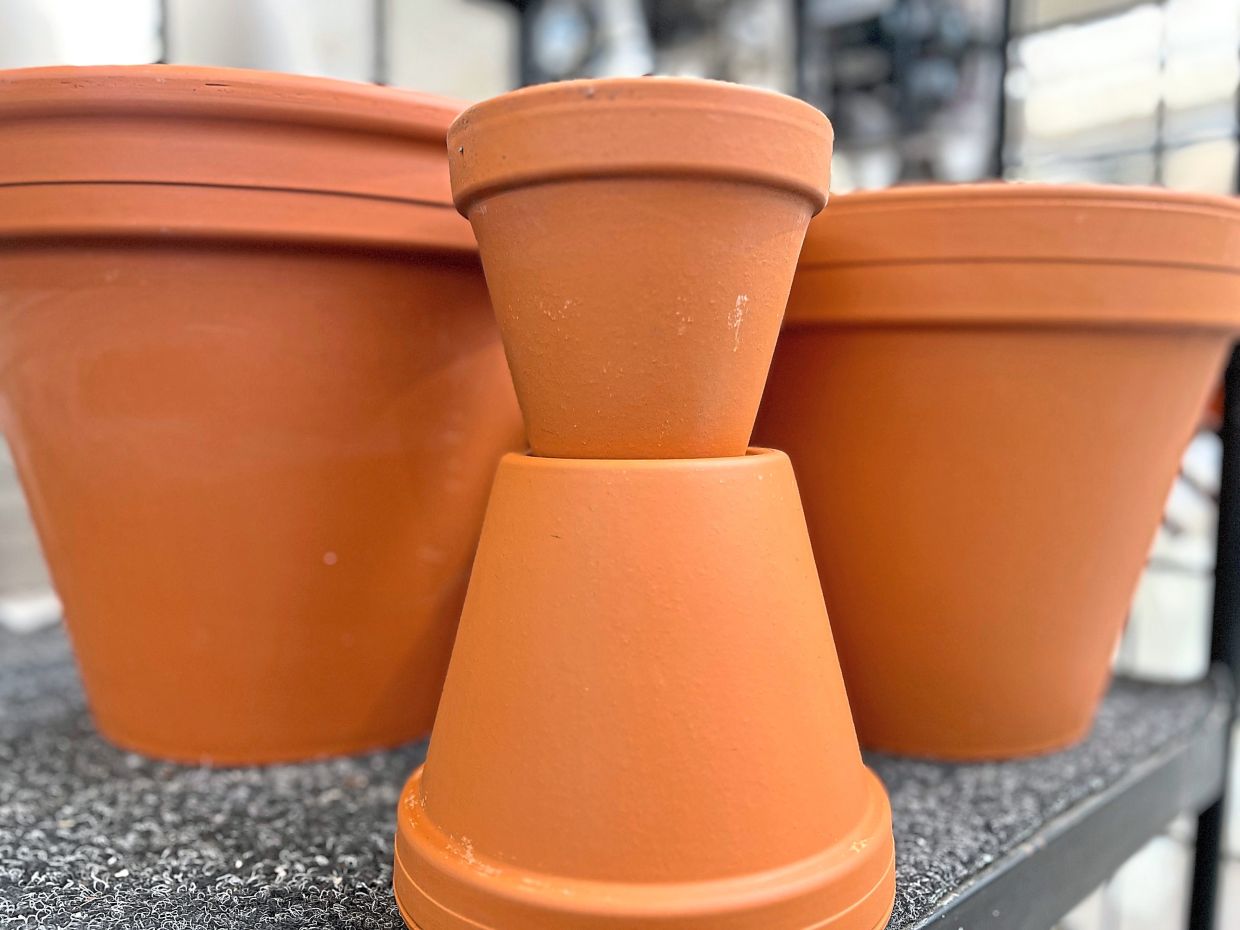
Container selection profoundly impacts both soil contamination and plant success. Terracotta and wooden vessels represent superior alternatives to plastic pots for larger plants, offering longevity and natural degradation pathways. Fabric grow bags, increasingly popular among urban Southeast Asian gardeners with space constraints, provide another viable option when manufactured from natural fibres rather than synthetic polymers. For vegetable gardeners, fabric bags excel at growing root vegetables, herbs, and tomatoes, with specialised potato varieties featuring roll-up access doors that simplify harvesting. Malaysian gardeners should scrutinise product labels carefully, as many imported grow bags default to synthetic materials; seeking locally-produced natural-fibre alternatives supports both environmental and economic sustainability.
Purchasing strategies substantially influence microplastic accumulation over time. Whenever possible, buying bare-root plants—particularly commonplace in Southeast Asian plant markets—eliminates plastic pot waste entirely while reducing transportation weight and environmental impact. This approach aligns naturally with traditional Malaysian horticultural practices where nursery plants have historically been sold without containers. Beyond individual plant acquisition, establishing backyard composting systems reduces dependency on purchased soil amendments while eliminating plastic fertiliser bags. Bulk compost purchasing, ubiquitous in Malaysian cities through established garden suppliers, proves cheaper than bagged alternatives whilst generating significantly less packaging waste.
Garden infrastructure beyond planting vessels requires equally thoughtful material selection. Canvas tarps outperform plastic equivalents in durability and environmental impact, whilst landscape fabric—despite its popularity—should be replaced with natural alternatives. Shredded bark, wood chips, and dry leaves effectively suppress weeds without introducing synthetic particles into soil systems. In fire-prone Malaysian regions, gravel provides the recommended safety alternative whilst avoiding polymer-based barriers. Supporting structures for climbing and vining plants merit similar consideration: bamboo stakes secured with hemp or jute twine represent traditional, effective solutions that many Malaysian gardeners already favour. Even plant markers can utilise wooden popsicle sticks rather than plastic alternatives.
For gardeners unable to eliminate all plastic purchases, strategic selection of durable, multi-year-use items rather than single-use alternatives represents genuine progress. Investing in sturdy seed trays designed for decade-long service cycles differs fundamentally from disposable flimsy versions. This principle of longevity over convenience aligns with sustainable consumption patterns gaining traction among environmentally-conscious Malaysian households. Each incremental reduction in plastic introduction compounds, collectively reshaping garden ecosystems from microplastic repositories into genuinely healthy growing environments.
The implications of widespread microplastic contamination extend beyond individual gardens into Malaysia's broader agricultural and food security landscape. Urban and peri-urban gardening, increasingly important for food self-sufficiency across Malaysian communities, requires protection from cumulative plastic pollution that degrades soil biology essential for productive cultivation. By normalising plastic-free gardening practices now, Malaysian gardeners establish models for sustainable food production that younger generations can adopt and expand. This grassroots environmental action, whilst appearing modest in individual gardens, contributes meaningfully to protecting the soil health upon which regional food systems ultimately depend.

