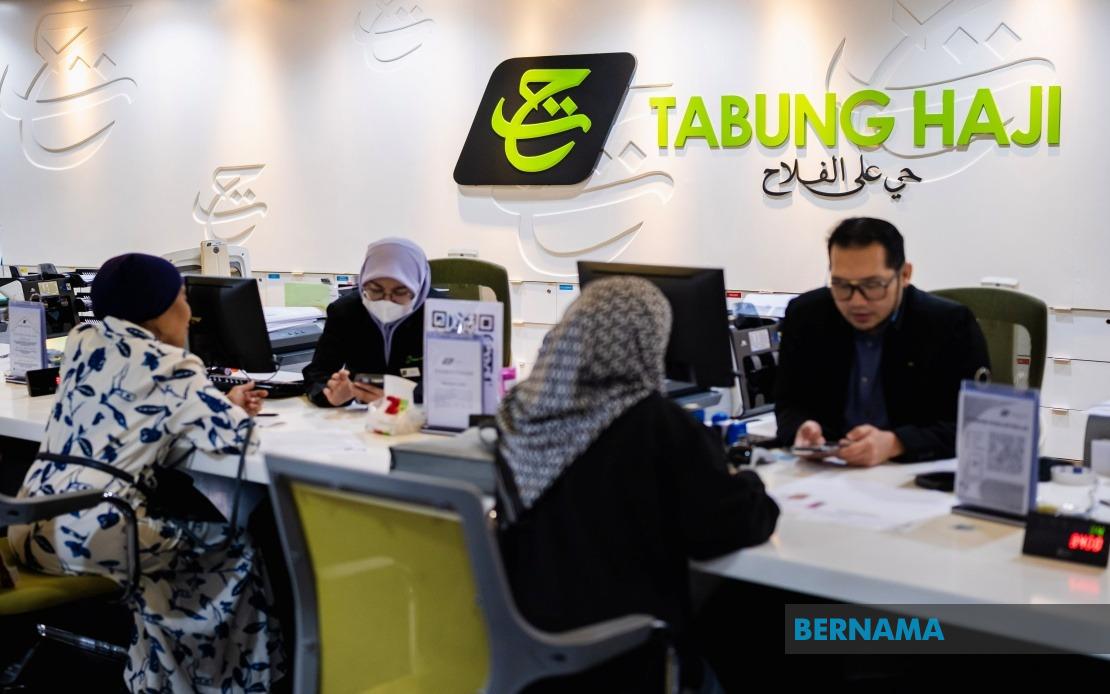
The recovery of Tabung Haji hinges on a fundamental shift: separating the institution from the machinery of politics. With more than three-quarters of the Royal Commission of Inquiry's recommendations now in place, analysts across Malaysia's leading universities and research bodies are unanimous on one point—political interference has been the primary corrosive force eroding both the fund's professional standards and public trust.
The consensus among observers reflects a deeper diagnosis of institutional failure. When politicians exercise control over major financial decisions at Tabung Haji, the result is not merely poor governance but the systematic erosion of investment discipline. The fund's exposure to the Al-Rawda investment in Saudi Arabia, which became its largest single loss, exemplifies this dynamic. The investment proceeded despite incomplete due diligence processes, a decision pattern that would likely be rejected in a truly independent institution. This suggests that political priorities—which may emphasise expansion, visibility, or short-term optics—can override the rigorous risk assessment that professional fund managers would normally demand.
Professor Azmi Hassan from the Nusantara Academy for Strategic Research articulates the core challenge facing Tabung Haji's leadership: the institution has become so thoroughly intertwined with political interests that almost every operational decision carries political overtones, even routine matters. The tabling of RCI findings in parliament itself became a political event rather than a technical update. To restore the confidence of Malaysia's Muslim community—the core constituency that entrusts Tabung Haji with savings earmarked for one of Islam's central obligations—the government must demonstrate through action, not rhetoric, that professionals now drive the fund's strategy.
The comparison to other major Malaysian financial institutions proves instructive. Both the Employees Provident Fund and Permodalan Nasional Berhad have maintained their standing partly because they operate at arm's length from political pressure. Malaysia possesses no shortage of qualified professionals capable of managing Tabung Haji with the competence these institutions display. The obstacle is not capacity but political willingness to relinquish control. This reluctance to delegate authority represents a fundamental governance problem that cannot be solved through regulatory tinkering alone.
Dr Mohd Amim Othman, analysing Tabung Haji's future from an institutional perspective, identifies a secondary but equally pressing challenge: the fund's aging member base faces a participation crisis. Contributions from existing members have declined since the RCI revelations, which threatens the investment pool necessary to generate returns. Attracting younger Malaysians to Tabung Haji membership requires more than restoring institutional credibility, though that remains the prerequisite. The fund must modernise its product offerings, potentially expanding into areas like property investment, to remain relevant to a generation accustomed to diverse financial instruments. This renewal effort cannot succeed, however, if younger Malaysians believe that political patronage rather than professional management determines how their money is invested.
The investment risk blindness that political interference creates extends beyond individual deals to systemic vulnerability. Dr Saizal Pinjaman from Universiti Malaysia Sabah emphasises that when politicians can override or sideline risk management committees, information gaps are not treated as deal-breakers but as minor inconveniences to be managed around. This pattern emerged explicitly in the Al-Rawda case, where completion of proper due diligence was deemed less important than proceeding with an investment that carried political or strategic appeal. The remedy requires genuine board independence coupled with meaningful accountability mechanisms—autonomy without oversight merely shifts the problem rather than solving it.
Restoring public standing demands that Tabung Haji be perceived as serving Malaysian Muslim interests rather than broader political agendas. Dr Noor Nirwandy Mat Noordin argues that the fund should position itself as custodian of a civilisation's values and heritage. This reframing requires transparency in decision-making processes and the willingness to open the fund's analysis to external expert scrutiny. By engaging independent specialists to assess investment opportunities and economic positioning, Tabung Haji can signal its commitment to professional standards and insulate itself from the appearance of political manipulation.
The implementation of the RCI's 75-plus-percent success rate demonstrates that structural reform is achievable when there is political consensus. The remaining recommendations, particularly those addressing ministerial powers and board composition, represent the next essential phase. These changes are not merely technical adjustments but embody a choice: whether Tabung Haji will function as a financial institution serving its depositors or as an extension of government patronage networks. The path toward genuine independence requires political leaders to accept constraints on their authority over the fund in exchange for the restoration of public confidence that institutional autonomy generates.
For Malaysian policymakers, the Tabung Haji situation presents a case study in the long-term costs of institutional capture. Short-term political benefits derived from control over the fund have yielded billion-ringgit losses and damaged the credibility of an institution managing funds held in trust by millions of Muslims. The recovery strategy being implemented must now be protected from the very political pressures that created the crisis in the first place. Whether Malaysia's political system can sustain this necessary discipline over the medium term will determine whether Tabung Haji becomes a model for institutional reform or merely another cautionary tale of political interference undermining governance.

