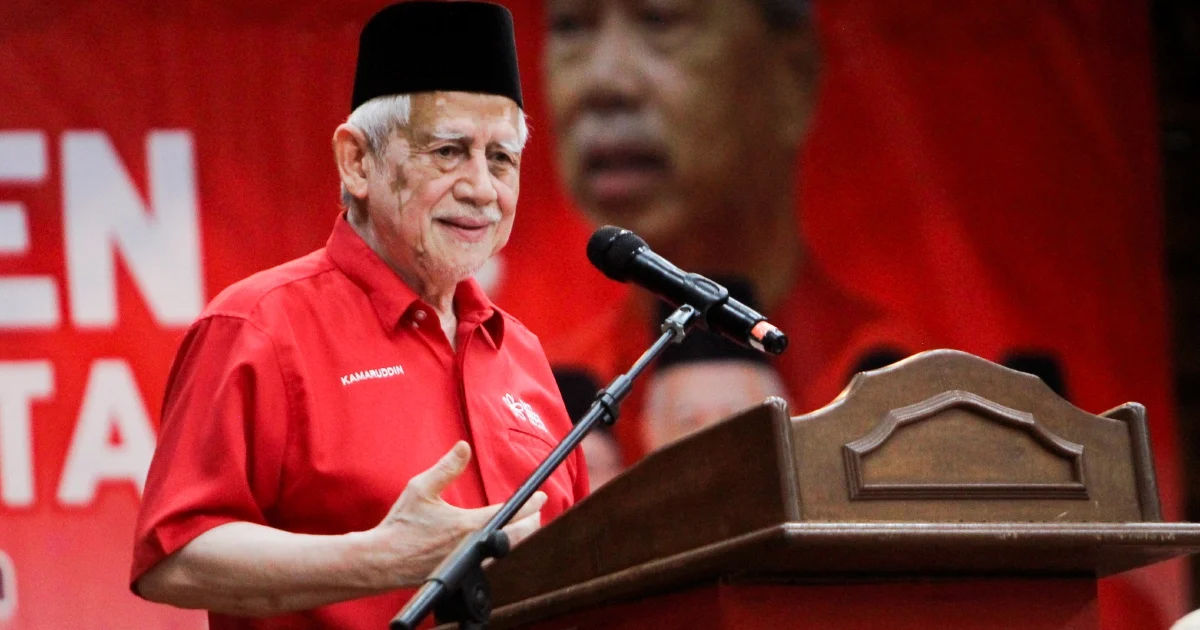
The Kelantan branch of Bersatu has publicly displayed equanimity following Perikatan Nasional's announcement to remove Datuk Seri Mohamed Azmin Ali and Datuk Dr Mohd Radzi Md Jidin from the coalition's leadership configuration. Speaking in Kota Baru, party figures indicated that the move had been anticipated rather than shocking, suggesting internal discussions within the PN alliance had prepared them for this organisational shift.
This personnel adjustment reflects ongoing tensions within the Perikatan Nasional coalition structure, which has faced considerable strain since the 2022 general election. The removal of both men from formal leadership roles signals a significant internal recalibration within the alliance, particularly as it positions itself for future electoral contests. Azmin, who previously held considerable influence within the coalition's decision-making apparatus, has been navigating an increasingly complex political landscape following his moves between multiple political vehicles over the past decade.
The decision carries broader implications for how PN intends to reshape its public-facing leadership and messaging strategy. By stepping back from prominent positions, the coalition appears to be attempting a refresh that may address electoral vulnerabilities exposed in recent state and federal contests. For Kelantan specifically, where Bersatu maintains significant grassroots presence, the leadership restructuring may allow the state division greater autonomy in charting its own political course while remaining formally aligned with the larger coalition framework.
Kelantan's Bersatu leadership has historically maintained a careful balance between pursuing state-level interests and adhering to coalition directives emanating from the federal level. The reported lack of shock at this development suggests that communications channels between the state division and PN's central hierarchy have been functioning adequately, preventing surprises that might destabilise inter-party relations. This institutional maturity stands in contrast to periodic breakdowns in coalition coordination that have occasionally resulted in public disputes and defections.
The broader context involves Bersatu's evolving role within Malaysian politics since its formation as a splinter from UMNO. The party has consistently sought to position itself as a kingmaker capable of determining coalition outcomes, yet it has also faced persistent questions about its ideological coherence and long-term viability. Leadership transitions within allied parties therefore carry heightened significance for Bersatu's own strategic positioning and internal cohesion.
For Malaysian politics more broadly, this development underscores the fragmented nature of opposition politics and the instability that characterises multiparty coalitions in the contemporary electoral environment. PN's decision-making processes, which now exclude Azmin and Radzi from formal leadership, will be closely watched by other coalition partners and by rival political groupings seeking to exploit any perceived weakness or disunity. The manner in which this transition is managed will significantly influence perceptions of PN's capacity to function as a coherent political force.
Radzi, who brought his own political machinery and regional support base to PN's structure, now finds himself sidelined from formal authority positions. This development may create ripple effects within constituencies he previously influenced, potentially opening opportunities for rival factions to consolidate support. Similarly, Azmin's diminished formal status within the coalition hierarchy represents a notable shift for someone who had positioned himself as instrumental to PN's electoral prospects and strategic direction during previous campaigns.
Kelantan's measured response likely reflects an assessment that the changes, while significant, do not fundamentally alter the state division's capacity to operate effectively within coalition arrangements. The Bersatu wing in Kelantan maintains its own institutional infrastructure, grassroots networks, and electoral machinery independent of the national leadership configurations. This structural separation provides the state division with buffers against turbulence at the national level, though sustained instability at the centre could eventually undermine state-level operations.
The timing of this announcement also merits consideration within the broader electoral calendar and political cycle. With various state elections potentially looming and preparations already underway for the next general election cycle, PN appears intent on clarifying its leadership structure ahead of intensive campaigning. This forward-planning suggests confidence that the reorganisation, despite being internally contentious, will ultimately strengthen the coalition's electoral positioning and public appeal.
For observers tracking coalition dynamics in Southeast Asia's most complex multiparty democracy, the Kelantan Bersatu response exemplifies how regional divisions within larger political structures often absorb national-level upheavals with pragmatic stoicism. Their unseeing reaction suggests calculations that preserving coalition unity supersedes any individual leadership preferences, and that state-level party interests are better served through patience and accommodation rather than public protest or organisational defection.

