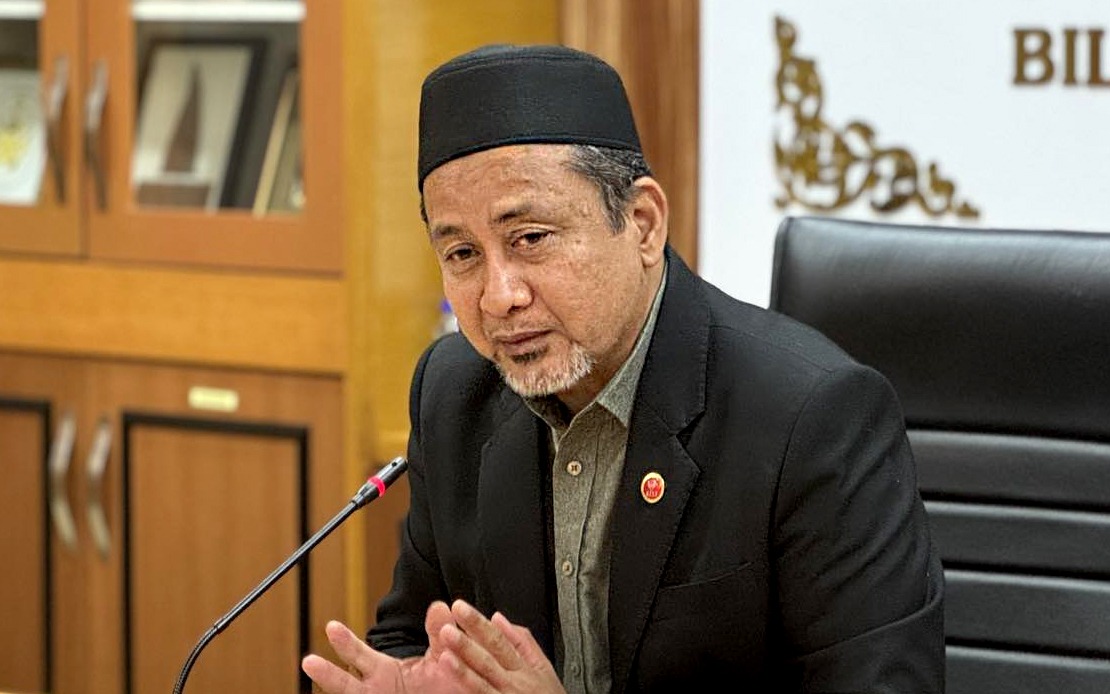
The Kelantan Sports Council has entered into a collaborative arrangement with Yayasan Kelantan Darulnaim (YAKIN) to furnish athletes with education financing options, including loans and scholarship opportunities, as they pursue higher education at Malaysia's public universities. The initiative represents a strategic pivot by the state government toward holistic athlete development, recognising that sustained excellence requires investment in both athletic prowess and academic credentials.
Zamakhshari Muhamad, who chairs the State Youth, Sports, NGOs and Community Unity Committee, framed the programme as an integral component of Kelantan's broader athlete welfare strategy. He emphasised that the state government views education not as secondary to sports achievement but as complementary to it, ensuring young athletes do not face a false choice between competitive sport and academic progression. This dual-pathway approach acknowledges that many elite athletes require financial support to manage the competing demands of training schedules and university coursework.
Under the expanded framework, athletes demonstrating exceptional results in the SPM and STPM examinations will become eligible for academic excellence incentives in addition to their sports-related support. This design element creates direct incentives for scholastic performance and signals to student-athletes that intellectual achievement carries institutional recognition and tangible reward. For Kelantan, which has historically focused resources heavily on sports development, the inclusion of academic merit recognition represents a meaningful shift in priorities.
The sports council's existing support architecture, operationalised through its Special Programme and Imtiyaz scheme, already provides monthly allowances, competition funding, and equipment allocations to selected athletes. These baseline provisions have helped standardise athlete support across the state, yet they do not address the specific barrier of tertiary education financing. The new education loans and scholarships partnership with YAKIN closes a critical gap, enabling athletes to avoid the financial distress that might otherwise force them to abandon university applications or select institutions based on affordability rather than academic fit.
Competition funding and nutritional supplementation remain cornerstone elements of the council's support portfolio. By maintaining these provisions whilst adding education financing options, Kelantan demonstrates a commitment to comprehensive athlete development that extends across training, competition, and post-competitive life planning. This integrated approach contrasts with systems that support only immediate competitive needs, potentially leaving athletes vulnerable when their athletic career concludes.
The programme's welfare component reflects recognition that athletes face unique vulnerabilities. Kelantan's commitment to provide targeted support during natural disasters, accidents, marriage transitions, and bereavement acknowledges that athletic excellence occurs within the context of full lives subject to unpredictable circumstances. This provision suggests a maturation in how the state government conceptualises its obligations to athletes, moving beyond transactional support toward more holistic care.
The initiative's success will depend significantly on coordination across its identified strategic partners, which encompass the National Sports Council, state education and youth departments, and both public and private higher education institutions. This multi-stakeholder architecture distributes implementation responsibility and potentially smooths pathways for athletes entering tertiary institutions, as educational providers become active participants in the support ecosystem rather than passive recipients of applications from athletes.
For Malaysian states observing Kelantan's model, the initiative offers both an example of integrated athlete support and a template that might be adapted to local contexts. Other states managing talented athlete populations face identical challenges: how to sustain excellence across both athletic and academic domains when financial pressures force prioritisation. Kelantan's structured approach to education financing, layered atop existing sports support, provides a replicable framework that other state sports councils might adopt or modify.
The significance of this programme extends beyond individual athlete circumstances into broader questions about meritocratic advancement and opportunity distribution. Athletes who might otherwise lack tertiary qualifications become enabled to pursue degree-level study, which carries implications for their post-sport career prospects and lifetime earning potential. For state governments attempting to develop human capital whilst simultaneously nurturing athletic excellence, education-enabled athlete support serves both objectives simultaneously.
Zamakhshari's stated hope that the expanded facilities will catalyse pursuit of excellence across sports, education, and personal development reflects an understanding that athlete development and broader human development are not disconnected endeavours. By removing financial barriers to tertiary education, Kelantan positions itself to retain talented individuals who might otherwise migrate to states offering superior educational financing. This retention function carries economic and demographic implications beyond the sporting realm.
Implementation of this collaborative framework will require clear communication to potential beneficiaries about application procedures, eligibility criteria, and the relative advantages of loans versus scholarships. The involvement of YAKIN, as a state foundation, provides institutional capacity for programme administration and potentially offers tax incentives or philanthropic motivation that might not exist if the sports council operated independently.
As Malaysian states increasingly compete for talent and resources, comprehensive athlete support systems that integrate education financing represent a competitive advantage in athlete retention and development. Kelantan's initiative signals to young athletes that the state invests seriously in their futures beyond the playing field, a message that carries psychological as well as material significance when athletes evaluate which environments best support their long-term ambitions.

