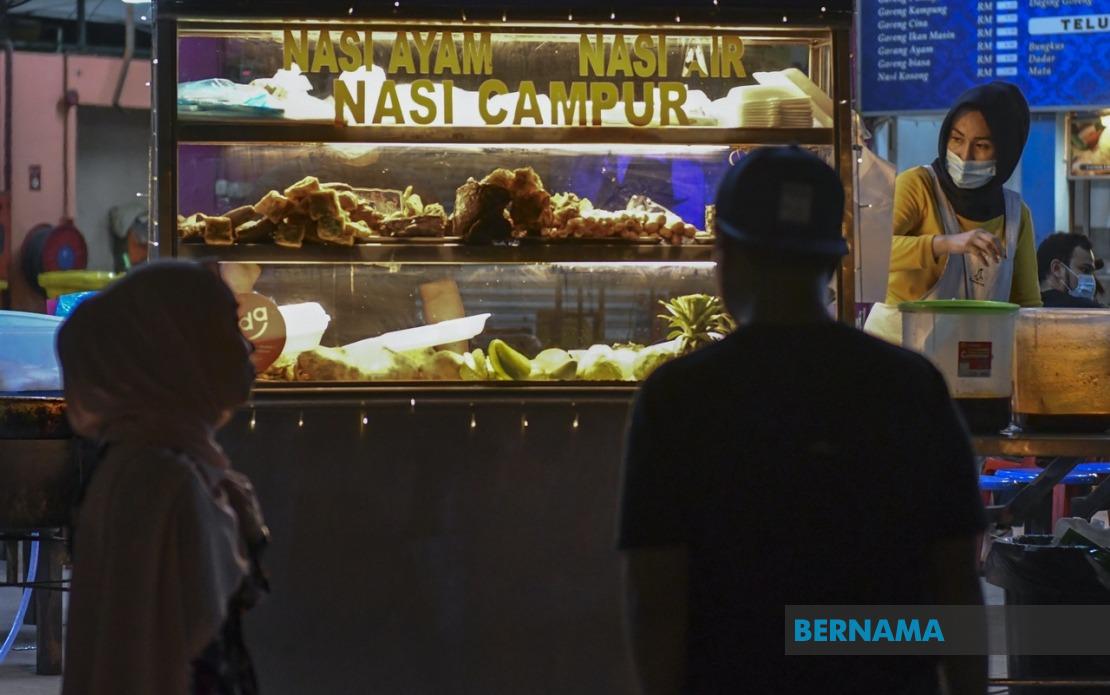
The Kelantan state government has announced plans to strengthen its oversight of food establishments across the state in response to mounting concerns about halal compliance standards. The move comes after allegations circulated widely on social media questioning the halal status of several food premises operated by non-Muslim proprietors that serve Muslim customers, prompting public anxiety about the integrity of halal certification in the region.
Mohd Asri Mat Daud, the chairman of the State Islamic Development, Dakwah, Information and Regional Relations Committee, indicated that authorities will conduct more frequent and rigorous inspections if uncertainties persist regarding whether businesses meet halal requirements. While the state government has not yet received formal complaints through official channels, preliminary investigations are underway to gather substantive information before determining appropriate corrective measures. This cautious approach reflects the need to distinguish between unverified online allegations and documented violations that warrant intervention.
The enforcement authority for halal compliance matters in Kelantan rests with the Kelantan Islamic Religious Affairs Department, and Mohd Asri's office will work in coordination with that department to oversee investigation procedures and implement any necessary follow-up actions. This inter-departmental coordination is essential given the technical and religious dimensions of halal certification, which requires both regulatory expertise and Islamic jurisprudential understanding. The alignment of government agencies signals a commitment to treating these concerns with appropriate seriousness while maintaining proper procedural safeguards.
For Malaysian Muslim consumers, particularly in Kelantan, the halal status of food establishments carries both spiritual and health significance. The emerging controversy touches on a fundamental trust relationship between food operators and the Muslim community. Mohd Asri's public reminder that business operators must not compromise shariah compliance in pursuit of profit margins directly addresses the economic incentive structures that can undermine religious standards. This statement acknowledges a real tension: the temptation for food entrepreneurs to cut corners on halal procedures when regulation is perceived as weak.
The state government is encouraging food premise operators to pursue Malaysia's formal Halal Certification, framing this not merely as a regulatory burden but as a pathway to consumer confidence and business legitimacy. The commitment to process applications within 30 days—contingent on the readiness of the establishment and adherence to prescribed guidelines—aims to reduce bureaucratic friction that might otherwise discourage participation. Such efficiency targets are particularly relevant in a competitive food service market where certification delays could disadvantage operators who wish to comply.
Public vigilance, while sometimes generating misinformation online, can serve an important watchdog function in halal compliance matters. The Facebook disclosure that prompted this episode illustrates how social media transparency can expose gaps in official certification or highlight discrepancies between regulatory approval and actual operational practices. However, Mohd Asri's appeal for the public to exercise greater discernment about the halal status of establishments they patronise suggests a concern that viral allegations—even if partly unfounded—can damage confidence in the entire halal ecosystem.
The Malaysian halal certification system carries significant weight across Southeast Asia, where Malaysia is recognised as a regional and global leader in halal standards development and implementation. Any erosion of public trust in Kelantan's halal integrity could have ripple effects beyond the state, potentially affecting Malaysia's reputation in international halal markets and among Muslim consumers throughout the region. This broader commercial dimension underscores why state authorities are responding decisively to these allegations rather than dismissing them as social media noise.
For non-Muslim food operators serving Muslim customers, the heightened inspection regime presents both a challenge and an opportunity. Those genuinely committed to halal compliance can leverage formal certification as a competitive advantage and a shield against future accusations. Conversely, operators who have been cutting corners now face genuine risk of regulatory scrutiny and potential enforcement action. The state's clear message—that compliance is non-negotiable—should incentivise voluntary adoption of proper halal procedures across the industry.
The Kelantan government's approach reflects broader patterns across Malaysia where state-level authorities are becoming increasingly proactive in protecting halal certification standards. As the number of food premises continues to expand and supply chains grow more complex, the vulnerability of halal assurance systems to lapses or fraud increases correspondingly. Kelantan's decision to intensify monitoring acknowledges this reality and demonstrates administrative responsiveness to legitimate public concerns about food integrity.
Looking forward, the effectiveness of these measures will depend on sustained commitment to enforcement beyond the initial surge of attention following the social media controversy. Building institutional capacity within the Kelantan Islamic Religious Affairs Department to conduct credible, consistent inspections requires ongoing resource allocation and technical training. The state government will also need to balance its enforcement role with constructive engagement with the food industry to ensure that compliance is achieved through partnership rather than adversarial relationships.
For consumers in Kelantan and across Malaysia more broadly, these developments highlight the importance of remaining informed about food establishment certification status while avoiding hasty judgments based on incomplete information. The gap between viral allegations and verified violations can be substantial, and responsible citizenship requires distinguishing between the two. Simultaneously, the government's willingness to investigate concerns seriously and strengthen oversight mechanisms demonstrates that halal integrity remains a priority worthy of official attention and resources.

