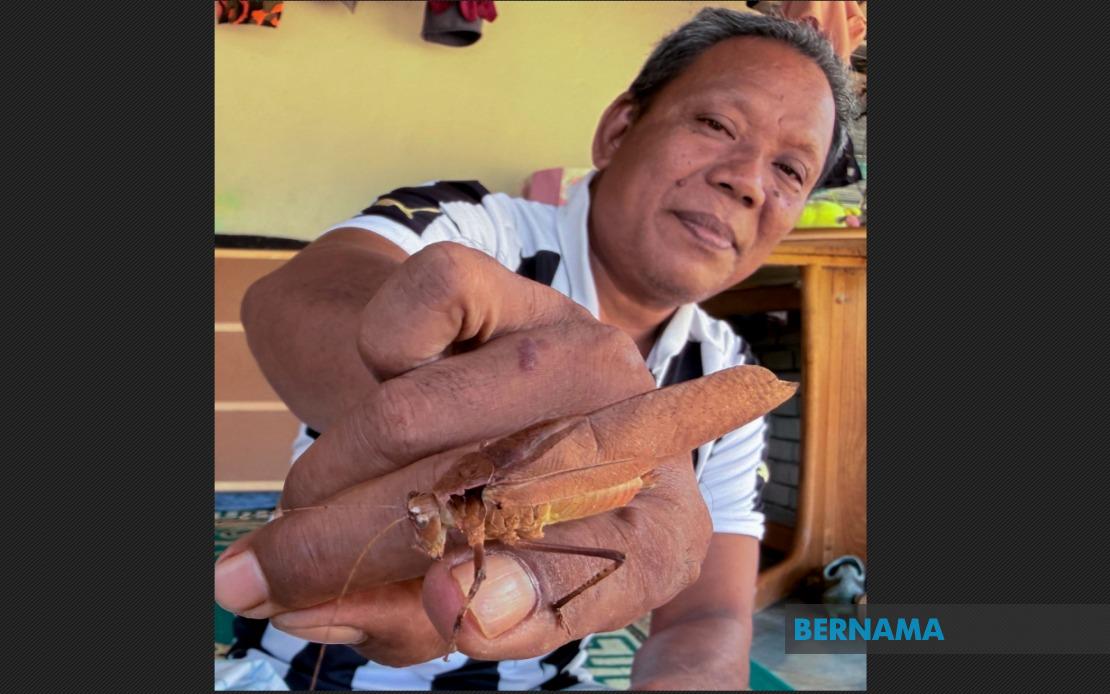
A quiet revolution is sweeping through Kelantan's villages as young people turn their backs on smartphones and screens to embrace belalang kerek, a centuries-old tradition of cricket fighting that demands nothing more than patience, keen hearing, and a passion for nature. In Tanah Merah, a district where agricultural rhythms still govern daily life, competitors of all ages are gathering to pit their carefully reared insects against one another in contests that harken back to pre-digital Malaysia. This resurgence reflects a broader cultural shift, particularly among youth seeking authentic connection and respite from the constant demands of modern technology.
The mechanics of belalang kerek competitions are deceptively simple yet require genuine skill and dedication. Enthusiasts hunt for these grasshoppers primarily during nighttime hours, relying entirely on their ability to identify and locate insects by their distinctive calls rather than visual cues. The hunters move through agricultural fields and dense vegetation, particularly around fan palm groves, where the insects establish their territories. Success depends on trained ears attuned to subtle variations in chirping patterns and intensity. Once captured, competitors invest weeks in carefully rearing their insects, conditioning them for matches through specialized feeding regimens and handling techniques passed down through generations.
Muhammad Sayuti Mat, a 53-year-old veteran competitor from Kampung Manal 3, attributes much of the hobby's current popularity explosion to its remarkable affordability and minimal overhead requirements. Unlike modern recreational pursuits that demand expensive equipment or memberships, belalang kerek requires virtually no financial investment beyond the initial hunt. The insects subsist on simple, readily available vegetation, eliminating costly maintenance expenses. This accessibility proves particularly attractive to young people with limited disposable income, democratizing participation across economic strata and making the tradition genuinely inclusive rather than exclusive to wealthier communities.
The nocturnal hunting experience itself carries profound psychological appeal that transcends simple sport. Muhammad Sayuti explained that the darkness demands heightened sensory engagement, forcing participants to develop acute auditory discrimination skills largely dormant in digitally-dominated lifestyles. The grasshoppers' calls become dramatically louder and sharper after sunset compared to daytime vocalizations, creating an immersive sensory environment that fully commands participants' attention and presence. This enforced mindfulness acts as a counterweight to the fragmented attention spans cultivated by constant device usage.
Rihduan, another passionate participant, eloquently articulated the deeper emotional satisfaction derived from successful competition. The genuine thrill comes not from monetary prizes but from witnessing one's meticulously trained grasshopper triumph in direct combat. This intrinsic motivation represents a fundamental departure from reward structures dominating contemporary consumer culture. The victory carries personal significance rooted in intimate knowledge of one's insect's temperament, strengths, and competitive peculiarities. For Rihduan, the hobby functions as deliberate escape from the relentless pressures of daily existence, providing psychological sanctuary and meaningful engagement with natural processes.
Twenty-three-year-old Aidil Md Noor identified tournament accessibility as another critical factor driving widespread adoption among his generation. Entry fees remain remarkably low, sometimes costing merely RM3 per grasshopper, enabling widespread participation without financial barriers. These minimal costs mean young people can enter multiple competitions or experiment with different insects without significant economic consequences. Coupled with the straightforward dietary requirements of the grasshoppers themselves, this combination removes all practical obstacles to participation. The sport becomes genuinely available to anyone with curiosity and willingness to learn traditional skills.
The revival of belalang kerek in Kelantan carries significance extending beyond simple nostalgia or leisure activity. It represents conscious cultural preservation at a moment when rapid modernization threatens to erase traditional ecological knowledge and community practices. By engaging in this pastime, young people develop intimate familiarity with local insect species, agricultural ecosystems, and seasonal patterns. They absorb practical naturalistic observation skills increasingly uncommon among digital natives. The competitive framework provides social structure and community bonding separate from commercial entertainment venues.
Geographically, Kelantan's agricultural landscape remains particularly conducive to reviving this tradition. The state's extensive paddy fields, coconut plantations, and natural grassland provide abundant habitat for belalang kerek populations. The persistence of rural communities and traditional lifestyles means institutional knowledge and competitive infrastructure remain partially intact, reducing barriers to reintroduction. Established competitors willing to mentor newcomers create pathways for knowledge transmission across generational divides. This combination of ecological suitability and existing cultural continuity distinguishes Kelantan's revival from nostalgic recreation elsewhere.
The broader implications of this trend merit consideration across Southeast Asia. As regional youth increasingly grapple with digital overwhelm and disconnection from natural environments, traditional recreations offer proven antidotes grounded in cultural authenticity. Belalang kerek demonstrates how low-technology pursuits can provide genuine competition, social engagement, and skill development without environmental degradation or commercial exploitation. The tradition requires no infrastructure beyond accessible natural spaces, no technological intermediaries, and no corporate interests determining participation terms.
For Malaysian policymakers and cultural institutions, this grassroots revival suggests underutilized potential for heritage preservation and youth engagement. Minimal investment in documenting competitive practices, facilitating inter-village tournaments, or establishing mentorship programs could substantially amplify existing momentum. Schools might incorporate traditional insect knowledge into biology curricula, legitimizing the pastime while enriching environmental education. Such initiatives would reinforce cultural continuity while offering genuine alternatives to sedentary digital consumption.
The sustainability of belalang kerek's resurgence ultimately depends on continued cultural transmission and community enthusiasm. As more young people discover the sport's inherent rewards and social dimensions, competitive networks strengthen and institutional knowledge deepens. Tournaments attract participants from multiple villages, creating regional communities united by shared passion. Social media, despite its general role in digital distraction, paradoxically facilitates coordination and information sharing among geographically dispersed enthusiasts who might otherwise remain isolated.
What emerges from Kelantan's cricket fighting revival is a powerful countercurrent to technological determinism. Young people are making deliberate choices to invest time and attention in practices their grandparents understood intimately. They are discovering that meaningful engagement, community belonging, and genuine achievement need not depend on screens, applications, or commercial platforms. In an era of pervasive connectivity generating widespread alienation, belalang kerek offers something increasingly precious: authentic connection to nature, community, cultural heritage, and oneself.

