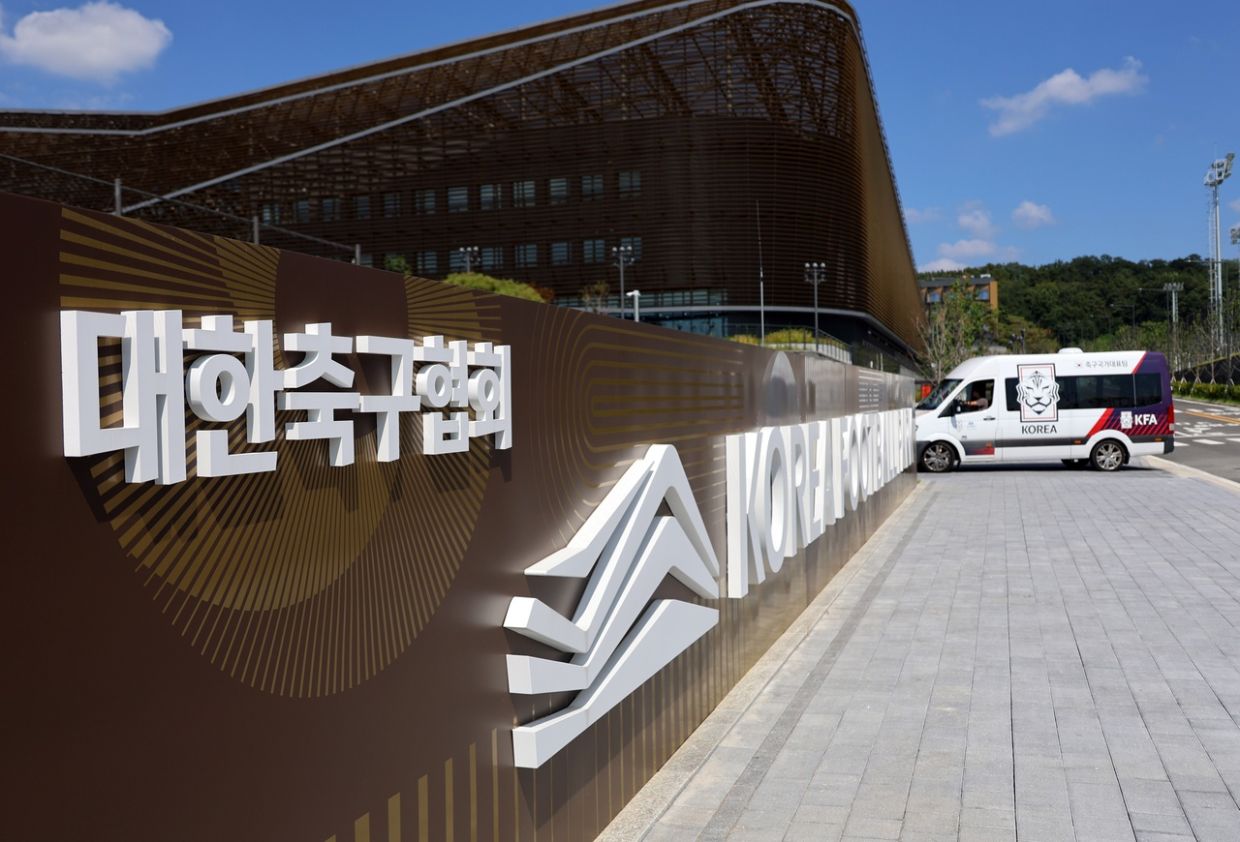
A widening corruption scandal at the Korea Football Association has now crossed borders, with Japanese authorities launching their own investigation into alleged sexual misconduct that could damage the credibility of international football governance. The Japan Football Association confirmed it is examining four Japanese referees reportedly among those who received improper benefits in a scheme that emerged from a decade-old audit, signalling that the controversy extends well beyond South Korea's domestic football establishment.
The controversy traces to a 2016 governmental audit that was only recently made public through a television investigation. According to the Ministry of Culture, Sports and Tourism's findings, the KFA utilised corporate credit cards on multiple occasions between March 2011 and March 2012 to finance entertainment at massage parlours for approximately ten foreign officials, including referees and match commissioners. These individuals were reportedly connected to seven football matches held in South Korea—three competitions involving World Cup and Olympic qualification and four friendly internationals. The scale of the alleged misconduct raises fundamental questions about whether the association systematically attempted to influence match outcomes during a critical period for Korean football's international standing.
The South Korean national team's record during this contested period—five wins, two draws, and no losses—has inevitably sparked speculation that results may have been deliberately affected. However, authorities and the KFA itself have consistently denied such implications, maintaining that the financial expenditures should not be interpreted as indicators of match-fixing. This distinction matters considerably, yet it does little to ameliorate the perception of impropriety surrounding an association that held responsibility for maintaining ethical standards in the sport. The ambiguity has created space for international concern about the integrity of matches that held genuine significance for multiple nations' qualifying campaigns.
The Japanese investigation represents a critical escalation because it demonstrates that the scandal's reach encompasses football associations beyond Korea, implicating referees from a major Asian football power. The JFA has committed to releasing findings once its inquiry concludes, though the identity of two of the four Japanese officials has already circulated through Japanese media outlets. One of these individuals now occupies a senior administrative role overseeing J-League officials, while another participated in a four-member Japanese refereeing crew for South Korea's 2012 World Cup qualifier victory against Kuwait—a match specifically mentioned in the audit as involving alleged entertainment arrangements for referees.
Yet complications arise in establishing culpability. Japanese commentators have appropriately cautioned that simply officiating a match does not necessarily confirm that any individual referee personally received the improper benefits in question. This legal and ethical distinction is crucial, as it acknowledges that individuals may have been implicated in association records without necessarily having participated in or consented to any misconduct. Nevertheless, the optics of the situation, combined with the administrative positions now held by some named officials, create perception challenges for the JFA and the broader Asian football community.
The KFA issued a public apology on Saturday, acknowledging the scandal's damage to the organisation's reputation and pledging comprehensive reforms. The statement, released amid escalating scrutiny including parliamentary oversight hearings and a police raid on association offices tied to a separate governance controversy involving the 2024 hiring of former national coach Hong Myung-bo, represented an acknowledgment that the organisation faced multiple credibility crises simultaneously. The KFA declared it did not condone the historical conduct and committed to restoring transparency and institutional integrity, though such promises carry limited immediate weight given the breadth of institutional failures exposed.
International football's regulatory framework may limit potential disciplinary consequences. FIFA's ethics code typically establishes a statute of limitations between five and ten years for most violations, which would theoretically place conduct from 2011-2012 outside the scope of formal sanctions. However, allegations involving sexual abuse or exploitation fall into an exceptional category with no temporal restrictions. Lawyers and observers remain uncertain whether the facts as presented would qualify for this exception, and most referees mentioned in the audit have since retired from active duty, further complicating enforcement procedures. International Business Times UK raised the prospect of FIFA sanctions and structural governance reforms, but institutional analysts suggest that formal international discipline is unlikely given these jurisdictional and temporal constraints.
A related criminal investigation by South Korean authorities had previously concluded without charges due to insufficient evidence, indicating that even domestic prosecutors found challenges in establishing legally actionable misconduct. This creates an unusual situation wherein the institutional scandal is real and acknowledged, yet the path toward meaningful international accountability remains unclear. The absence of severe external consequences may itself present reputational dangers, as it could suggest that FIFA's disciplinary mechanisms lack capacity to address governance failures that extend across national borders.
For Malaysia and Southeast Asian football communities, the scandal underscores vulnerabilities in regional football governance structures. The Korea case demonstrates how systematic institutional failures can persist for years before exposure, raising questions about oversight mechanisms across the Association of Southeast Asian Football Federations network. The involvement of multiple national associations in what appears to be coordinated misconduct also highlights the challenges of maintaining administrative integrity when international competition creates incentive structures that reward results over principle. As Asian football continues gaining commercial importance and competitive intensity, the credibility of refereeing and administrative systems becomes increasingly central to the sport's legitimacy.

