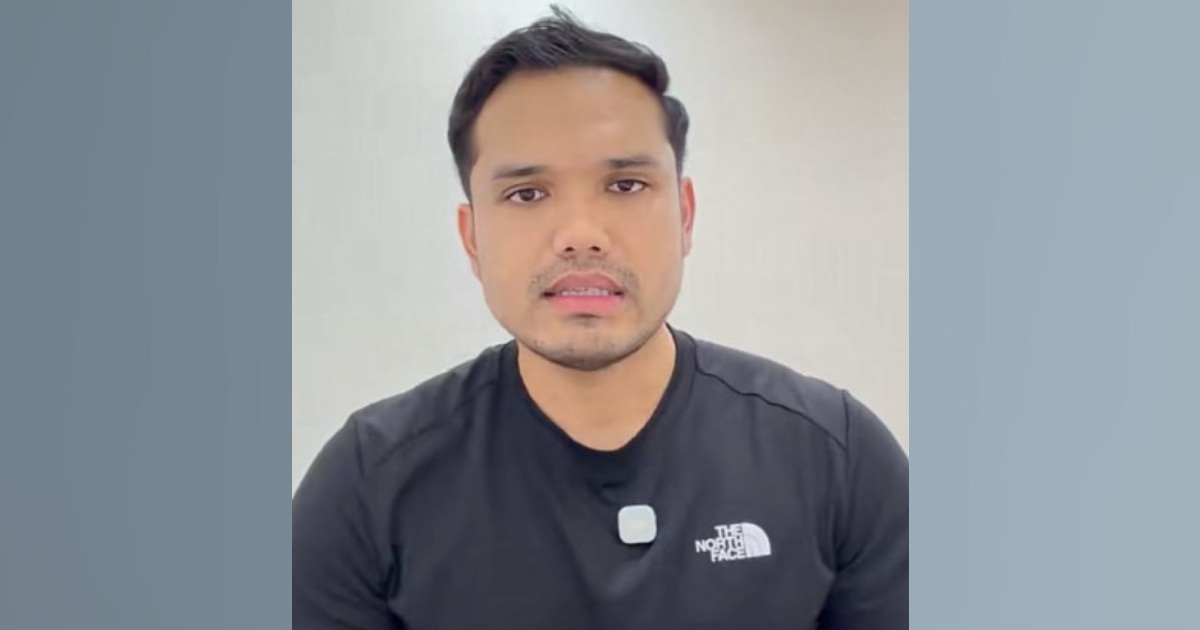
Malaysian entertainment personality and entrepreneur Khairul Aming has revealed his discomfort following the unauthorised disclosure of his private telephone account information on social media platforms. The incident marks another troubling episode in an ongoing pattern of data breaches affecting public figures in the region, raising urgent questions about the adequacy of existing privacy safeguards and digital security protocols.
The leaked material, which reportedly included billing details associated with Khairul Aming's personal mobile account, emerged without authorisation from any party directly connected to him. The revelation prompted the influencer to speak publicly about the violation, underscoring his frustration at having intimate financial information exposed to scrutiny by unknown parties online. Such breaches typically expose sensitive information that criminals and malicious actors can exploit for fraudulent purposes or identity theft schemes.
Khairul Aming's experience exemplifies the vulnerability faced by high-profile individuals in the digital age, where cybersecurity lapses at telecommunications companies, data brokers, or third-party service providers can result in catastrophic personal information leaks. The incident occurred without any apparent security warning from his mobile service provider, suggesting potential gaps in notification protocols that telecommunications firms operating in Malaysia should maintain when customer data is compromised.
The disclosure of phone billing records represents a particularly invasive category of data breach, as such documents often contain subscriber names, contact numbers, service plans, payment histories, and sometimes location information derived from tower data. This combination of details enables sophisticated forms of fraud, phishing campaigns, and targeted harassment. For celebrities and public figures, such leaks create additional risks related to personal security and targeted approaches by unwanted third parties seeking to exploit their prominence.
The incident throws renewed spotlight on Malaysia's data protection framework, particularly the Personal Data Protection Act and its enforcement mechanisms. While the legislation provides regulatory structures for how organisations should handle personal information, compliance gaps and enforcement challenges persist across multiple sectors. Malaysian consumers have increasingly expressed frustration about the frequency of data breaches affecting banks, government agencies, and telecommunications companies, yet perpetrators often face limited accountability or consequences.
Industry observers note that telecommunications providers in Malaysia should implement heightened verification procedures before granting access to customer account information, whether to support staff, system administrators, or external parties. The leak suggests either insufficiently restrictive access controls, compromised employee credentials, or vulnerabilities in the systems that store and transmit billing information. Any of these scenarios indicates systemic weaknesses that require immediate remediation across the telecommunications sector.
Khairul Aming's decision to speak publicly about the breach carries significance beyond his individual situation. When prominent figures acknowledge such incidents, they amplify awareness among ordinary Malaysians about the scope of digital privacy risks, potentially encouraging greater vigilance regarding personal information protection. His disclosure may also prompt regulatory scrutiny of the involved service provider and broader industry practices, contributing to the broader conversation about strengthening Malaysia's cybersecurity posture.
The incident also reflects global trends in data security challenges facing the telecommunications industry worldwide. Recent years have witnessed numerous high-profile breaches at major carriers across Asia, affecting millions of customers simultaneously. These recurring incidents suggest that despite investment in security infrastructure, telecommunications firms continue struggling with maintaining robust protections against unauthorised access and data exfiltration attempts.
For Malaysian consumers concerned about protecting their information, specialists recommend requesting clear information from service providers regarding how personal data is secured, who has access to billing accounts, and what notification procedures exist if breaches occur. Additionally, consumers should monitor their phone bills regularly for unauthorised charges or unusual activity patterns that might indicate compromised account credentials. Enabling additional authentication layers on online account management portals provides another important protective measure.
The breach also underscores the importance of Malaysia strengthening its digital infrastructure governance and holding telecommunications providers accountable for security lapses. Regulatory bodies should consider implementing mandatory breach notification timelines, substantial penalties for non-compliance with security standards, and requirements for compensation when negligence enables data theft. Such measures might incentivise greater investment in cybersecurity across the telecommunications sector.
Khairul Aming's experience serves as a cautionary reminder that digital privacy remains a significant concern for Malaysians across all economic and social strata. While celebrities receive particular attention when breached, millions of ordinary users face similar vulnerabilities daily. The incident underscores the necessity for comprehensive national strategies addressing cybersecurity awareness, regulatory enforcement, and technological safeguards that protect all Malaysians' personal information from unauthorised exposure.

