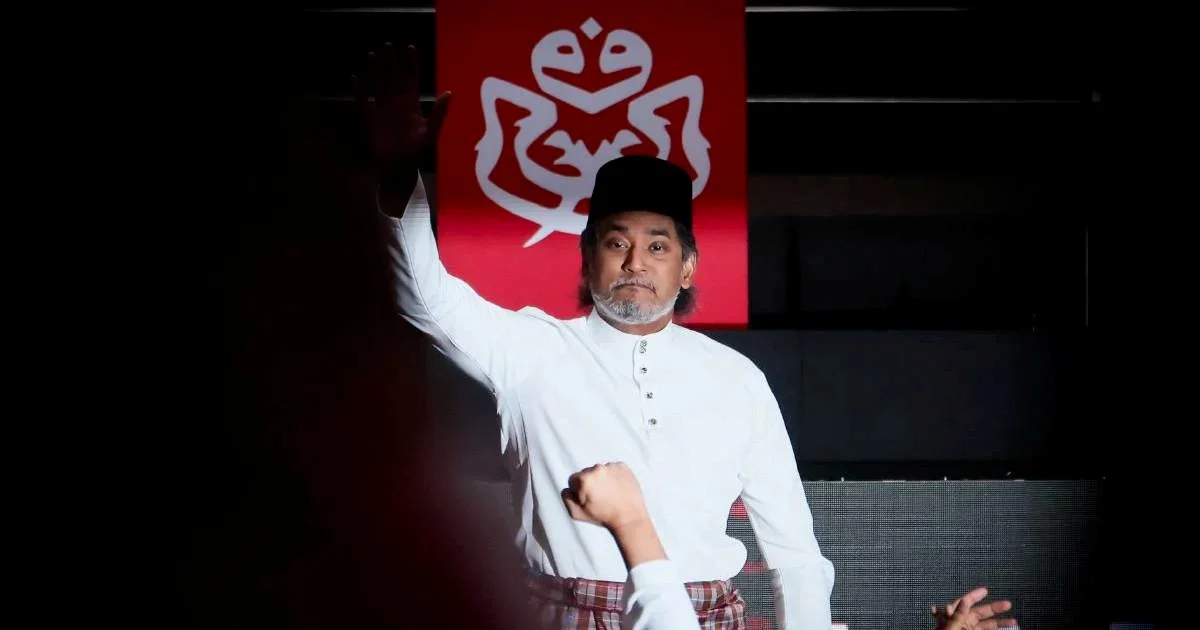
Khairy Jamaluddin, the former member of parliament for Rembau, has declined to unilaterally determine his participation in the upcoming Negri Sembilan state election scheduled for August 1, instead placing the matter squarely in the court of Umno's party leadership to make the final determination. The move represents a measured political posture from the veteran politician, who has maintained considerable influence within Umno's ranks despite losing his parliamentary seat in recent electoral contests.
The August 1 state election looms as a significant test for Umno's organisational strength in Negri Sembilan, a state where the party has traditionally held considerable sway but faces mounting pressure from competing coalitions. The timing of Khairy's statement comes as Umno begins the delicate process of finalising its slate of candidates across the state's constituencies, a process that invariably involves negotiations between regional party chapters and the central command structure. By deferring the decision to party leadership, Khairy has avoided the optics of appearing self-seeking or presumptuous about his own political fortunes.
Khairy's parliamentary career ended when he failed to retain the Rembau seat, a development that shifted his political calculations and forced a reassessment of his position within the party hierarchy. The loss raised questions about his electoral viability in his home state, though his standing within Umno's intellectual and policy-making circles remained comparatively robust. His willingness to accept the party's determination on his candidacy signals either confidence in the leadership's assessment of his value to the electoral campaign, or a pragmatic acknowledgement that his influence may be better deployed in alternative capacities.
The Negri Sembilan state election represents a test case for Umno's capacity to recover electoral ground and consolidate its position ahead of the federal election cycle. The state has emerged as a critical battleground where Umno must demonstrate resilience, particularly given the shifting political alignments that have characterised Malaysian politics in recent years. Leadership decisions about candidate selection carry substantial weight, as they signal priorities regarding campaign direction and the types of candidates the party believes will resonate with voters.
For Malaysian political observers, the broader significance of Khairy's deferential stance extends beyond a single candidacy. It reflects the current power dynamics within Umno, where the central leadership maintains considerable authority over candidate selection despite pressures for greater grassroots democratisation. The party has consistently prioritised maintaining control over nomination processes to ensure strategic candidate placement, particularly in competitive constituencies where the margin between victory and defeat remains razor-thin.
Khairy's political trajectory over the past decade has been marked by considerable volatility. Once positioned as a potential successor to senior leadership positions, his political stock has fluctuated with electoral performance and shifts in intra-party factional alignments. His decision to defer to party leadership on the Negri Sembilan candidacy appears calibrated to preserve his standing while acknowledging the supremacy of collective party decision-making structures. This approach allows him to remain available for deployment without appearing to lobby aggressively for a particular role.
The composition of Umno's candidate list for Negri Sembilan will send important signals about the party's strategic priorities and its assessment of which politicians retain genuine electoral appeal. Decisions about candidate placement often reflect subtle calculations regarding factional balance within the party, senior leaders' policy preferences, and assessments of voter sentiment in specific constituencies. Khairy's involvement in these considerations would depend substantially on what leadership determines regarding the utility of his candidacy.
Negri Sembilan's political landscape has undergone significant transformation in recent election cycles, with voters demonstrating a willingness to shift allegiances when they perceive governance performance or policy direction as unsatisfactory. This volatility means that candidate selection assumes heightened importance, as individual politicians' reputations and perceived commitment to constituent welfare can substantially influence electoral margins. The state election will provide crucial data about voter preferences ahead of the federal election cycle.
Umno's leadership structure currently faces its own internal pressures and competing demands from various party factions seeking to advance preferred candidates and political agendas. The August 1 election provides an opportunity to demonstrate unity and coherence around a shared electoral platform. Khairy's deferential approach to the candidacy question fits within this broader dynamic, potentially allowing party leadership to allocate him to roles where he can contribute most effectively to the overall campaign effort.
The August 1 election results will carry implications extending well beyond Negri Sembilan's state assembly, influencing broader calculations about Umno's electoral prospects and the viability of its political strategy. Decisions regarding candidate selection will prove crucial to determining whether Umno can effectively compete across diverse voter demographics and geographic areas. Khairy's willingness to accept the party's guidance on his own political placement signals an acknowledgement that individual ambitions must align with collective party strategy during elections.
Looking forward, the resolution of the candidacy question will clarify not only Khairy's role in the immediate campaign but also his broader positioning within Umno as the party navigates the complex terrain of Malaysian politics. Whether Umno deploys him as a candidate in Negri Sembilan or utilises his skills and experience in another capacity, the decision will reflect leadership's assessment of how best to maximise the party's competitive position in an election landscape marked by considerable unpredictability and voter volatility.

