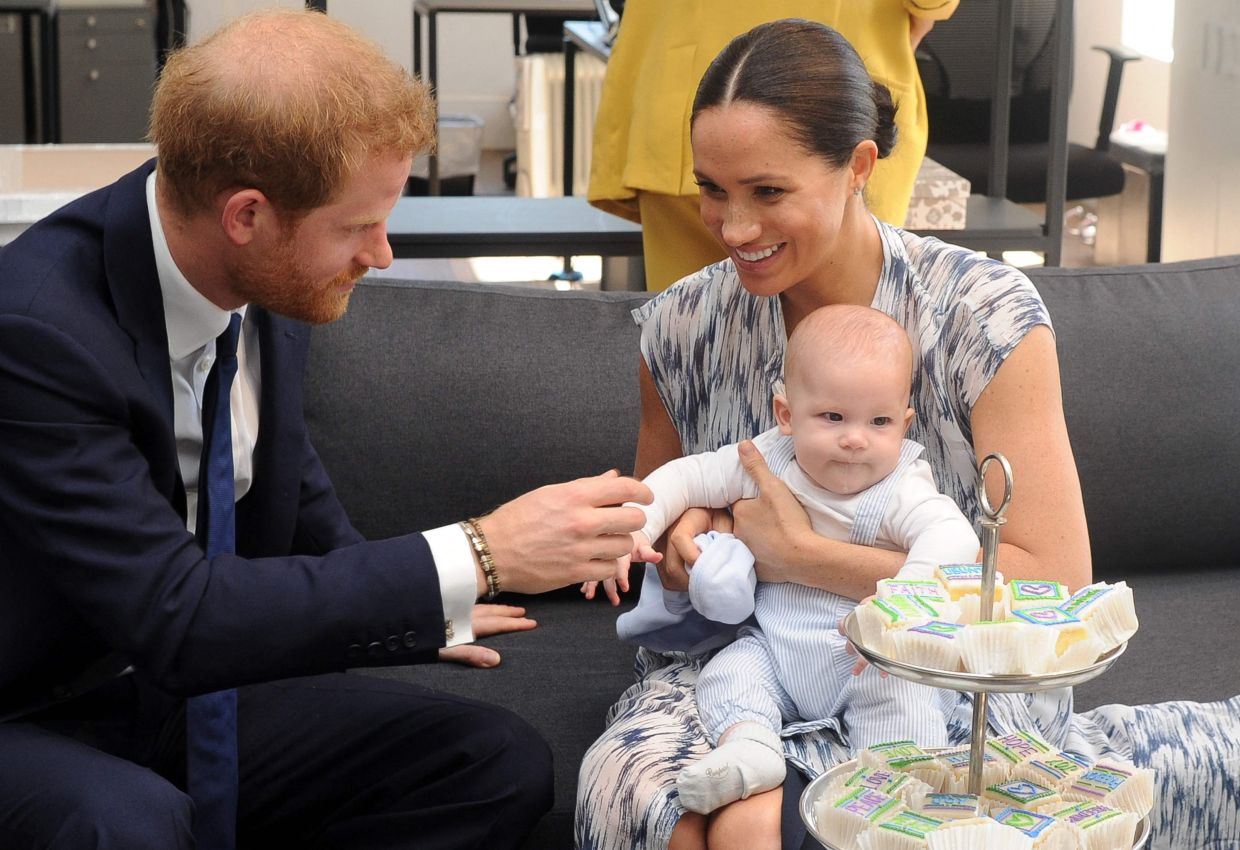
King Charles III received Prince Harry and his family at Highgrove House, a country estate west of London, marking their first meeting in several years and signalling a potential thaw in relations that have been strained since the Duke and Duchess of Sussex stepped back from royal duties and relocated to the United States six years ago. The visit, confirmed by Buckingham Palace, brought together Harry, Meghan and their children Prince Archie and Princess Lilibet with the monarch and Queen Camilla, representing a carefully orchestrated moment aimed at bridging a chasm that has defined the British royal family's recent history.
Harry's arrival on July 6 in Britain had been anticipated not merely for the charitable engagements he was scheduled to undertake, but for the question that dominated media speculation: whether he would reconcile with his father. The British press had devoted considerable column space to the possibility, with tabloids and broadcasters dissecting every detail of royal schedules and household communications in search of clues about whether such an encounter would materialise. This intense scrutiny reflected the deep public interest in the fate of one of the most fractious family disputes in contemporary British life.
The timing of the gathering carried particular weight given the logistical constraints that govern royal scheduling. The monarchy's calendar operates years in advance, with engagements planned with military precision and diplomatic consideration. The opportunity for such a personal meeting existed only within a narrow window, constrained by the children's need to return to school in autumn and by their permanent residence three thousand miles away on the American west coast. These practical realities meant that any prospect of reconciliation required swift action and mutual commitment.
The pressure to seize this fleeting opportunity had already manifested in friction between Harry's representatives and royal officials. The situation descended into public embarrassment when Buckingham Palace initially extended an invitation for Harry to stay at the palace itself, only to withdraw the offer after he failed to respond within what officials deemed a reasonable timeframe. This exchange epitomised the underlying tensions that continue to complicate relations between the prince and the institution he once served.
Harry's homecoming also coincided with a significant legal setback in his ongoing campaign against the British tabloid press. A court judgment found the prince had failed to substantiate his privacy invasion claims against a major newspaper publisher, effectively ending what had become an exhausting legal battle. This defeat compounded frustrations that have long poisoned his relationship with his family, who view his legal pursuits and public allegations as damaging to the institution itself.
Yet underneath these tensions lay a deeper motivation driving Harry toward reconciliation. His father, now seventy-seven years old, is undergoing treatment for an undisclosed form of cancer, a reality that has concentrated minds on what time remains and what matters most. Harry has publicly acknowledged his desire to repair relations with the king, framing it as a necessary step forward rather than a surrender of principle. The two had managed only a brief cup of tea during a September visit to London, their first direct contact in more than a year, but this latest gathering represented something far more significant and symbolically laden.
The inclusion of Prince Archie and Princess Lilibet added an emotional dimension to the reunion. At seven and five years old respectively, the children possessed sufficient maturity to retain memories of their brief encounter with their grandfather during Queen Elizabeth II's Platinum Jubilee celebrations in 2022. For the king, the opportunity to spend meaningful time with his youngest grandchildren appeared to offer something that legal battles and media disputes could not provide: a human connection that transcended institutional conflict. Though the palace designated the meeting as private with no photographs to be released, the symbolic power of the moment resonated far beyond what any image could convey.
The estrangement between Harry and the House of Windsor traces its roots to the couple's decision to abandon royal responsibilities and pursue independent lives in California. What began as a withdrawal from duty evolved into something far more corrosive when Harry published a memoir that included unflattering portrayals of family members and sweeping allegations about the monarchy's relationship with the press. Particularly damaging were his accusations that Queen Camilla had leaked private family conversations to journalists in an effort to rehabilitate her public image during the period when Charles was heir to the throne. These revelations reopened old wounds and provided ammunition for those who viewed Harry as having betrayed family confidences.
The prince had also levelled serious accusations regarding his own security arrangements, claiming that the royal family had deliberately undermined his police protection as punishment for his decision to leave royal life. Following a legal defeat on this issue, Harry appeared to reach a turning point, telling the BBC that continuing to fight with his family served no purpose. His statement that "I don't know how much longer my father has" suggested a shift in perspective driven by mortality and the recognition that opportunities for reconciliation do not remain indefinitely available.
For Malaysian and Southeast Asian observers, the royal reconciliation carries broader implications about how institutions navigate the intersection of personal relationships and public duty. The House of Windsor's struggles mirror the tensions that many Asian families navigate when younger generations pursue paths diverging from parental expectations, though the global stage and media scrutiny amplify every element of the conflict. The meeting at Highgrove suggests that even in the most formal institutional contexts, family bonds and the acknowledgment of mortality can create space for healing.
The visit also underscores how carefully orchestrated such moments must be in the modern media age. By designating the encounter as private and refusing to release photographs, royal officials acknowledged that the family required protected space to conduct their personal affairs without the constant interpretation and commentary that has characterised previous interactions. This approach reflects a maturing understanding that some conversations and connections cannot be mediated through public relations and media management.
Whether this encounter represents the beginning of sustained reconciliation or merely a symbolic gesture remains uncertain. The fundamental disagreements about duty, privacy and institutional loyalty that drove Harry and Meghan away have not been publicly resolved. Yet the simple fact that they met, that the children knew their grandfather, and that the king proved willing to prioritise family over the rigid protocols that usually govern his time, suggests that even the most strained relationships retain the capacity for repair. For a royal family that has endured considerable public scrutiny and internal conflict, the Highgrove gathering may yet prove a turning point toward healing.

