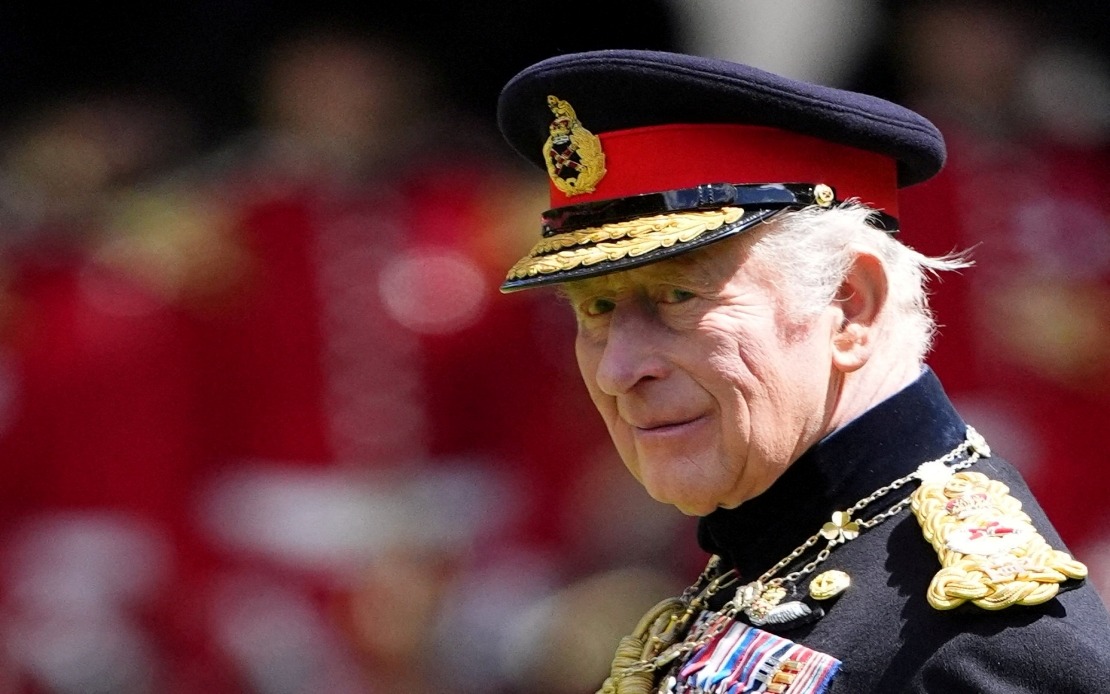
King Charles III has broken centuries of precedent by becoming the first reigning British monarch to publicly disclose his personal tax payment, with Buckingham Palace announcing on Thursday that he paid £12.9 million during the 2024-2025 tax year. This landmark disclosure represents a significant shift in royal accountability and sets a new standard for transparency in the British monarchy, which has long operated with considerable financial secrecy compared to other institutions in the United Kingdom.
The figure released by the Royal Household provides unprecedented insight into the personal finances of the sovereign. For the previous tax year ending in 2024, King Charles paid £11.7 million in personal income tax. Taken together, his voluntary tax contributions since ascending to the throne in September 2022 have exceeded £30 million, demonstrating substantial financial commitment to the state coffers despite his position conferring certain legal exemptions from taxation.
The publication of these figures marks a dramatic departure from royal tradition. Unlike prime ministers, government ministers, and other senior public figures who routinely disclose income and tax obligations as a matter of course, British monarchs have historically remained exempt from public financial scrutiny. While King Charles began voluntarily releasing tax information when he held the title of Prince of Wales, such disclosures from a reigning monarch represent genuinely uncharted territory in British constitutional history.
It is worth noting that the British monarchy operates under a unique legal framework regarding taxation. Reigning monarchs are not legally obligated to pay income tax, capital gains tax, or inheritance tax, a legacy of ancient constitutional principles holding that the Crown cannot tax itself. However, beginning in the 1990s, the royal family voluntarily adopted a system whereby the monarch contributes income tax on certain revenues, demonstrating a commitment to meeting standards expected of ordinary wealthy individuals and major institutions in the modern era.
The king's personal income that generates these tax obligations stems from multiple sources, including dividends and returns on personal investments held in his name, as well as revenues generated by the privately owned Balmoral estate in Scotland and Sandringham estate in Norfolk. These properties function as profitable enterprises generating substantial returns while also serving as the royal residences where the monarch conducts personal and private activities. The income from these sources is allocated toward covering the king's private expenses, distinct from official state business funded through parliamentary appropriations.
Buckingham Palace framed the disclosure as part of a broader institutional commitment to financial transparency and accountability to the British public. The palace released the tax figures alongside a comprehensive new document that details and explains the various streams and sources of royal financing, providing context for how the monarchy funds its operations and manages its considerable assets. This documentation effort reflects recognition that public understanding of royal finances has become an increasingly important factor in maintaining institutional legitimacy and public confidence.
James Chalmers, the keeper of the Privy Purse and senior financial officer responsible for royal household finances, commented that while royal financial arrangements can appear intricate to external observers, the underlying framework is straightforward and grounded in legal principles that have evolved over time. Chalmers emphasised that the financial structure has been deliberately designed to enable the monarch to exercise functions with genuine independence from partisan political pressures while maintaining rigorous accountability mechanisms and ensuring that arrangements serve the enduring interests of the nation across different political cycles.
For Malaysian readers, this development offers interesting comparative context regarding governance and transparency standards among Commonwealth institutions. The British monarchy's movement toward greater financial disclosure aligns with broader global trends toward transparency in major institutions, whether governmental or hereditary. While Malaysia's own constitutional arrangements differ substantially from the Westminster system, the principle that institutions wielding significant influence should operate with visible accountability to the public resonates across democratic societies.
The significance of King Charles's disclosure extends beyond mere numbers. It demonstrates that even institutions with deep historical roots and substantial legal privileges can adapt to contemporary expectations regarding institutional transparency. The voluntary nature of the king's tax payments, despite legal exemption, underscores the distinction between what institutions are legally required to do and what they choose to do in service of maintaining public trust and demonstrating commitment to shared civic norms.
This precedent will likely establish expectations for future British monarchs, as reverting to complete financial secrecy after King Charles has voluntarily disclosed would appear as a step backward in institutional openness. The precedent may also create subtle pressure on other major institutions and wealthy individuals to consider whether they too should adopt greater transparency regarding their financial contributions and arrangements, particularly those enjoying special legal status or substantial public prominence.

