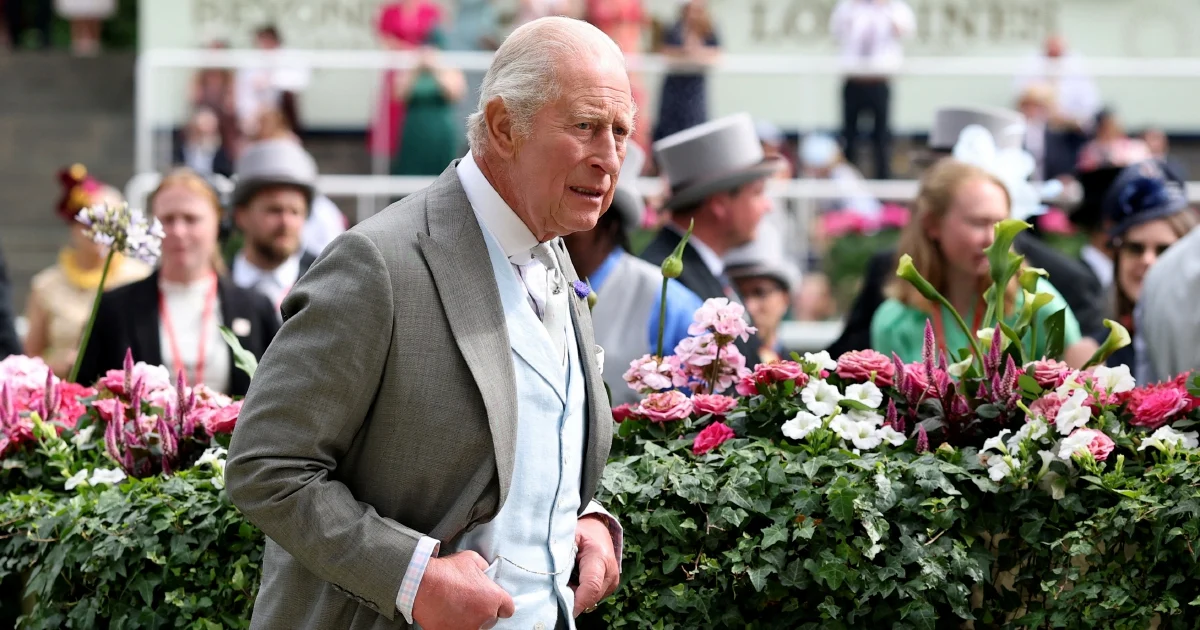
Buckingham Palace announced on Saturday that King Charles III intends to make his personal tax contributions public, marking a significant departure from the monarchy's traditionally opaque financial practices and attempting to address intensifying public and parliamentary questions about royal wealth management.
The disclosure initiative reflects broader pressure on the British royal household to operate with greater financial openness in an era when public institutions face heightened accountability expectations. Palace officials conveyed the plan to British media outlets, signalling that the King believes transparency serves the interests of both the crown and the public it serves. This move comes as discussions about how the royal family manages its substantial assets have shifted from quiet boardroom conversations to mainstream political discourse.
Royal finances have traditionally operated within a shroud of secrecy, with limited public disclosure of how the monarchy generates revenue, allocates expenditure, and meets its tax obligations. The existing system allows the royal household considerable discretion in determining what financial information reaches public view. This opacity has invited criticism from transparency advocates who contend that institutions funded partly through public mechanisms and enjoying special legal privileges ought to meet higher standards of disclosure than private individuals or corporations.
Charles's decision to reveal his personal tax bill represents an attempt to preempt mounting criticism while positioning himself as a modernising monarch willing to adapt royal institutions to contemporary expectations. The move may also serve to distinguish his personal financial conduct from questions about the broader royal estate's management, allowing the King to demonstrate individual fiscal responsibility even as debates continue about institutional arrangements.
For Malaysian readers, this development carries particular relevance given Malaysia's constitutional monarchy and ongoing discussions about managing royal finances within a framework that balances respect for the institution with democratic accountability. The British precedent may influence conversations across Commonwealth realms about appropriate levels of financial disclosure for hereditary monarchies operating within democratic systems.
Public scrutiny of royal finances has intensified following various investigative reports and parliamentary inquiries into how wealth held in trust for the crown generates returns and how those returns are distributed. Questions have specifically focused on whether existing arrangements ensure that public funds supporting the monarchy are spent appropriately, and whether the royal household meets the same regulatory standards as other substantial landowners and financial entities.
The transparency initiative may represent a calculated strategic response to what palace advisers perceive as a credibility challenge rather than a purely voluntary embrace of openness. By selectively disclosing tax information while maintaining privacy around other aspects of royal finances, the King demonstrates a willingness to engage with public concern without surrendering the broad discretion the monarchy has historically retained over its financial affairs.
Charles's approach also reflects his longstanding personal interest in environmental sustainability and governance reform. Throughout his decades as Prince of Wales, he championed corporate accountability and institutional transparency, though often in the context of environmental rather than financial disclosure. The tax revelation aligns with this broader philosophy that modern institutions must justify their activities to the public they serve.
However, selective disclosure of only personal tax obligations leaves substantial questions unresolved about the broader management of royal assets, the Duchy of Cornwall's operations, investment strategies, and charitable giving. Palace officials have not indicated whether this transparency measure extends beyond the King's individual tax return to encompass the wider royal institutional structure that manages hundreds of millions of pounds in assets.
The announcement comes at a moment when monarchies across the Commonwealth face renewed questioning about their contemporary relevance and legitimacy. Public opinion regarding royal institutions varies significantly across different nations and age groups, with younger demographic cohorts generally expressing less automatic deference to hereditary institutions. Demonstrating financial probity becomes increasingly important for royal households seeking to maintain public support and political capital.
Commentators suggest the disclosure strategy reflects palace communications professionals' assessment that limited transparency on this specific issue represents a lower risk than continued evasion. By releasing personal tax information, the King addresses the most easily defensible question while potentially deflecting pressure for more comprehensive institutional disclosure, at least temporarily.
The practical implications of this revelation remain uncertain. Whether the disclosed information will satisfy critics or simply invite deeper inquiries into broader royal financial arrangements remains to be seen. The move may establish a precedent that encourages or pressures other senior royals to adopt similar transparency measures, gradually shifting norms around what constitutes acceptable disclosure for the institution.

