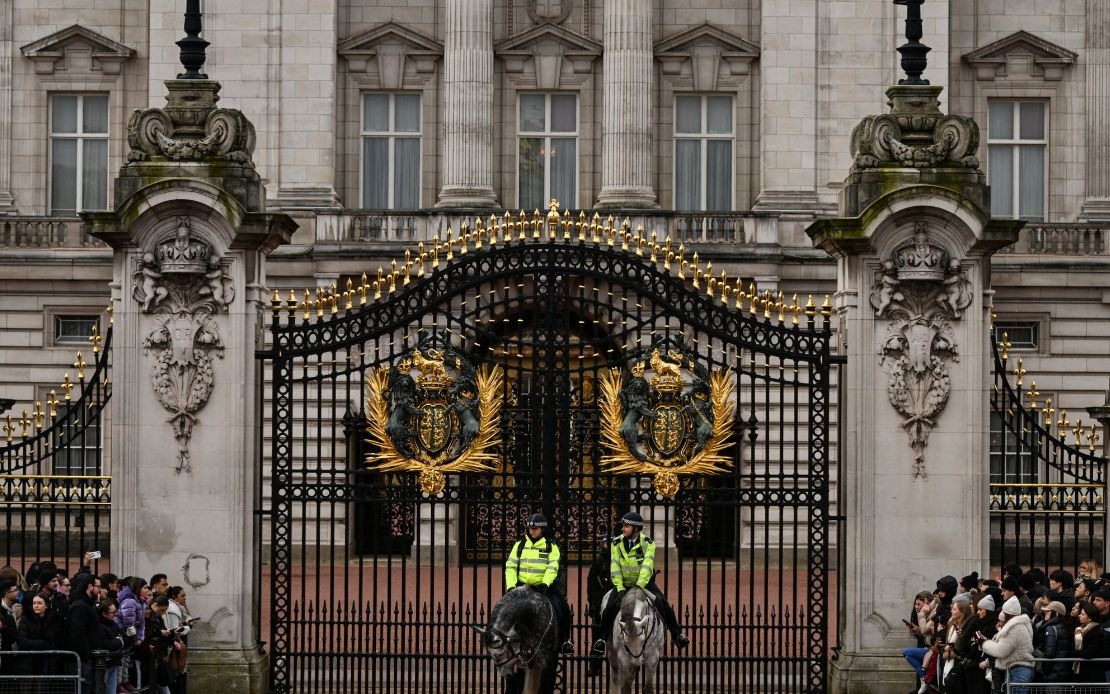
The British Royal Household has clarified its intentions for Buckingham Palace following the completion of an extensive refurbishment programme, announcing that King Charles III and Queen Camilla will continue to utilise the iconic residence for formal state business and ceremonial occasions, though it will not serve as their personal home. The announcement came in a statement released on Thursday outlining the royal finances and the future of Britain's most recognisable royal residence.
Under the revised arrangements, the palace will remain the ceremonial epicentre of British royal operations, hosting official receptions, state banquets, and other formal events that form the backbone of the monarch's public duties. This approach represents a shift in how the modern monarchy manages its vast property portfolio, balancing the demands of heritage preservation with the practical requirements of contemporary royal life. The Royal Household indicated that maintaining Buckingham Palace as the ceremonial workplace of the monarchy allows the institution to project its authority and continuity while adapting to 21st-century governance models.
The decision carries particular significance for how Britain's royal institutions position themselves publicly. By designating Buckingham Palace as the centre of ceremonial life rather than a private residence, the monarchy underscores its commitment to public access and national stewardship of cultural heritage. This represents a pragmatic response to evolving expectations about how public institutions manage taxpayer-funded assets and the spaces associated with national identity. The arrangement also reflects changing preferences within the royal family itself, as successive monarchs have increasingly opted for smaller, more manageable residences for private life.
The renovation project that prompted this announcement—the decade-long Buckingham Palace Reservicing Programme—has now entered its ninth year, with completion approaching. This substantial undertaking addresses structural maintenance, modernisation of outdated systems, and preservation of the palace's historical features. Such comprehensive refurbishment is essential for a building of Buckingham Palace's age and complexity, ensuring it remains functional and safe for the intensive use associated with state business.
During the 2025-2026 financial year, the palace and other royal residences hosted nearly 97,000 guests attending 827 events, demonstrating the significant demand for these venues in supporting the monarchy's public functions. This volume underscores why maintaining these spaces in pristine condition represents not merely heritage preservation but essential infrastructure for the state. The figures also illustrate how frequently the monarchy engages with the public through official events, receptions, and ceremonial occasions that require appropriate venues.
Financial considerations have influenced these decisions substantially. The Sovereign Grant—the public funding mechanism that supports the monarch's official duties and maintains occupied royal palaces—reached £132.1 million for 2025-2026. Of this allocation, £67.5 million was designated specifically for preservation and protection of the palaces currently in use by the royal family. These figures demonstrate the substantial investment required to maintain royal residences at standards befitting their ceremonial and heritage importance.
For Malaysian and Southeast Asian observers, the arrangement illustrates how established constitutional monarchies manage their institutional properties and public representation. Britain's approach to Buckingham Palace reflects broader principles about heritage stewardship, public accessibility, and the separation between private and official spheres that characterise mature democratic monarchies. The commitment to keeping the palace as a "national heritage asset" offering expanded opportunities for public access resonates with similar global movements toward democratising access to historic royal properties.
The Royal Household's statement also reflects contemporary thinking about monarchical relevance and public engagement. Rather than retreating into private grandeur, the modern monarchy positions its most significant buildings as public cultural resources. This philosophy aligns with how heritage institutions worldwide increasingly operate—as community assets serving educational and cultural functions alongside their ceremonial purposes. The approach acknowledges that the legitimacy of constitutional monarchy in contemporary society depends partly on demonstrating responsible stewardship of national treasures and ensuring public value from public investment.
Looking ahead, the completion of the Buckingham Palace refurbishment will mark an important milestone in Britain's heritage preservation efforts. The project represents one of the most substantial royal building interventions in recent decades, comparable in scope to major museum and cultural institution renovations across Europe. When finished, the palace will emerge as a modernised venue capable of serving state functions efficiently while retaining its historical character and architectural significance.
The decision to maintain Buckingham Palace as the ceremonial heart of the monarchy, rather than converting it into a museum or public gallery entirely, represents a balanced approach to its future. It preserves the building's primary purpose as a working royal residence for state business while ensuring its accessibility and relevance to contemporary audiences. This arrangement will likely serve as a model for how other constitutional monarchies and heritage institutions worldwide manage similar properties, particularly as questions about public funding, accessibility, and institutional relevance become increasingly prominent in democratic societies.

