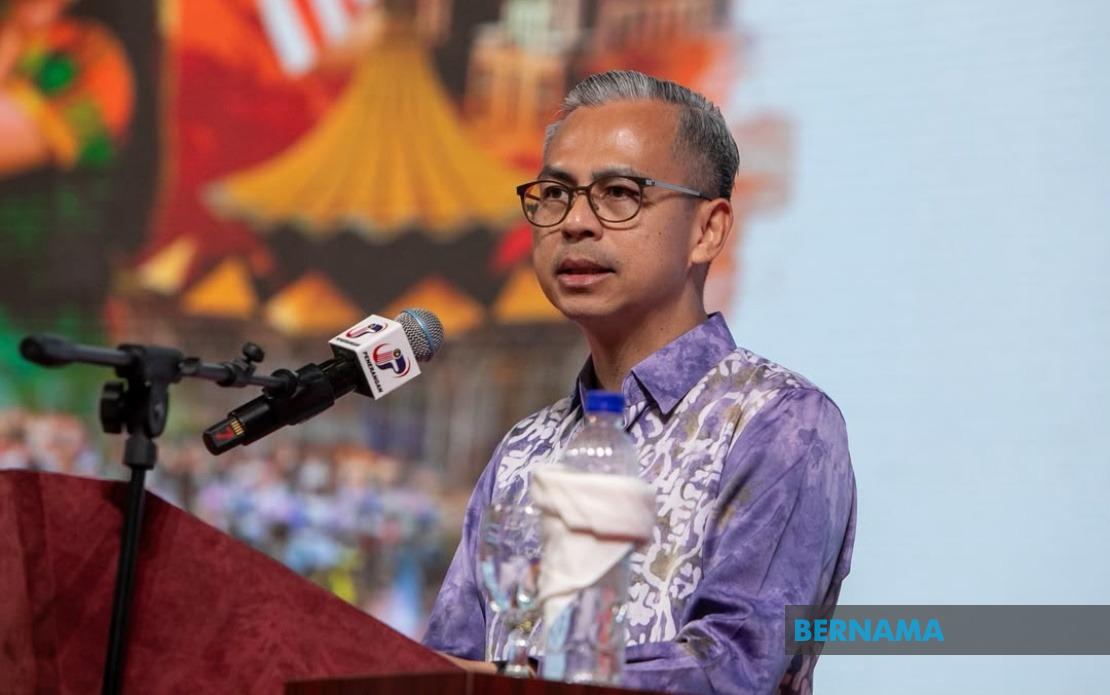
Communications Minister Datuk Seri Fahmi Fadzil has reaffirmed the government's commitment to the Kembara Merdeka Jalur Gemilang (KMJG) convoy as a vital instrument for cultivating patriotic sentiment and strengthening national bonds across Malaysia. Speaking at the official launch of the 2026 National Month and Fly the Jalur Gemilang campaign in Ipoh on July 19, Fahmi declared that the touring convoy would retain its prominence as a centrepiece programme during the August celebrations honouring Malaysia Day and the nation's independence.
The 2026 edition of the festivities carries the overarching theme of 'Malaysia MADANI: Kesejahteraan Dinikmati,' which translates to Malaysia MADANI: Shared Prosperity, signalling the government's intention to connect national pride with tangible improvements in citizens' quality of life. Rather than dilute the message through lavish spending, Fahmi explained that organisers have opted for a measured approach that maximises the impact of available budgets whilst keeping the focus firmly on deepening public appreciation for Malaysia's hard-won independence and the values underpinning the nation's multicultural fabric.
The launch ceremony itself underscored the high-level political backing for these initiatives, with Prime Minister Datuk Seri Anwar Ibrahim officiating the event at the Sultan Azlan Shah Ministry of Health Training Institute in Tanjung Rambutan. The presence of National Unity Minister Datuk Aaron Ago Dagang and Perak Menteri Besar Datuk Seri Saarani Mohamad demonstrated coordinated effort across federal and state administrations to ensure the messaging around national cohesion reaches all segments of society.
Central to the patriotism drive is the intensification of the One House, One Jalur Gemilang initiative, a grassroots campaign designed to encourage individual households throughout the country to display the national flag. This deceptively simple act carries deeper symbolic weight in the Malaysian context, where visible expressions of national identity serve as tangible reminders of shared sovereignty and collective pride transcending ethnic and religious boundaries. By mobilising communities at the household level rather than relying solely on official ceremonies, the government seeks to embed patriotic sentiment into everyday lived experience.
The KMJG convoy itself has proven an effective vehicle—both literally and figuratively—for connecting citizens in distant and urban areas alike with nationalist messaging. The travelling exhibition format allows the government to take content and activities directly to communities that might otherwise miss centralised celebrations, democratising access to National Month events and ensuring that patriotism is presented not as an elite concern but as a genuine shared project involving ordinary Malaysians. The convoy model also generates visible symbols of national unity that local media can amplify, creating reinforcing cycles of coverage that sustain momentum throughout the August festivities.
The strategic positioning of these celebrations within the broader Malaysia MADANI framework reflects an effort to anchor patriotism not merely in historical reflection but in forward-looking visions of shared prosperity. Rather than treating National Month as an exercise in nostalgic commemoration, the government is attempting to fuse pride in past achievements with aspirations for future improvements in citizen welfare. This framing is particularly significant for younger Malaysians who may feel less personally connected to independence-era narratives and require contemporary relevance to engage meaningfully with patriotic messaging.
For regional observers, Malaysia's approach to National Month celebrations offers instructive lessons in how multiethnic democracies navigate the delicate balance between promoting national cohesion and respecting pluralism. The emphasis on inclusive patriotism—framing love of country as compatible with diverse backgrounds and beliefs—contrasts with more exclusionary nationalism seen in other societies. The Jalur Gemilang initiative explicitly positions the flag as a symbol belonging equally to all communities, sidestepping potential sensitivities around religious or ethnic dimensions of national identity.
The prudent resource allocation strategy disclosed by Fahmi also responds to contemporary fiscal consciousness among Malaysian voters increasingly attuned to government spending efficiency. By demonstrating that patriotic fervour need not depend on lavish expenditure, the administration signals fiscal discipline whilst maintaining programmatic ambition. This approach may resonate beyond Malaysia's borders, where other developing democracies face similar pressures to balance nation-building aspirations with budget constraints and public demands for accountable governance.
Implementation challenges nevertheless lie ahead. Sustaining public engagement with patriotic messaging across the entire calendar year requires continuous reinforcement beyond the concentrated August period. Local authorities and community leaders must translate top-level directives into authentic grassroots activities that resonate with diverse audiences across Malaysia's varied geographical and socioeconomic landscape. The One House, One Jalur Gemilang initiative's success ultimately depends on voluntary participation by millions of households, suggesting that government messaging must emphasise choice and pride rather than obligation or coercion.
The coordination among federal communications, unity, and health ministries alongside state governments indicates institutional recognition that patriotism initiatives require multi-sectoral buy-in and coherent messaging. The choice of a health ministry training facility as the launch venue—rather than a purely ceremonial location—subtly emphasises connections between national wellbeing and citizen health, reinforcing the Malaysia MADANI theme linking prosperity to practical improvements in public services and living standards.

