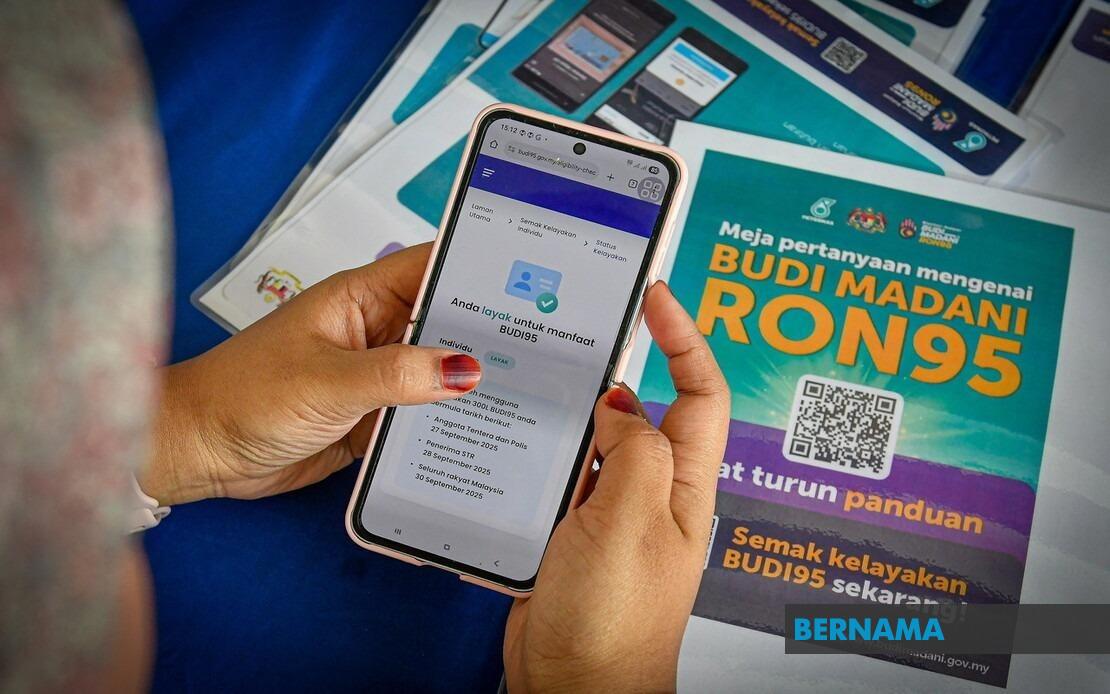
The Ministry of Domestic Trade and Cost of Living has committed to examining practical solutions for island communities across Peninsular Malaysia who face elevated living costs due to their reliance on boats for daily transport to the mainland. Deputy Minister Datuk Dr Fuziah Salleh revealed that the ministry intends to develop tailored assistance mechanisms specifically addressing the circumstances of these isolated populations, many of whom experience financial hardship exacerbated by dependence on fuel-consuming waterborne transport.
The move follows parliamentary pressure from Muhammad Islahuddin Abas, the Mersing representative, who highlighted the particular struggles of island dwellers in his Johor constituency. These communities confront substantially higher petrol consumption than mainland residents due to their geographic isolation, effectively placing them at an economic disadvantage. The deputy minister's acknowledgment represents a significant step toward recognising that the BUDI MADANI scheme, Malaysia's broader subsidy framework, may require recalibration to account for such exceptional circumstances where geography itself becomes a driver of elevated fuel needs.
The BUDI95 fuel quota system, which currently governs diesel and petrol allocations, was designed primarily for mainland economic activities and household consumption patterns. However, island residents operating private boats fall into a distinct category—they are neither commercial operators nor typical consumers, yet their boat usage is essential rather than discretionary. This conceptual gap has created an equity problem that policymakers are only now directly confronting in parliamentary forums. The ministry's willingness to explore extensions of the scheme signals recognition that blanket policies sometimes inadvertently exclude vulnerable groups requiring specially calibrated support.
Parallel to the island community initiative, Fuziah disclosed that the ministry is simultaneously undertaking a comprehensive review of standard operating procedures governing access to subsidised diesel fleet cards. The current framework extends such cards exclusively to formally registered companies, effectively excluding welfare homes and elderly care facilities that operate under the auspices of non-governmental organisations registered with the Registrar of Societies rather than the Companies Commission. This technical distinction creates a substantial barrier for institutions serving some of Malaysia's most vulnerable populations.
The exclusion of registered non-profit elderly care homes represents a particularly acute policy gap. These facilities incur significant transport costs in fulfilling their welfare and health obligations to residents, yet their organisational structure automatically disqualifies them from accessing fuel subsidies intended to reduce operational burdens on essential service providers. The deputy minister characterised the situation as one requiring procedural adjustment rather than fundamental policy revision, suggesting that the ministry recognises the underlying fairness concern and sees administrative feasibility as the primary challenge.
Resolution of the non-profit homes issue hinges on developing additional administrative pathways within the Subsidised Diesel Control Scheme (SKDS) framework to recognise and accommodate entities registered under societies legislation. This would require coordination between multiple government departments—the Companies Commission, the Registrar of Societies, and internal KPDN divisions—to ensure that the broadened eligibility criteria do not compromise oversight or create audit complications. The complexity of this inter-agency coordination explains why the issue has persisted despite the obvious policy merit of inclusion.
In addressing concerns raised by Datuk Seri Dr Wee Ka Siong regarding broader subsidy access for marginalised sectors, Fuziah reaffirmed that the tourism industry remains ineligible for diesel subsidies under SKDS 2.0. The ministry has prioritised essential sectors—most notably food production and distribution—reflecting an explicit policy choice to concentrate limited subsidy resources on areas deemed vital to national food security and basic living standards. Tourism, despite its economic importance and employment generation capacity, currently falls outside this prioritised classification.
This prioritisation framework reveals the inherent tension between sectoral support objectives. While tourism provides livelihoods for substantial numbers of Malaysians and contributes significantly to foreign exchange earnings, the current subsidy architecture treats it as less essential than food-related activities. Tourism operators have consequently advocated for reclassification, arguing that fuel cost pressures are squeezing margins and competitiveness, particularly for transport and hospitality enterprises in rural and island destinations where petrol consumption represents a higher proportion of operational costs.
For island and rural communities specifically, the interplay between these subsidy decisions carries outsized significance. Many island destinations depend heavily on tourism revenue, yet the exclusion of tourism from SKDS 2.0 creates cascading cost pressures for hospitality businesses and transport operators serving those areas. Simultaneously, the inability of private boat owners to access higher BUDI MADANI quotas means that the transport costs underlying tourism operations remain unsubsidised, rendering island-based tourism increasingly uncompetitive against mainland alternatives.
The KPDN's review processes, while procedurally cautious, suggest that policymakers increasingly recognise the geographic equity dimensions of subsidy policy. Malaysia's island communities and non-profit service providers have legitimate claims on state support that deserve administrative accommodation, particularly when existing frameworks inadvertently exclude them through technicalities rather than reasoned policy judgment. The coming months will reveal whether the ministry can translate these parliamentary commitments into concrete procedural amendments and expanded eligibility criteria.
Successful resolution would demonstrate that subsidy schemes can simultaneously serve efficiency objectives—concentrating support on essential sectors—while incorporating geographic and organisational equity considerations. For Malaysian readers in island communities and those managing welfare facilities, the outcome of these reviews will determine whether structural disadvantages rooted in isolation or legal form can be meaningfully ameliorated through administrative refinement of existing policies.

