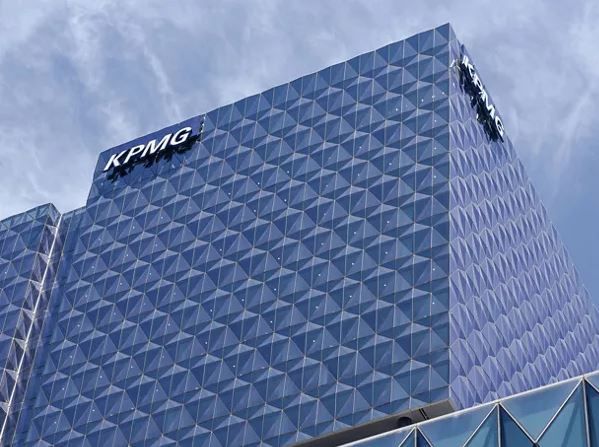
The audit and advisory giant KPMG Australia has announced a sweeping overhaul of its senior leadership following mounting pressure over its handling of whistleblower allegations that exposed serious misconduct in how the firm pursued lucrative audit contracts. Chairman Martin Sheppard, along with audit partners Paul Rogers and Eileen Hoggett, have all stepped down in what represents the most significant management upheaval since the scandal erupted publicly in March. These departures come after KPMG's chief executive and head of audit already left the firm, indicating the scale of the institutional damage wrought by the misconduct allegations.
The resignations underscore the severity of the allegations that have tarnished KPMG's reputation in Australia and raised broader concerns about professional standards within the audit sector. According to the whistleblower's account, the firm improperly accessed confidential board papers from real estate company Lendlease to bolster its competitive bids for major audit engagements. This type of breach represents a fundamental violation of client confidentiality and professional ethics that lies at the heart of audit firm operations, where trust and discretion are foundational to the relationship between auditors and their clients.
Interim Chief Executive Stan Stavros, who now steers the firm through its crisis, acknowledged in his statement that the organisation failed to uphold the standards expected of professional services firms. His recognition of the impact on multiple stakeholders—the whistleblower, employees, clients, and the broader community—signals an attempt to address the reputational damage through transparency and accountability. The timing and immediacy of these leadership changes suggest that internal pressure, client concerns, and regulatory scrutiny left little room for delay in demonstrating corrective action.
The specific involvement of Rogers and Hoggett in the alleged misconduct appears particularly damaging given their positions as lead partners on the Lendlease audit team. By naming these individuals, the whistleblower created a direct line between senior practitioners and the improper conduct, making it difficult for KPMG to frame the issue as an isolated lapse by lower-level staff. Their departure effectively removes from the firm those directly implicated in the scandal, though it also raises questions about broader cultural issues that may have enabled such behaviour to occur without immediate detection or intervention.
Australia's corporate regulator has launched investigations into Rogers and Hoggett, adding a regulatory dimension to what is now firmly established as a matter of serious professional concern. The involvement of government oversight bodies signals that this case extends beyond internal firm discipline into questions of whether legal or ethical violations occurred. This regulatory scrutiny likely accelerated the decision to remove these individuals from their positions, as remaining in post could expose KPMG to further criticism of appearing to shield implicated staff.
For Malaysian and Southeast Asian readers, the KPMG Australia scandal carries several implications. Multinational professional services firms like KPMG operate across the region with significant influence over corporate governance and audit standards. When such firms are found to have compromised their ethical standards in one jurisdiction, it raises legitimate questions about whether similar issues might exist in other markets where they operate. The scandal also highlights the importance of strong whistleblower protections and investigation mechanisms to expose internal wrongdoing before it becomes systemic.
The response by KPMG—appointing independent board members and strengthening governance structures—reflects a standard playbook for managing crises of confidence in professional firms. However, the effectiveness of such measures depends on genuine cultural change rather than merely structural reorganisation. The appointments of independent directors may help rebuild trust with stakeholders, but they will be judged ultimately by their ability to prevent similar conduct from recurring. Southeast Asian regulators and corporate leaders monitoring this situation will likely scrutinise whether governance reforms translate into meaningful behavioural change.
The broader context of this scandal involves questions about competition and pressure within the professional services sector. If KPMG felt compelled to misuse client information to compete for major audit contracts, this suggests that business development pressures and competitive dynamics may have compromised professional judgment. This tension between commercial imperatives and ethical obligations is not unique to KPMG or to Australia, and it deserves serious attention across the region where similar firms compete for lucrative corporate mandates.
The loss of three senior executives in rapid succession creates both immediate operational challenges and long-term institutional risks for KPMG Australia. The firm must now recruit new leadership while maintaining client confidence and employee morale during an extended reputational crisis. The ability to do so while under regulatory investigation and public scrutiny will test the firm's organisational resilience and the strength of its supporting infrastructure.
Stakeholders across the Asia-Pacific region—including clients, regulators, and competing firms—will be watching closely to see whether KPMG's response proves adequate to restore confidence. The scandal serves as a cautionary tale about the risks of prioritising business development over professional integrity, and it underscores why robust internal controls, ethical training, and whistleblower mechanisms remain essential safeguards in professional services firms operating in any jurisdiction.

