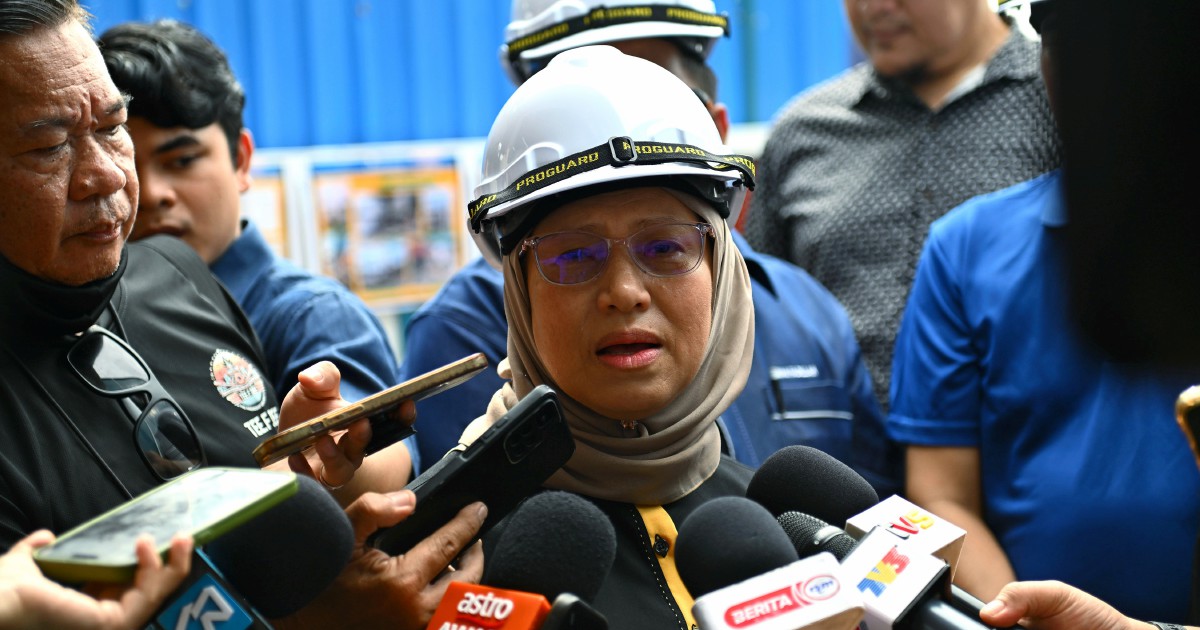
Malaysian child welfare authorities have ordered a Langkawi-based kindergarten to cease all operations pending the outcome of a police investigation into serious allegations involving child neglect and inappropriate handling of young students. The directive, issued by the Welfare Department, represents a precautionary measure designed to protect the wellbeing of enrolled children while investigators examine the circumstances surrounding the complaints.
The decision to temporarily halt operations reflects growing vigilance among Malaysian authorities regarding standards within early childhood education facilities. Kindergartens serve as critical developmental environments for children aged three to six, when foundational learning patterns and emotional security are being established. Any breach in duty of care during these formative years can have lasting psychological and developmental consequences, making swift governmental action essential.
The Welfare Department's intervention underscores the complex responsibilities shouldered by Malaysia's social services infrastructure. Beyond merely suspending a facility, authorities must coordinate with law enforcement, preserve evidence, interview staff and families, and simultaneously ensure that displaced young learners are supported during the transition. For parents who entrusted their children to the kindergarten's care, the discovery of potential neglect triggers not only concern for immediate safety but also anxiety about long-term impacts on their children's development and trust in institutional settings.
Langkawi, as a popular tourist destination and residential hub, hosts numerous educational facilities serving both resident and transient populations. This particular case highlights how quality assurance in early childhood settings extends beyond major urban centres, requiring consistent oversight across Malaysia's diverse regions. The island's growth as a family-friendly destination makes the adequacy of its childcare infrastructure a matter of broader public interest.
Investigations of this nature typically involve multiple procedural steps. Police must gather statements from staff members, review facility records and policies, examine the physical environment for safety hazards, and conduct interviews with parents and children in age-appropriate formats. Welfare Department officers generally assess compliance with licensing requirements, safety standards, and operational guidelines established under relevant Malaysian regulations governing kindergartens and childcare facilities.
The allegations of inappropriate treatment alongside neglect suggest potential systemic failures rather than isolated incidents. Inappropriate treatment could encompass various concerning behaviours—from harsh discipline practices to inadequate supervision during activities. Combined with neglect allegations, which typically involve failure to provide adequate nutrition, hygiene, supervision, or emotional responsiveness, these claims paint a troubling picture of the facility's operational standards during the period in question.
For Malaysia's early education sector, such incidents perpetuate an ongoing debate about quality assurance mechanisms and enforcement capacity. While regulations exist governing kindergarten operations, compliance monitoring varies across states. Some facilities maintain rigorous standards and transparency, while others operate with minimal external oversight. Parent associations and child advocacy groups have periodically called for strengthened inspection protocols, enhanced staff training requirements, and more stringent vetting procedures for educators working with young children.
The temporary closure creates immediate logistical challenges for affected families who must arrange alternative childcare. Many parents balance employment commitments with childcare responsibilities, and sudden disruption to established arrangements can trigger genuine hardship. Some families may turn to informal childcare networks or temporary arrangements while seeking permanent alternatives, highlighting how institutional failures ripple through communities.
Staff members at the kindergarten also face uncertainty regarding their employment status and professional reputations during the investigation period. While authorities must determine accountability, presumptions of innocence remain important. Some staff may be entirely uninvolved in alleged misconduct, yet all face suspicion until investigations conclude. This occupational precarity underscores why thorough, professional investigations conducted with integrity matter profoundly.
The incident resonates across Southeast Asia, where rapid urbanisation and increasing female workforce participation have expanded demand for early childcare services significantly. Several neighbouring countries have experienced similar scandals in recent years, prompting regional discussions about minimum standards and cross-border learning regarding best practices in child protection within educational settings.
For Malaysian parents generally, such cases reinforce the importance of active engagement with their children's educational facilities. Regular communication with teachers, unannounced visits, reviewing facility policies, and listening carefully to children's accounts of their school experiences represent practical safeguards. Many quality kindergartens actively welcome parental involvement and maintain transparent communication about daily activities and development.
As investigations progress in Langkawi, the broader Malaysian education sector should draw learning points about prevention. Staff training in child development and safeguarding, clearly documented policies on discipline and care practices, open-door policies for parental observation, and robust complaint mechanisms represent investments that institutions serious about child welfare should prioritise. The temporary suspension, while disruptive, provides an opportunity for the kindergarten—should it resume—to demonstrate meaningful reform.

