Tokyo has confirmed that the last Japanese-owned vessel carrying Japanese crew members has transited through the Strait of Hormuz and exited the Persian Gulf following carefully coordinated diplomatic efforts with Iran. The safe passage of the Liberian-flagged crude oil tanker operated by Kyoei Tanker on June 19 represents a significant breakthrough for Japan's maritime interests in one of the world's most strategically vital shipping lanes.
The successful navigation through the contested waterway comes after Tokyo maintained intensive behind-the-scenes negotiations with Iranian authorities to secure passage for its commercial fleet. The Ministry of Foreign Affairs confirmed that the vessel, which had remained stranded in the Gulf due to regional tensions, is now en route to Japan. This breakthrough underscores the delicate balance Japan maintains between preserving its energy security interests and maintaining diplomatic channels with Iran, a nuanced position that sets it apart from many Western nations in its approach to Middle Eastern geopolitics.
The immediate evacuation of all Japan-crewed vessels from the Gulf marks the culmination of what has been a tense standoff affecting Tokyo's shipping industry. Japan's heavy reliance on Middle Eastern crude oil imports means that disruptions to Gulf passage create significant economic pressures on the nation's energy-dependent economy. By securing the safe departure of vessels with Japanese nationals on board, Tokyo has managed to mitigate one of the more acute risks posed by the regional instability, though broader commercial navigation concerns remain unresolved.
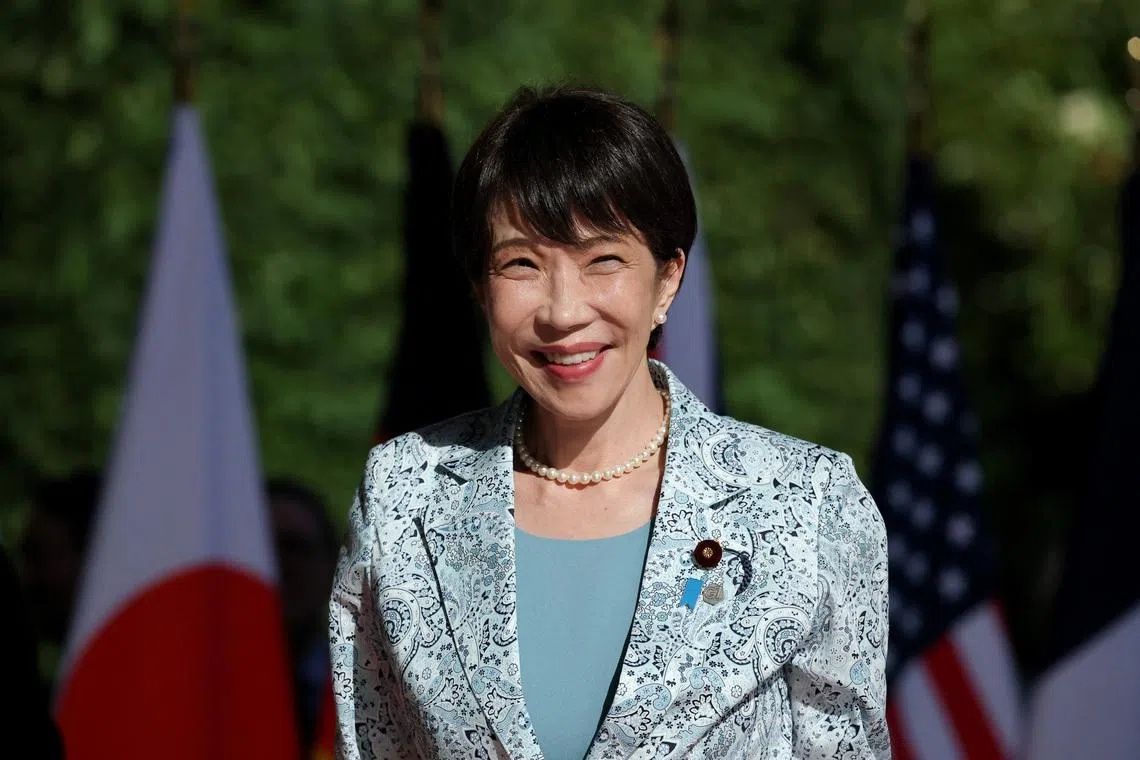
Prime Minister Sanae Takaichi acknowledged the diplomatic groundwork underlying the transit, expressing optimism that recent developments will facilitate broader regional stability. In a statement posted on social media, Takaichi referenced the memorandum of understanding recently negotiated between the United States and Iran as a potential catalyst for normalized shipping operations. This acknowledgment reflects Tokyo's careful positioning within the complex regional dynamics, recognising both the strategic importance of US partnership and the necessity of maintaining working relationships with Tehran to protect Japanese commercial interests.
However, the situation remains far from fully resolved for Japan's maritime sector. Prime Minister Takaichi disclosed that thirty-seven vessels with Japanese affiliations remain queued outside the Strait of Hormuz awaiting clearance to transit. These vessels represent substantial economic value and carry critical cargo including crude oil and other commodities essential to Japan's industrial base. The extended waiting period for these ships reflects the broader uncertainty surrounding the corridor's security and the willingness of regional actors to permit unimpeded commercial passage.
For Malaysian and Southeast Asian readers, Japan's experience navigating these challenges carries direct relevance given the region's own dependence on Strait of Hormuz transit. Approximately one-third of all seaborne traded oil passes through this narrow chokepoint, making it essential to regional economies across Southeast Asia. Any prolonged disruption to shipping flows through the strait has cascading effects on energy costs and supply chain stability throughout the region. Japan's diplomatic success in securing passage for its vessels may provide a template for how Asian nations can engage with regional powers to protect their maritime interests.
The Strait of Hormuz crisis has been exacerbated by broader geopolitical tensions, with various incidents affecting commercial shipping over recent months. Japan's experience demonstrates both the vulnerability of global maritime trade to regional instability and the potential for diplomatic engagement to find practical solutions. By working directly with Iranian officials rather than exclusively through Western channels, Tokyo has demonstrated that Asian nations can pursue independent approaches to resolving regional challenges that affect their core interests.
The memorandum of understanding between Washington and Tehran referenced by Prime Minister Takaichi remains fluid in its implementation and actual impact on shipping operations. While symbolically important, the agreement's effectiveness in guaranteeing free passage for all commercial vessels remains to be demonstrated through concrete operational changes. Japan's cautious optimism reflects the reality that regional tensions could easily resurface, making continued diplomatic vigilance essential for protecting merchant vessels and crew members.
Looking forward, Tokyo faces the dual challenge of maintaining pressure for broader corridor security improvements while not alienating either American strategic interests or Iranian pragmatic considerations. The thirty-seven vessels still waiting represent the unfinished business of Gulf transit normalization. Japan's government has indicated its intention to pursue further diplomatic efforts to ensure these vessels can complete their passages safely and on commercial timelines. For Southeast Asian nations with similar dependencies on Gulf energy supplies, Japan's diplomatic engagement offers both encouragement that regional powers can find workable compromises and a reminder of the persistent fragility of global maritime security in strategically contested waters.

