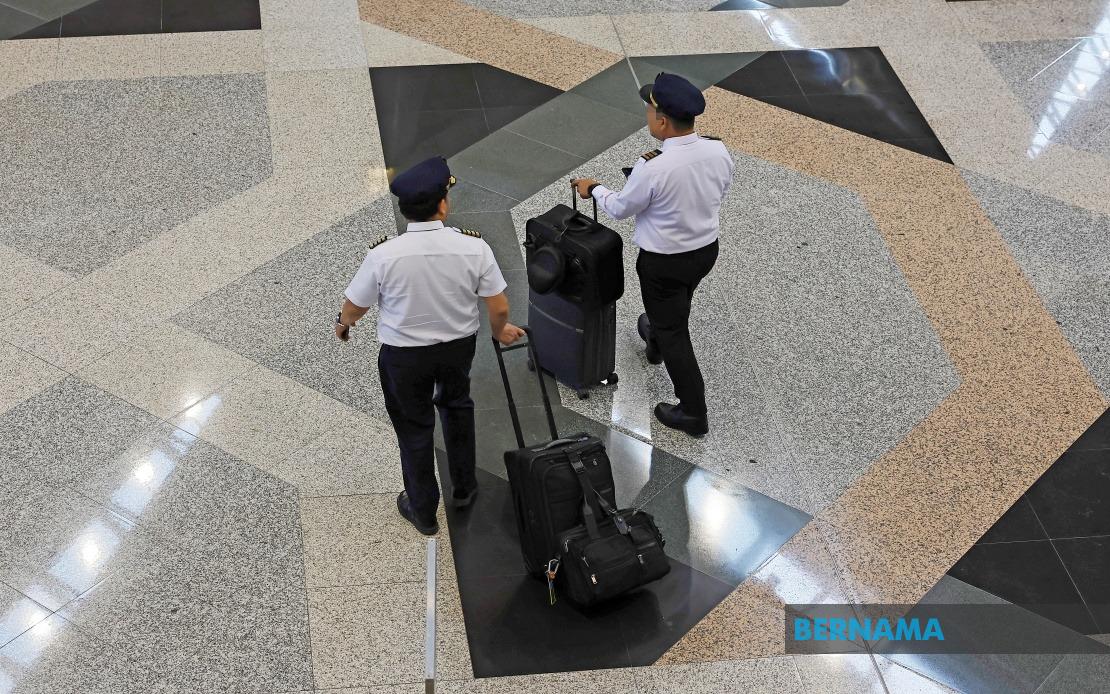
Tan Sri Lee Lam Thye, chairman of the Alliance For A Safe Community, has called for a thorough examination of security screening procedures at Kuala Lumpur International Airport following the arrest of a Malaysian pilot at Jakarta's main airport. The 39-year-old pilot was apprehended at Terminal 3 of Soekarno-Hatta International Airport after allegedly attempting to transport 25 kilogrammes of drugs. The incident has prompted questions about the effectiveness of existing protocols designed to prevent contraband from entering aircraft through Malaysia's aviation system.
While Lee emphasised that the pilot remains presumed innocent until the legal process concludes, he stressed that the case exposes potential vulnerabilities in airport security measures. The most pressing concern centres on how suspected drugs could have evaded detection at Malaysia's primary international gateway. This question strikes at the heart of public confidence in the nation's aviation security infrastructure, which handles millions of passengers and cargo shipments annually. The discovery of contraband only after a flight has departed Malaysia raises uncomfortable implications about screening effectiveness.
Lee specifically called on enforcement agencies to work collaboratively to address any systemic weaknesses. His statement identified the Civil Aviation Authority, airport security operators, and police as key stakeholders who must participate in this review process. The focus should extend beyond general passenger screening to encompass specialised procedures for airport workers and flight crew members, who often navigate security checkpoints with greater frequency and access than ordinary travellers. This distinction is crucial, as insiders with legitimate reasons to move through restricted zones can potentially exploit gaps in oversight.
The chairman emphasised that security protocols must be applied uniformly across all categories of airport users, regardless of their professional status or position within the aviation industry. The perception that certain personnel receive more lenient treatment than others could undermine the entire security framework and erode public trust. He stressed that no individual should be exempt from rigorous screening procedures, a principle that must be enforced consistently at all times and without exception. This message carries particular significance given Malaysia's reputation as a regional aviation hub and tourist destination.
The integrity of Malaysia's aviation security system has implications extending far beyond the nation's borders. International airlines operating through KLIA, foreign governments, and travellers from across Southeast Asia and beyond depend on the airport's security measures to protect their safety. Any perception of lax enforcement could affect Malaysia's standing within international aviation networks and potentially influence decisions by foreign carriers regarding routes and schedules. The International Civil Aviation Organization and bilateral aviation partners closely monitor security compliance at major hubs.
The case also highlights the vulnerability of transit points within complex international travel routes. Jakarta's Soekarno-Hatta International Airport, where the arrest occurred, processes millions of passengers annually and maintains numerous connections with Malaysian airports. The ease with which contraband allegedly made its way through KLIA to reach another international airport suggests that review processes may have fallen behind evolving smuggling techniques. Criminal networks continuously adapt their methods, and security protocols must similarly evolve to maintain effectiveness.
Lee's call for review occurs within a broader context of drug trafficking challenges across Southeast Asia. The region remains a significant transshipment point for narcotics destined for global markets, and aviation networks provide criminals with rapid transport across vast distances. Malaysia's geographic position and developed airport infrastructure make the country an attractive route for smugglers. Enhanced security measures at KLIA would therefore contribute not only to national efforts but also to regional cooperation in combating transnational drug trafficking.
The distinction between cargo security and personnel screening deserves particular attention in any comprehensive review. While passenger baggage undergoes standard X-ray examination, cargo handled by airport staff or placed in aircraft holds may face different scrutiny depending on its classification. Flight crew members carrying personal effects or equipment may also move through expedited channels. These pathways, while necessary for operational efficiency, must be evaluated to ensure they do not create exploitable loopholes. Finding the right balance between security rigour and operational practicality remains an ongoing challenge for airport authorities.
The alleged incident also raises questions about intelligence sharing between Malaysian and Indonesian authorities. If the pilot's background or activities had raised concerns previously, such information might have triggered additional screening measures at KLIA. Strengthening cooperation between civil aviation authorities in Southeast Asia, including regular sharing of suspicious passenger reports and intelligence about potential smuggling networks, could prevent similar incidents. Regional coordination mechanisms exist but may require enhancement to address evolving threats effectively.
Implementing Lee's recommendations would likely involve both technological upgrades and procedural modifications. Advanced screening equipment, including next-generation X-ray and detection systems, could improve the identification of concealed narcotics. Equally important would be training enhancements for security personnel and randomised audits of screening procedures to identify gaps. Database systems linking Malaysia's airport security with immigration and police records could flag individuals with suspicious patterns of travel or known associations.
The case underscores the responsibility that falls on aviation industry professionals. Pilots, cabin crew members, and ground staff occupy positions of trust within the security system, and any breach of that trust carries serious consequences for colleagues and the public. Industry organisations and individual airlines can reinforce ethical standards and security awareness among their personnel, creating a culture where reporting suspicious activity becomes normalised rather than discouraged.
Moving forward, the review process initiated by Lee's call should be transparent and include stakeholders from multiple sectors including civil aviation, security, law enforcement, and industry representatives. Public communication about findings and subsequent improvements would help reassure both domestic and international users of KLIA's commitment to maintaining high security standards. The incident, while concerning, provides an opportunity to strengthen Malaysia's aviation security posture and demonstrate commitment to regional and global aviation safety standards.
For Malaysian travellers and the aviation industry, the outcome of this security review carries direct significance. Enhanced screening procedures may result in longer processing times but would provide justified reassurance about safety measures. The incident serves as a reminder that aviation security requires continuous vigilance, adaptation, and investment, and that the responsibility extends across all personnel within the airport system.

