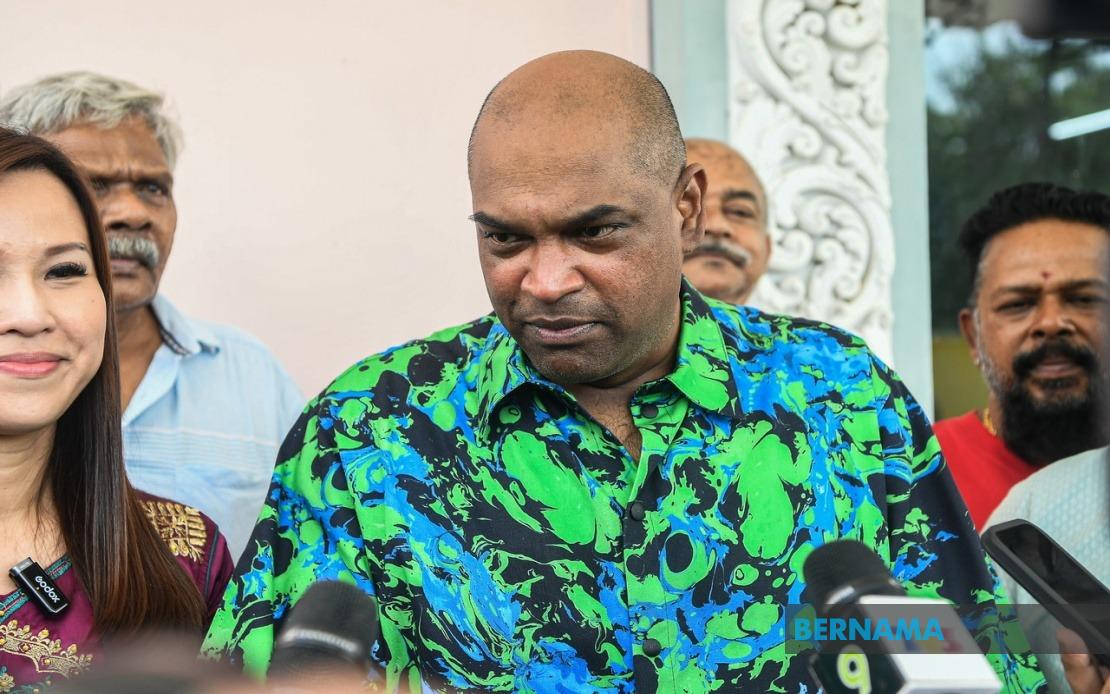
The Malaysian government has fundamentally altered its approach to the Non-Employment Injury Scheme (LINDUNG 24 Jam) administered by the Social Security Organisation (PERKESO), pivoting from mandatory participation to an optional model for domestic workers. Human Resource Minister Datuk Seri Ramanan Ramakrishnan announced the policy shift on July 9, which took effect immediately, signalling the government's responsiveness to widespread public concern about the scheme's compulsory nature.
The decision represents a significant policy reversal after PERKESO initially rolled out the LINDUNG 24 Jam coverage as a mandatory component of workers' social security protection. The scheme had been designed to provide accident and injury coverage during non-working hours and away from workplace settings, extending traditional employment-related protections to everyday activities. However, the mandatory requirement generated substantial resistance among Malaysian workers and employers, prompting the government to reconsider its implementation approach.
While local workers now enjoy flexibility in deciding whether to participate in LINDUNG 24 Jam based on their personal circumstances and requirements, foreign workers operating in Malaysia face a different regulatory framework. The mandatory status of contributions for migrant workers remains unchanged and continues to be enforced under existing legal provisions. This dual-track approach reflects the government's intention to maintain standardised social security protections for the nation's substantial foreign workforce whilst accommodating the preferences of Malaysian citizens.
Minister Ramanan explained that the Cabinet had weighed public opinion carefully before implementing the voluntary framework. The government recognised that individual workers face varying financial situations and risk assessments, making a uniform mandatory approach unsuitable across Malaysia's diverse workforce. By transitioning to an opt-in model, the administration has attempted to balance worker autonomy with continued access to protection for those who deem the coverage valuable.
PERKESO is expected to release detailed implementation procedures for voluntary participation in the coming weeks, outlining the administrative processes through which local workers can enrol in or decline the scheme. These operational guidelines will clarify enrollment deadlines, contribution structures, and the mechanisms through which workers can adjust their coverage status. The absence of a universally mandated contribution should simplify administrative burdens for employers managing payroll deductions, though it introduces complexity in tracking voluntary participants across Malaysia's fragmented employment landscape.
The minister acknowledged that despite its new voluntary status, LINDUNG 24 Jam remains a critical social safety initiative designed to protect workers against unexpected accidents and injuries occurring outside traditional employment contexts. The scheme extends coverage to mishaps during commuting, household activities, recreational pursuits, and other daily routines—circumstances not typically covered by standard employment injury provisions. For workers in hazardous occupations or those lacking alternative insurance protections, the scheme continues to offer meaningful financial safeguards against income disruption from accidents.
Recognising that voluntary schemes often suffer from lower uptake than mandatory programmes due to rational economic choices among workers prioritising immediate cash flow, the Human Resource Ministry has committed to a comprehensive policy review by year-end. This evaluation will examine the scheme's operational mechanisms, assess its practical effectiveness in protecting workers, analyse participation rates and demographic patterns, and determine whether the funding model remains sustainable under reduced contribution bases. The review's scope extends to fundamental questions about the scheme's long-term policy direction and its role within Malaysia's broader social security architecture.
Should the review identify significant gaps in coverage or sustainability concerns, the government has signalled its willingness to pursue legislative amendments to the Employees' Social Security Act 1969 (Act 4). Any proposed changes would require parliamentary consideration, ensuring that modifications to Malaysia's foundational employment protection legislation undergo proper democratic scrutiny and public debate. This commitment to potential legislative refinement demonstrates the government's recognition that initial policy design may require adjustment as real-world implementation reveals unanticipated challenges.
PERKESO has been tasked with intensifying public communication campaigns to educate Malaysian workers about the LINDUNG 24 Jam scheme's protective benefits and its relevance to their circumstances. Enhanced awareness initiatives become particularly important in a voluntary participation environment, where workers must make informed decisions about coverage. The organisation will need to counter misconceptions about the scheme's cost-benefit ratio and demonstrate how even workers in lower-risk occupations might benefit from comprehensive accident protection that extends beyond workplace incidents.
The policy modification carries implications for Malaysia's position on migrant worker protections within Southeast Asia. By maintaining mandatory LINDUNG 24 Jam contributions for foreign workers whilst relaxing requirements for citizens, Malaysia reinforces its commitment to standardised social safety nets for its foreign workforce—an approach that may be scrutinised by labour-exporting nations and international labour rights advocates. The differentiated treatment reflects practical concerns about workforce vulnerability and administration, though it also highlights ongoing debates about equitable treatment and the social protections owed to temporary residents.
For Malaysian businesses, particularly small and medium enterprises sensitive to employment costs, the shift to voluntary participation offers immediate payroll relief and reduced administrative complexity. However, employers may face pressure from workers regarding whether to recommend or facilitate LINDUNG 24 Jam enrollment, potentially creating workplace tensions around social security choices. The voluntary framework also introduces uncertainty about aggregate participation rates, making it difficult for both PERKESO and policymakers to project the scheme's long-term financial viability and coverage effectiveness.

