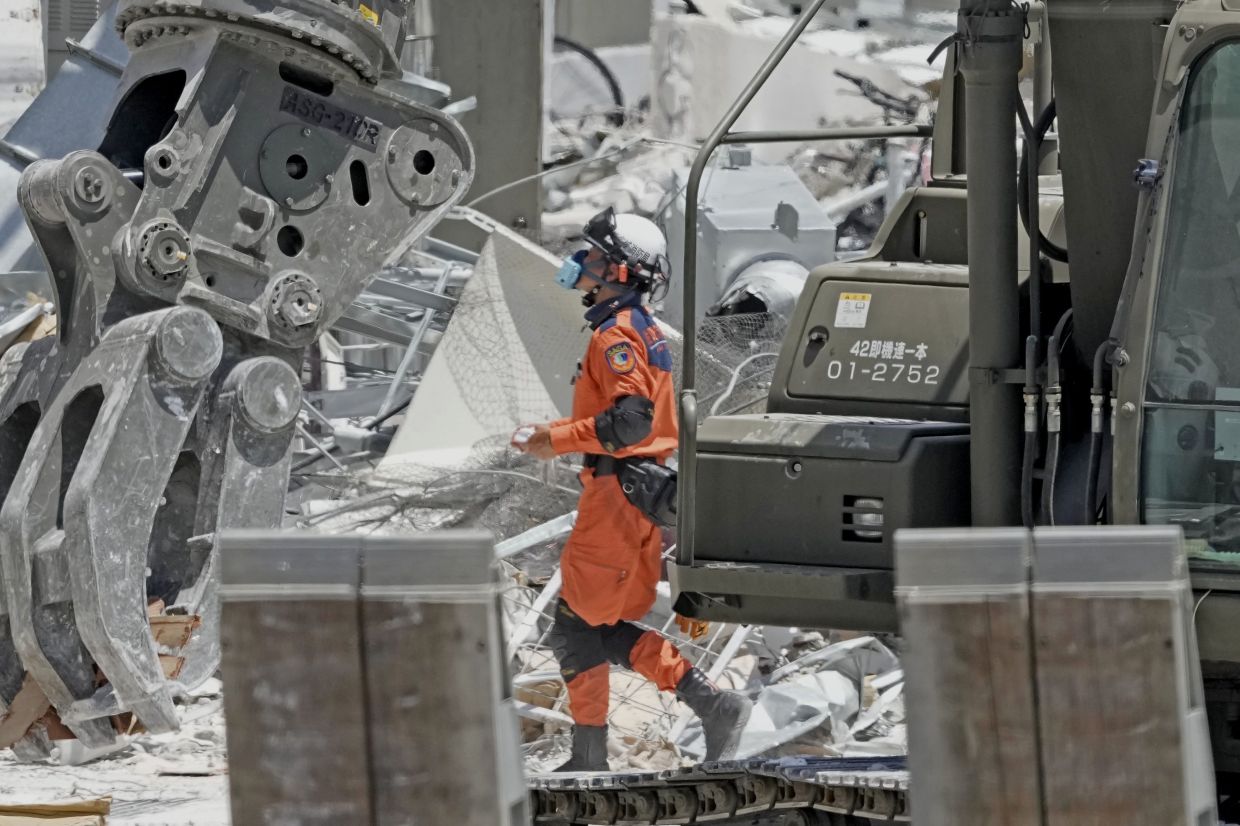
Japan's government has pinpointed a liquefied petroleum gas leak as the probable cause of a violent explosion that ripped through a shopping mall in Kumamoto Prefecture on July 28, killing three workers at retail outlets. The Economy, Trade and Industry Ministry announced its preliminary findings on August 5, narrowing the focus of investigators who had been examining multiple possible triggers in the aftermath of the incident, which struck just over an hour after a significant earthquake jolted the region.
The blast, which detonated at approximately 5.50pm, severely damaged the central section of the second floor on the mall's southern side, destroying retail spaces and causing considerable structural damage. The explosion's intensity underscored the volatile nature of the gas accumulation that had occurred within the building's confined spaces. Kumamoto prefectural police and fire officials who conducted searches of Aeon Mall Kumamoto reported detecting strong odours of gas throughout the building, a crucial indicator that guided investigators toward the LPG hypothesis as explanations took shape.
Aeon, the mall's operator, confirmed that liquefied petroleum gas serves multiple essential functions across the facility. The gas fuels cooking operations at restaurants positioned on the north side of the ground floor, operates the food court facilities on the east side of the second level, and powers the air conditioning systems that maintain comfortable conditions throughout the sprawling shopping complex. This widespread use of LPG across numerous tenants and systems created an intricate network of gas delivery infrastructure that, if compromised, posed significant safety risks.
The mall's gas supply system operates through a substantial storage tank containing 9,367 kilograms of LPG located on the premises. Gas from this reservoir feeds into the building via underground piping that branches into an elaborate web of distribution lines running through the floors and walls, reaching each restaurant, food court station, and air conditioning unit that depends on the fuel. This extensive network, while efficient during normal operations, created multiple potential points where leaks could develop, particularly if the infrastructure sustained damage from seismic activity.
Investigators believe the sequence of events that led to the explosion began with the earthquake on July 28. The seismic activity may have damaged or dislodged components within the gas distribution system, creating hairline fractures or separation points where pressurised gas could escape. Rather than leaking into the external environment where it would dissipate harmlessly, the escaped gas accumulated within the enclosed spaces of the mall's structure, building up behind walls, within cavities, and in sealed areas where air circulation was limited.
According to sources familiar with the investigation, the amount of LPG remaining in the main storage tank was measured at nearly normal levels, suggesting the tank itself had not ruptured catastrophically. This observation pointed investigators toward the secondary distribution system as the culprit. Gas that had escaped from the piping network running through the building's internal structures had likely accumulated over the 80-minute period following the earthquake, creating an increasingly explosive atmosphere within confined zones before igniting, possibly from an electrical spark or other ignition source that has not yet been conclusively identified.
The timing of the explosion—more than an hour after the earthquake—distinguishes this incident from immediate structural collapses or direct seismic damage scenarios. This delay indicates a process of gradual gas accumulation and environmental saturation that would have been invisible to building occupants and security personnel until the catastrophic moment of ignition. The extended interval also suggests that had proper gas detection systems been operational or had occupants been alerted to evacuate following the earthquake, the tragedy might have been prevented.
The investigation into the precise cause of the gas leak continues, with authorities examining whether the earthquake damaged specific pipe joints, valves, or connection points within the distribution network. Understanding exactly where and how the gas escaped from the system remains crucial for developing safety recommendations that could prevent similar incidents at other commercial buildings throughout Japan that rely on LPG for cooking and climate control operations.
For Malaysia and other Southeast Asian nations relying on similar LPG infrastructure in shopping malls, food courts, and commercial establishments, the Kumamoto incident offers important lessons regarding maintenance protocols, seismic safety for gas delivery systems, and the necessity of functional gas detection equipment in buildings with multiple LPG users. The tragedy highlights vulnerabilities that may exist in similar facilities across the region, particularly in earthquake-prone areas, and underscores the importance of regular inspections and updated safety standards for gas distribution networks in densely occupied commercial spaces.

