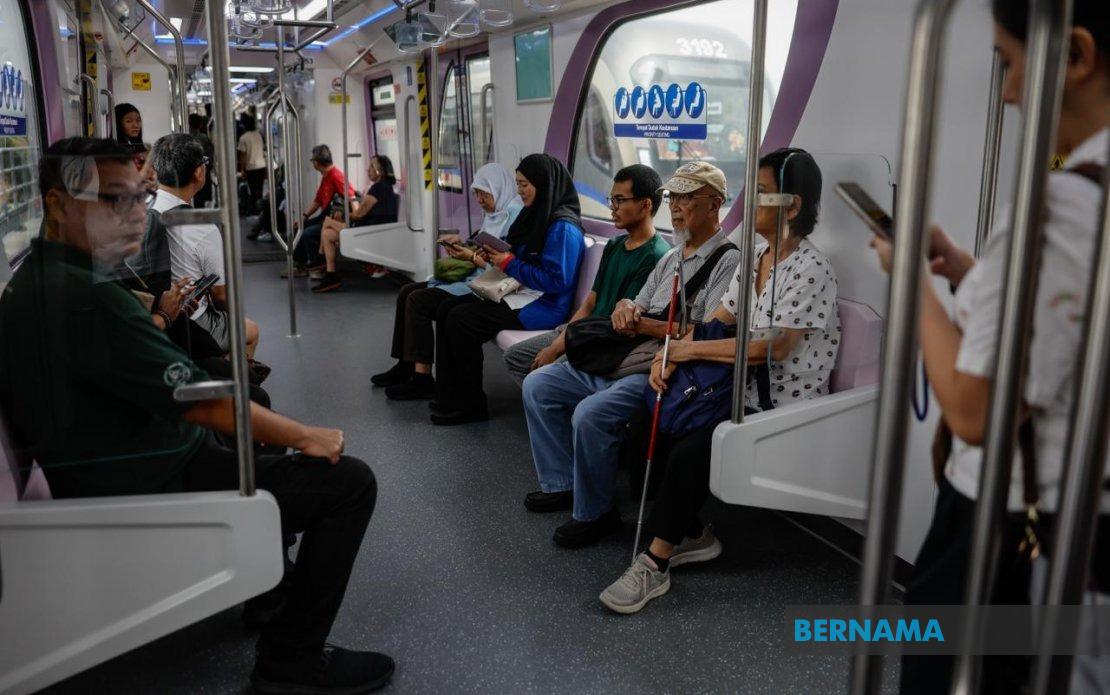
The LRT3 Shah Alam Line commenced operations on June 29 to an encouraging response from its initial wave of passengers, who broadly characterised the service as user-friendly and instrumental in streamlining travel across the Klang Valley. The RM16.63 billion infrastructure project represents a significant commitment by the government to modernise Malaysia's public transport ecosystem, yet the opening day also underscored the importance of continuous refinement to serve the full spectrum of commuters effectively.
Early patronage feedback reflected genuine appreciation for the operational quality and journey efficiency the new corridor delivers. Travellers highlighted the advantage of point-to-point connectivity, particularly between major nodes such as Bandar Utama and Glenmarie 2, which eliminates the need for intermediate transfers that characterised earlier travel patterns. For working professionals and students navigating the congested Selangor transport landscape, this directness translates into tangible time savings and reduced friction in daily commutes.
Visually impaired commuter Razlan Ibrahim, 40, who tested the line on its inaugural day, offered a nuanced assessment that captures both the service's strengths and avenues for improvement. His journey from Kajang to Glenmarie 2 station revealed that designers had thoughtfully integrated tactile pathways at key locations, particularly at Bandar Utama Station, where the guided tactile systems provide effective wayfinding to facilities including accessible toilets, prayer rooms, and lifts. This infrastructure represents a genuine advance in inclusive public transport design.
Yet Ibrahim's observations also highlighted a critical gap: the absence of comprehensive Braille signage at strategic points throughout the network. While the physical tactile systems excel at floor-level navigation, directional information and facility identification remain inadequately served for visually impaired users. The inconsistency between excellent mobility infrastructure and incomplete information accessibility underscores a broader lesson in inclusive design, where multiple disability categories require tailored solutions rather than one-size-fits-all approaches.
Private sector employee Samantha Fong, 26, articulated another constituency's preferences when she suggested that dedicated women-only coaches merit serious consideration for future phases of the service. Her observation reflects ongoing safety and comfort concerns that persist across public transport systems in Southeast Asia, where female passengers frequently cite crowding and harassment as deterrents to regular usage. While the LRT3 launch did not immediately incorporate such features, the feedback suggests demand exists for measures that might encourage broader female ridership.
Fong's broader assessment emphasised the practical value of time efficiency and journey simplicity, qualities that often determine whether commuters integrate new transport options into established routines. The absence of long waiting times during the opening day, combined with smooth operations, created a favourable first impression that could translate into sustained patronage once the initial novelty subsides.
Fellow commuter Rainchie Lee, 26, highlighted an underappreciated benefit of the one-month free-fare promotional period that Prime Minister Datuk Seri Anwar Ibrahim announced on June 28. By removing cost barriers through July 31, the initiative enables a broader cross-section of potential users—including students operating on tight budgets and workers evaluating transport options—to conduct genuine field assessments. This extended trial window allows commuters to move beyond initial impression to genuine conviction about whether the LRT3 represents a sustainable component of their travel ecosystem.
The complimentary fares extend to Prasarana Malaysia Berhad feeder bus services along the corridor, an important detail that recognises the multimodal reality of modern commuting. The integration of feeder connectivity acknowledges that few travellers live or work within immediate proximity of LRT stations, and seamless fare treatment across modes removes a friction point that might otherwise discourage adoption of the overall system.
The strategic positioning of the LRT3 Shah Alam Line within Malaysia's broader transport modernisation agenda reflects recognition of the critical role that public transit plays in managing Klang Valley congestion and supporting economic productivity. The RM16.63 billion investment, substantial by any measure, represents the government's commitment to infrastructure that extends beyond immediate revenue generation toward systemic benefits including reduced emissions, enhanced mobility equity, and better land-use integration.
The opening day feedback loop reveals the maturity with which Malaysian commuters approach new infrastructure, moving beyond reflexive enthusiasm to constructive criticism grounded in lived experience. Accessibility advocates did not reject the service but rather identified specific opportunities to enhance its functionality for marginalised user communities. This constructive engagement provides transport authorities with a clear roadmap for phased improvements that can strengthen the system's inclusivity without requiring wholesale redesign.
Looking forward, the LRT3's evolution will likely pivot on whether operators and government stakeholders act on early feedback with meaningful enhancements. Braille signage installation, women-only coach consideration, and continued monitoring for additional accessibility gaps represent relatively modest interventions that could significantly expand the network's reach. The degree to which such refinements proceed will signal whether the RM16.63 billion investment represents true commitment to universal access or whether accessibility remains peripheral to transport planning.
As commuters continue testing the LRT3 throughout July's extended free-fare period, their collective experience will generate a more robust evidence base for understanding the line's role within Klang Valley mobility patterns. The early enthusiasm tempered by specific improvement suggestions suggests that the system has launched on solid footing but remains a work in progress—a characterisation that applies to most major transport infrastructure during formative operational phases.

