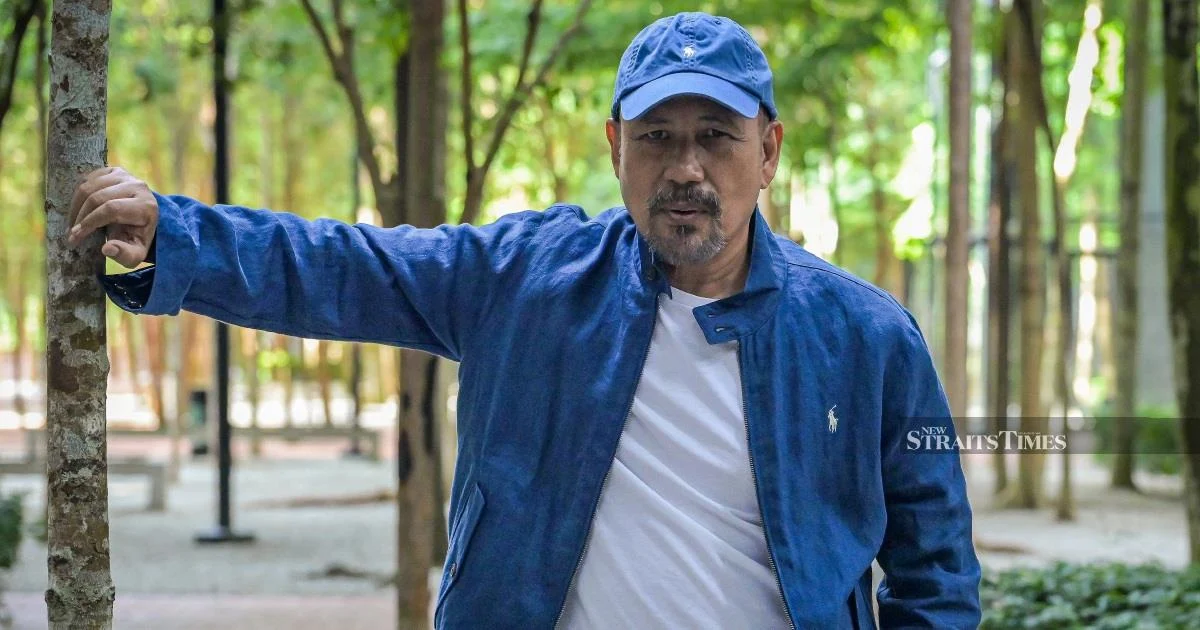
Celebrated composer and musician Datuk M. Nasir has initiated legal proceedings seeking RM5 million in damages from MyTeksi Sdn Bhd, the Malaysian entity of ride-hailing platform Grab, over claims that the company capitalised on his name and reputation without authorisation to market a beverage offering. The legendary artist, who has shaped Malaysian popular music for decades, has maintained considerable discretion about the specifics of the dispute, preferring to allow the legal process to unfold rather than engage in public commentary.
The core of M. Nasir's grievance centres on what he characterises as an infringement of his intellectual and moral rights. By channelling his complaint through formal litigation rather than the media spotlight, the musician is emphasising that this represents a principled stand regarding personal autonomy and the protection of one's identity in commercial contexts. The nature of such disputes reflects broader questions about how corporations may leverage public figures' names and personas, particularly when the individual involved has not granted consent or received compensation.
MyTeksi's operations in Malaysia have expanded well beyond its original ride-hailing function into ancillary services and product offerings. The company's diversification strategy has evidently included beverage promotion, though the specific product and marketing channels through which M. Nasir's name was allegedly utilised remain matters for courtroom examination. The lawsuit underscores emerging tensions between digital economy enterprises and established public personalities regarding brand usage rights and commercial boundaries.
For musicians and entertainers of M. Nasir's stature in Malaysia, protecting one's name and image from unauthorised commercial exploitation represents not merely a financial concern but a matter of professional integrity and legacy. An artist's endorsement power carries weight precisely because it reflects their personal judgment and values. When that endorsement is simulated without permission, it fundamentally compromises the authenticity that makes such associations valuable to consumers and damaging to the individual concerned.
The RM5 million quantum sought in damages suggests M. Nasir and his legal team have calculated the reputational and commercial harm flowing from the alleged misuse. This figure may account for potential lost endorsement opportunities, damage to his carefully cultivated public image, and the precedent-setting implications of allowing such practices to proceed unchallenged. In Malaysia's entertainment landscape, where personal branding increasingly intersects with commercial ventures, the outcome of this case could carry implications beyond the immediate parties involved.
The decision to pursue formal legal action rather than settle discreetly indicates M. Nasir's determination to establish clear boundaries regarding his intellectual property rights. This approach also potentially serves an educational function within the business community, signalling that Malaysian public figures will not passively tolerate unauthorised commercial associations. Such litigation can reshape corporate practices, encouraging companies to implement proper clearance and consent protocols before linking public personalities to products or services.
Grab Malaysia, as a major operating entity in Southeast Asia's digital economy, faces scrutiny over its operational practices and governance standards. For a company of its scale and market prominence, implementing rigorous verification procedures before deploying a public figure's name in marketing campaigns should constitute basic operational protocol. The allegation that such a fundamental step was overlooked raises questions about internal compliance mechanisms and whether cost-cutting or expedited marketing timelines may have compromised due diligence processes.
The entertainment industry in Malaysia has historically seen few high-profile legal confrontations over unauthorised name usage, though such disputes are common internationally. This case may catalyse greater awareness among Malaysian companies regarding intellectual property risks and encourage entertainment lawyers to advise clients more proactively about protecting their names and likenesses in an increasingly commercialised digital environment.
M. Nasir's refusal to elaborate extensively on the matter publicly reflects a sophisticated understanding of litigation strategy. Public commentary by either party could prejudice legal proceedings, influence jury perception, or complicate settlement negotiations. By maintaining professional silence while pursuing the claim through appropriate legal channels, the musician signals confidence in his case's merits and respect for the judicial process.
The broader significance of this dispute extends to questions about corporate accountability in Malaysia's rapidly evolving digital economy. As ride-hailing platforms and similar companies increasingly venture into adjacent business sectors, regulatory oversight and consumer expectations regarding ethical practices gain greater importance. This lawsuit may prompt broader examination of how companies that harvest extensive consumer data and operate across diverse product categories manage intellectual property concerns and individual rights protection.
For Malaysian entertainment figures observing this case, it establishes practical precedent regarding remedies available when unauthorised commercial endorsements occur. The litigation sends a clear message that such practices carry legal and financial consequences, potentially deterring similar future incidents and strengthening protections for creative professionals' commercial interests.
As the case progresses through Malaysia's court system, it will likely generate significant discussion within entertainment, legal, and business circles about the boundaries of corporate marketing practices and the enforceability of individuals' rights to control their own commercial associations. The outcome could meaningfully influence how Malaysian companies approach celebrity endorsements and public figure associations moving forward, establishing clearer standards for consent, compensation, and intellectual property respect.

