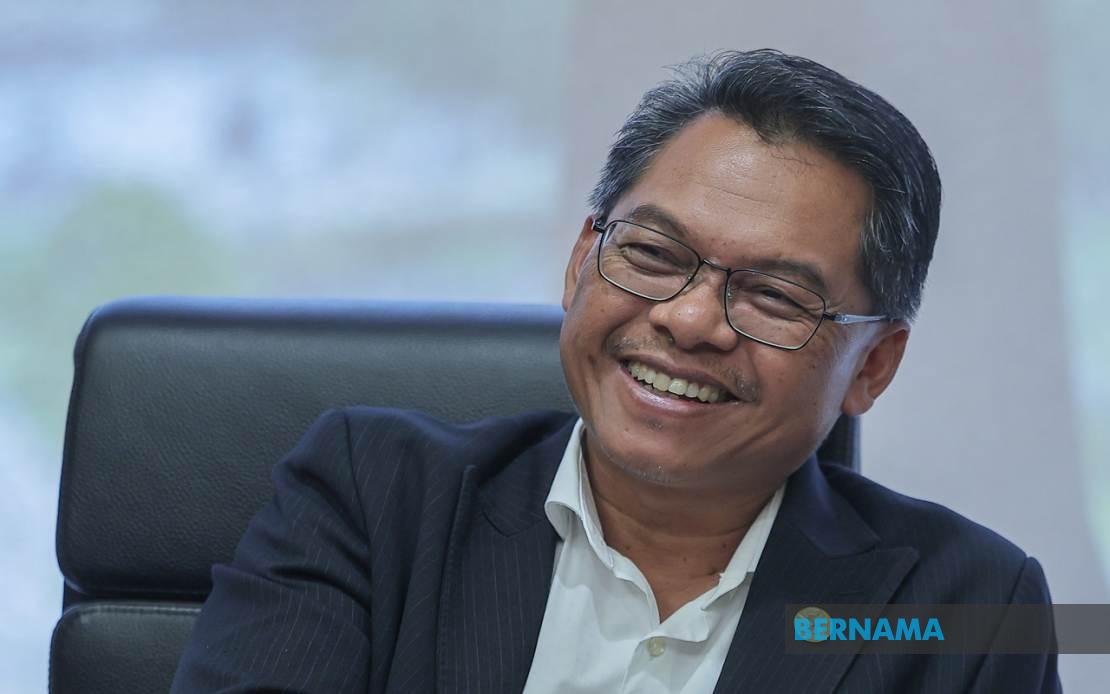
The Technical Committee overseeing Malaysia Agreement 1963 implementation has escalated pressure on the federal government to move swiftly on outstanding commitments affecting Sabah and Sarawak, reflecting growing urgency around honouring decades-old constitutional obligations. At a meeting chaired by Minister in the Prime Minister's Department (Sabah and Sarawak) Datuk Mustapha Sakmud, the committee directed all relevant ministries and agencies to prioritise the resolution of unresolved MA63 issues, with the goal of accelerating their implementation across various sectors. The directive comes as Prime Minister Datuk Seri Anwar Ibrahim prepares to convene the broader MA63 Implementation Action Council next month, suggesting that senior leadership will assess progress and potentially unlock resources or political backing for stalled initiatives.
The Malaysia Agreement 1963 remains one of the most symbolically significant but operationally contested federal compacts in Malaysian history. Signed in 1963 when Sabah and Sarawak joined the Federation, the agreement granted the two East Malaysian states substantial autonomy in domestic affairs, control over immigration, and commitments regarding resource allocation and governance structures. Decades of perceived federal encroachment and inadequate implementation have fuelled periodic tensions with state governments and communities in both territories. The technical committee's latest intervention suggests that the current federal administration views resolving these grievances as strategically important, whether for maintaining political stability in the east or for strengthening confidence in federal-state relations.
During the meeting, committee members reviewed the latest implementation status and assessed progress across multiple MA63-related matters, providing Mustapha with material to brief the Prime Minister ahead of the full council session. The agenda encompassed several policy domains that touch directly on Sabah and Sarawak's constitutional standing and quality of life. Discussion centred on Borneonisation of the public service, an initiative aimed at increasing local recruitment and career advancement in federal agencies operating in the two states. This remains contentious because federal service structures have historically favoured peninsular-based recruitment and promotion pathways, limiting opportunities for talented East Malaysians and contributing to a perception that key decisions affecting the region are made without adequate local representation.
Healthcare infrastructure and service equity featured prominently in the committee's deliberations. Sabah and Sarawak have long complained of gaps in medical provision, specialist availability, and health infrastructure investment compared with peninsular standards. The vast geographic terrain, dispersed populations, and higher cost of operations in remote areas make health service delivery particularly challenging. Federal commitment to bridging these gaps would require sustained funding, rational planning, and willingness to deploy resources to areas with lower population density and financial returns. The technical committee's focus on this issue signals recognition that the disparity is both real and politically significant.
Education sector strengthening also formed part of the strategic discussion. Quality education access, teacher recruitment and retention, curriculum alignment with regional economic opportunities, and higher education infrastructure have all been areas where East Malaysian states argue they receive proportionally less investment. A federal push to upgrade the education sector would support workforce development and address demographic trends affecting the region's competitiveness.
Musapha emphasised that the committee's sustained engagement through working groups and technical forums has produced tangible results grounded in consensus, trust, and mutual respect between federal and state administrations. This framing is noteworthy because it repositions MA63 implementation from a contentious legal dispute into a collaborative governance exercise. By characterising progress as the product of dialogue rather than federal diktat or state demands, the government attempts to depoliticise the process and build Buy-in from stakeholders across the political spectrum. However, such language can also mask ongoing disagreements about pace, adequacy of funding, and the extent to which genuine devolution of power is occurring.
Two recent achievements were highlighted as evidence of the MADANI Government's commitment to MA63 renewal. Sabah's Special Grant under Article 112D of the Federal Constitution was increased to RM1.5 billion in the current financial year, representing a tangible commitment to supplementing state revenue streams. The formula-based Special Grant has long been seen as insufficient relative to Sabah's development needs and the tax revenue it generates for the federal government. The increase, while symbolic, addresses one of the most straightforward MA63 grievances and provides immediate benefit to the state government's fiscal capacity.
The successful transfer of Bintulu Port to Sarawak government control on July 21 represents a different but equally significant win. Ports are strategic economic assets that generate revenue, control logistics corridors, and embody state authority over commerce and infrastructure. Returning Bintulu Port to Sarawak represents recognition of port management rights and potential revenue streams that should rightfully accrue to the state. The transfer also reinforces Sarawak's capacity for autonomous economic management and demonstrates federal willingness to relinquish operational control of assets that were previously centralised.
Musapha's concluding statement characterised these achievements as evidence that MA63 implementation under the current administration is not merely fulfilling historic obligations but evolving to meet contemporary needs and aspirations. This framing attempts to rebrand MA63 from a restrictive historical agreement into a living framework capable of adaptation and growth. Whether this reflects genuine evolution in federal-state relations or rhetorical repositioning will likely become clearer as the Prime Minister's council meeting unfolds and as implementation timelines are tested against political and fiscal realities.
For Malaysian readers, particularly those in Sabah and Sarawak, the accelerated timeline signals that higher-level political attention is being devoted to MA63. Whether this translates into sustained momentum or another cycle of announcements followed by bureaucratic delays remains uncertain. The involvement of the Prime Minister's office suggests serious intent, yet the committee's need to direct ministries to prioritise outstanding issues also indicates that implementation has been inconsistent or sluggish. The next month will be critical in determining whether the August technical committee session was a turning point or merely another checkpoint in a longer, more uncertain process.

