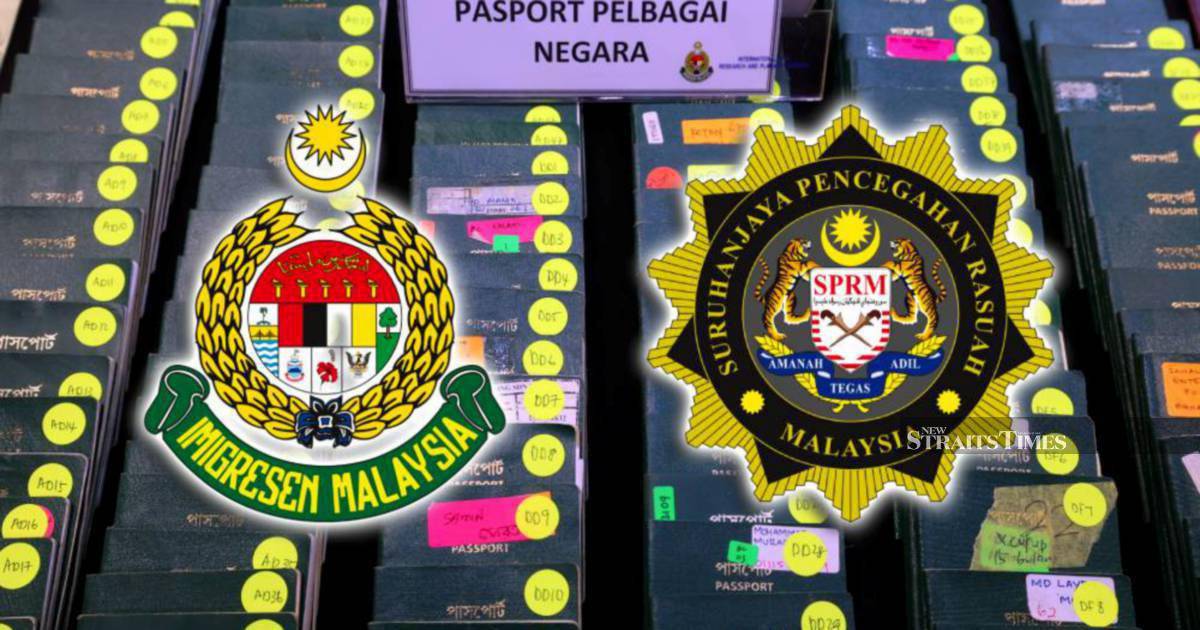
Authorities in Putrajaya have successfully dismantled a sophisticated criminal operation that exploited vulnerabilities in Malaysia's immigration database to manufacture counterfeit employment documents. The Malaysian Anti-Corruption Commission and the Immigration Department coordinated their efforts in taking down the network, which had been systematically hacking into the Malaysian Immigration System to generate fraudulent Temporary Employment Visit Passes.
The discovery of this breach represents a serious compromise of Malaysia's border security and labour migration controls. The syndicate's ability to manipulate MyIMMs—the digitised backbone of Malaysia's immigration administration—suggests vulnerabilities in both the technical infrastructure and procedural oversight that have allowed illicit actors to operate with impunity. Such weaknesses could have broader implications for the integrity of all documents processed through the system, from tourist visas to permanent residence approvals.
The investigation uncovered an operation designed to process and approve fake work permits for foreign nationals seeking employment in Malaysia without undergoing proper vetting procedures. By infiltrating the MyIMMs platform, syndicate members could bypass standard security checks and labour market assessments that exist to protect Malaysian workers and employers alike. This allowed unqualified or potentially problematic foreign workers to obtain legal-appearing credentials, undermining the credibility of Malaysia's employment verification system.
Temporary Employment Visit Passes serve a critical function in Malaysia's economy, enabling legitimate temporary workers to fill skills gaps in sectors ranging from manufacturing to hospitality. The fraudulent approval process compromised this legitimate pathway by flooding the market with workers who lacked proper documentation, background checks, or qualifications. This exploitation creates unfair competition for genuinely approved foreign workers and potentially exposes Malaysian businesses to regulatory and reputational risks by inadvertently employing undocumented workers.
For Malaysian employers and workers, the breach carries substantial implications. Companies that unknowingly hired workers with forged permits now face potential legal liability and operational disruption if those individuals cannot legally remain in the country. Genuine migrant workers with legitimate permits also suffer from association with fraudulent schemes, as increased scrutiny inevitably follows such discoveries. The broader business community must now grapple with increased verification burdens and heightened vigilance when recruiting from foreign labour markets.
The operation also points to deeper concerns about corruption within immigration administration itself. That such a scheme could operate suggests either insider involvement or a catastrophic failure of access controls within the MyIMMs infrastructure. The involvement of the MACC alongside the Immigration Department indicates suspicions that corruption and bribery may have enabled the hack, with departmental officials potentially facilitating or turning a blind eye to the fraudulent activity.
Malaysia has faced recurring challenges with labour trafficking, document fraud, and irregular migration. Foreign workers remain vulnerable to exploitation due to their marginal legal status, making them susceptible to traffickers who may have utilised the fake permits system to place victims in exploitative situations. The dismantling of this syndicate may therefore have prevented untold human suffering beyond the straightforward immigration violations involved.
From a regional perspective, Malaysia's experience mirrors challenges facing other Southeast Asian nations managing large migrant worker populations. Thailand, Singapore, and the Philippines have all encountered similar issues with fraudulent employment documentation and compromised immigration databases. The incident underscores the need for stronger cybersecurity protocols across ASEAN countries' immigration and labour systems, as digital infrastructure supporting cross-border movement becomes an increasingly lucrative target for criminal networks.
The investigation's success reflects growing sophistication in Malaysia's law enforcement approach to financial crime and institutional corruption. By deploying the MACC's expertise in corruption detection alongside the Immigration Department's domain knowledge, authorities demonstrated an integrated approach to tackling criminal syndicates that exploit government systems. This collaborative model may become essential as organised crime increasingly targets digitalised government infrastructure.
The digital nature of the breach also raises questions about Malaysia's readiness for evolving cyber threats. As government services become progressively digitised through initiatives like MyIMMs, protecting these platforms from sophisticated hacking becomes imperative. The incident should trigger comprehensive security audits of other critical government systems, particularly those involving border security, revenue collection, and social benefits distribution.
Going forward, Malaysia will likely implement enhanced authentication protocols, regular security testing, and stricter access management within MyIMMs. These improvements must balance security with operational efficiency, ensuring the system continues serving legitimate purposes while preventing exploitation. Additionally, inter-agency collaboration between immigration, law enforcement, and cybersecurity specialists will become essential for identifying and neutralising emerging threats to migration administration.
The syndicate's dismantling sends an important signal that Malaysia takes immigration fraud seriously, yet it also reveals gaps that required years of illicit activity to expose and correct. As investigations continue into the operation's full scope, implications for Malaysia's labour market and security profile will likely become clearer, potentially reshaping how the government manages temporary foreign worker programmes and protects its digital immigration infrastructure.

