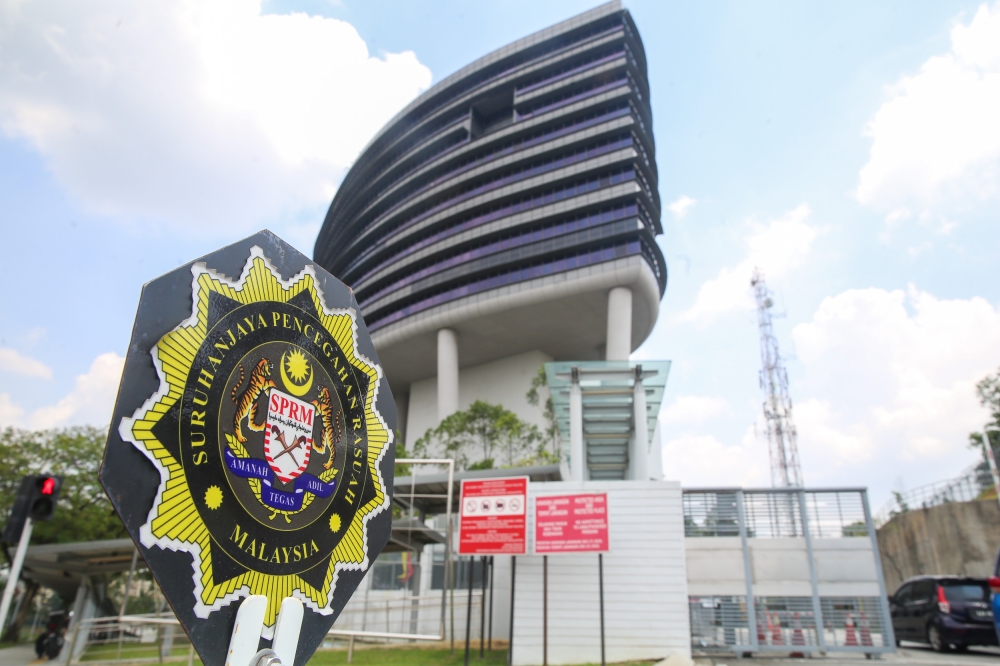
The Malaysian Anti-Corruption Commission (MACC) has expanded its investigation into the MyIMMs system breach by detaining five further immigration officers, signalling a widening inquiry into what authorities believe was systematic unauthorised access to Malaysia's critical immigration database. The arrests, made in Putrajaya, represent an escalation in the probe that has already ensnared multiple officers, suggesting the scope of the security compromise may be considerably more extensive than initially understood.
MyIMMs, Malaysia's integrated online immigration management system, serves as the central platform through which travellers and residents interact with immigration authorities. The system processes visa applications, manages entry and exit records, and handles sensitive personal data for millions of individuals. Unauthorised access to such a database poses significant risks not only to individual privacy but also to national security, as the information contained within could be exploited for fraudulent purposes, identity theft, or surveillance.
The decision to pursue additional arrests indicates that MACC investigators have identified patterns of improper system access extending beyond isolated incidents. Immigration officers with legitimate access credentials appear to have used their positions to facilitate unauthorised queries or data retrieval, potentially in exchange for payment or other considerations. This type of insider threat represents one of the most difficult security challenges for government agencies to detect and prevent, as it exploits the very access controls designed to protect sensitive systems.
The timing of these arrests comes amid broader scrutiny of governance standards within Malaysia's public service. Over recent years, several high-profile cases have highlighted vulnerabilities in how government agencies protect digital infrastructure and sensitive personal information. The MyIMMs breach represents a particularly acute concern because immigration data touches virtually every Malaysian citizen and countless foreign visitors, making the potential impact of any compromise substantially greater than breaches affecting more limited systems.
For Malaysian citizens and residents, the revelations raise important questions about personal data security. Individuals whose records have been accessed without authorisation face potential risks including fraudulent use of identity information, unauthorised travel document issuance, or exposure of sensitive biographical details. The government has faced mounting pressure to clarify what safeguards remain in place to protect users and to implement stronger authentication protocols that might prevent similar abuses in future.
The investigation's expansion also carries implications for immigration processing efficiency. Enhanced security measures and potential disciplinary actions against immigration officers may create short-term disruptions to service delivery at a time when Malaysia is actively promoting itself as a destination for skilled migration and international tourism. Any perception that the immigration system is compromised could deter business travellers and investors during a period when these flows are critical to economic recovery.
From a regional perspective, this incident highlights shared vulnerabilities across Southeast Asia's digital infrastructure. Many countries in the region operate similar integrated government systems that rely heavily on officer integrity and basic cybersecurity protocols. The MyIMMs breach may prompt neighbouring governments to conduct urgent audits of their own immigration databases and authentication systems, potentially leading to coordinated regional efforts to strengthen border management systems against insider threats.
The MACC's investigation methodology and the scale of arrests suggest authorities are treating this as a systemic corruption issue rather than isolated misconduct by rogue officers. This approach indicates that supervisory controls within the Immigration Department may have been inadequate to detect and prevent repeated unauthorised access over an extended period. Questions will inevitably emerge about management oversight, system audit capabilities, and whether adequate whistleblower protections existed for officers who might have detected suspicious activity among colleagues.
Beyond the immediate security concerns, this case underscores the critical importance of regular security training and ethical instruction for public servants handling sensitive systems. Many government officers may not fully appreciate the consequences of allowing their access credentials to be misused or of conducting unauthorised searches out of curiosity or for personal benefit. Establishing a stronger culture of data stewardship and information security awareness throughout government agencies remains essential to preventing similar breaches.
The arrests also raise questions about what triggered the investigation and whether the breach was detected through routine auditing procedures or only became apparent after external complaints or suspicious activities were reported. The transparency with which authorities handle these findings will significantly influence public confidence in government digital systems. Malaysians need clear communication about what data was compromised, how long unauthorised access persisted, and what steps are being taken to prevent recurrence.
Moving forward, the incident will likely accelerate discussions within Malaysia's government about implementing more sophisticated digital security measures, including enhanced logging and monitoring of database access, multi-factor authentication requirements, and regular independent audits of high-risk systems. The MyIMMs system's role in national security and commerce makes it impossible to ignore the need for investment in both technical safeguards and personnel management practices that minimise insider risks.

