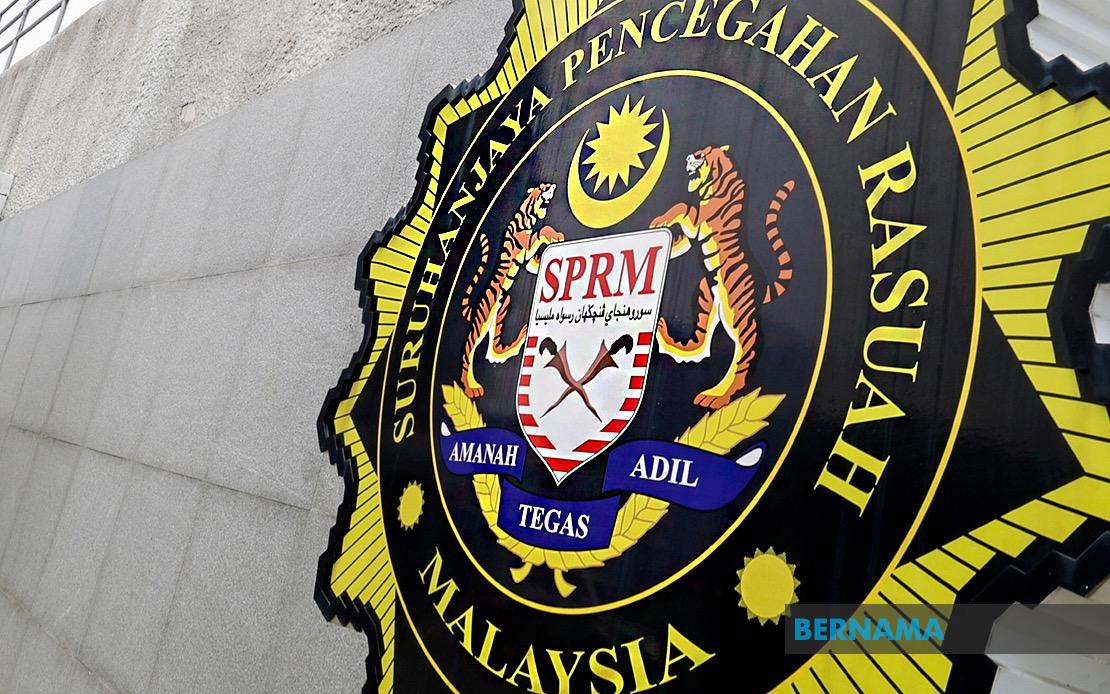
The Malaysian Anti-Corruption Commission is advancing its capacity to combat sophisticated digital fraud and evidence tampering by sending specialists to international training programs designed to detect artificially manipulated content. The initiative reflects growing recognition across Southeast Asia that as criminals and corrupt actors increasingly exploit deepfake and AI technologies, law enforcement agencies must develop corresponding expertise to maintain the integrity of investigations and prosecutions.
The MACC's Technology Forensic Division recently completed a four-day intensive course in Trieste, Italy, focusing on the Amped Authenticate platform—a globally recognised suite of tools used by forensic laboratories worldwide to verify the authenticity of digital materials. This training represents a deliberate investment in institutional capability building, ensuring that Malaysia's premier anti-corruption agency can credibly challenge manipulated evidence in complex investigations and successfully prosecute cases that depend on digital proof.
The challenge of distinguishing genuine digital evidence from fabricated or altered versions has become acute in Malaysia and throughout the region. As smartphones, cameras, and video recording devices proliferate, and as artificial intelligence techniques for creating convincing synthetic media become more accessible, investigators face mounting difficulty in establishing whether photographs, videos, and audio recordings are authentic. Without proper forensic tools and training, even sophisticated investigators risk being misled by high-quality deepfakes or subtle digital alterations that casual examination might not reveal.
The Amped Authenticate training curriculum addresses this vulnerability through comprehensive instruction in multiple overlapping verification techniques. Participants learn metadata analysis—examining the digital tags embedded in image and video files that record creation dates, camera models, and modification histories. They master camera fingerprinting, a technique that identifies the unique sensor characteristics of specific devices, allowing analysts to determine whether an image actually originated from the camera claimed in its metadata. The course covers image editing detection methods that reveal telltale signs of manipulation, such as inconsistent compression patterns or unnatural transitions between edited regions and original content.
Beyond visual inspection and metadata verification, the training equips officers with advanced statistical methodologies grounded in peer-reviewed science. Photo Response Non-Uniformity analysis, or PRNU, exploits the reality that every digital camera sensor contains microscopic manufacturing variations creating a distinctive noise signature in every photograph it captures. By extracting and comparing these signatures, analysts can establish whether multiple images genuinely came from the same device. JPEG Dimples analysis examines quantisation patterns in compressed images to detect manipulation. Shadow and reflection analysis applies geometric principles to determine whether lighting and reflections within an image are physically consistent with the claimed scene.
The deepfake detection methods represent perhaps the most urgent frontier in digital forensics. As AI systems like generative adversarial networks improve at creating synthetic facial expressions, speech patterns, and body movements, the distinction between real and manufactured video content becomes increasingly subtle. The Amped Authenticate platform incorporates detection mechanisms that identify artefacts—tiny inconsistencies in rendering, eye movement, or facial texture—that reveal artificial generation. For the MACC, such capabilities are essential for investigating corruption cases where perpetrators might attempt to discredit witnesses or exculpatory evidence by introducing synthetic video purporting to show misconduct that never occurred.
The international recognition and scientific standards underpinning these methodologies carry particular significance for Malaysian courts and prosecutors. Reports generated using Amped Authenticate comply with ISO/IEC 17025 certification standards, the international benchmark for forensic laboratory quality management. This compliance means that Malaysian forensic analysts trained in these techniques can present evidence in court with the backing of globally accepted scientific rigor. The Evidence Act 1950 establishes the framework within which digital evidence must be admissible, and officers trained to transparent, scientifically defensible methodologies can testify as expert witnesses with substantially stronger legal positioning.
The participation of Technology Forensic Division Director Wan Zulkifli Wan Jusoh, Putrajaya MACC Director Mohd Shahril Che Saad, and BFT officers Dr Syah Reezal Md Bashah and Muhamad Khairi Mohamad Dain reflects institutional commitment at senior levels. Their attendance and subsequent knowledge transfer across the division will multiply the impact of the training, enabling the entire unit to upgrade investigative standards. This approach ensures that the MACC does not rely on isolated expertise but rather builds institutional capacity resilient to staff turnover.
The timing of this initiative proves strategically sound. Corruption investigations increasingly incorporate digital evidence—from financial transaction records to communications and surveillance materials. As corrupt officials grow more sophisticated, they may attempt to plant false digital evidence or fabricate materials to deflect suspicion. Simultaneously, the proliferation of deepfake and AI-generation technologies makes such manipulation technically accessible to sophisticated actors. Without forensic expertise to expose such tactics, the MACC risks being outmanoeuvred by determined adversaries.
For Malaysian business and civil society, this capability enhancement carries broader implications. Integrity in investigations underpins confidence in commercial contracts, regulatory enforcement, and public administration. When courts and enforcement agencies can reliably distinguish authentic evidence from manipulation, they strengthen rule of law and reduce incentives for sophisticated fraud. Investors and entrepreneurs can trust that investigations rest on solid ground, and public officials face genuine consequences for misconduct.
The regional dimension should not be overlooked. Southeast Asian countries face similar challenges from transnational corruption, money laundering, and sophisticated fraud networks that exploit cross-border ambiguity and digital evidence vulnerabilities. Malaysia's investment in world-class digital forensics expertise positions it as a potential centre of excellence for the region, potentially supporting cooperation with law enforcement in neighbouring countries investigating complex transnational cases. Knowledge transfer and technical cooperation among ASEAN nations on digital forensic standards could enhance collective investigative capability.
The MACC's initiative also signals institutional maturity in recognising that combating corruption in the modern era requires continuously upgrading technical capacity. Corruption does not remain static; corrupt actors adapt to new technologies and refine their methods. Forensic agencies that fail to evolve accordingly risk becoming ineffective against increasingly sophisticated perpetrators. By proactively investing in cutting-edge training and technology, the MACC demonstrates commitment to remaining an effective institutional check on abuse of power and betrayal of public trust.
As artificial intelligence and digital manipulation technologies advance at rapid pace, the necessity for law enforcement agencies to maintain comparable expertise in detection and verification will only intensify. The MACC's participation in the Amped Authenticate program represents a significant step forward, but sustained investment in ongoing training, equipment upgrades, and research will prove essential to maintaining investigative effectiveness in the years ahead.

