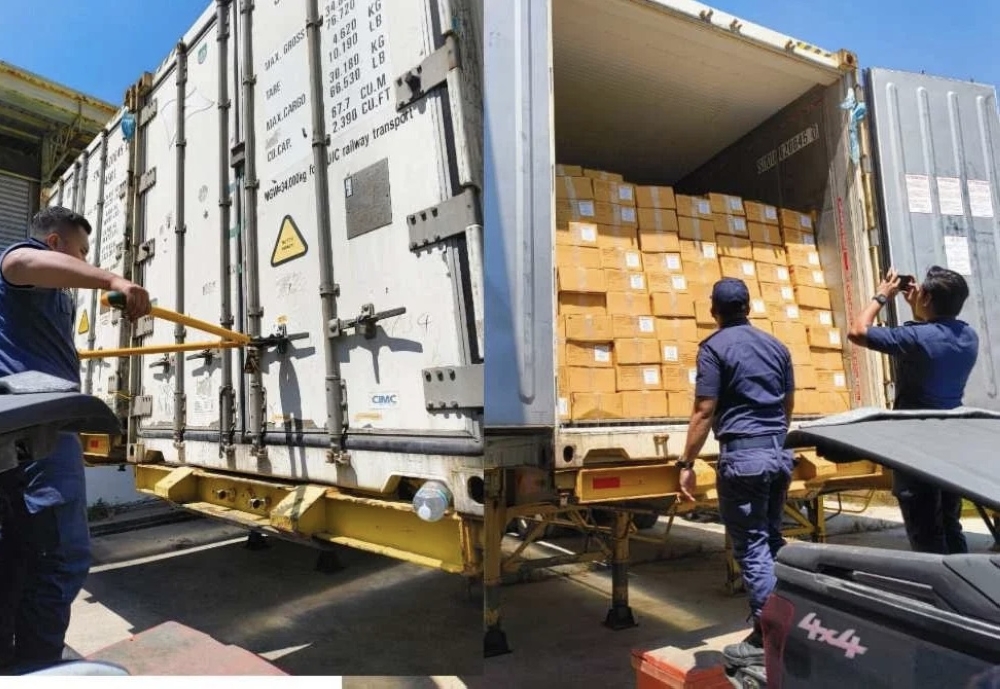
The Malaysian Anti-Corruption Commission (MACC) has successfully dismantled a criminal syndicate engaged in the illicit importation of frozen chicken from China into Sabah, marking another significant enforcement action against contraband food products entering Malaysian markets. Three individuals have been taken into custody as part of Operation Chick, signalling intensified regulatory crackdowns on unlicensed food imports that bypass official customs and health screening procedures.
The operation represents a critical intervention in supply chain integrity, addressing vulnerabilities in Sabah's border control mechanisms where organised smuggling networks have previously exploited logistical gaps. Frozen poultry products entering through unofficial channels circumvent mandatory health inspections conducted by the Veterinary Services Division and the Ministry of Domestic Trade and Cost of Living, creating substantial public health risks. The MACC's involvement indicates that corruption facilitating these operations—potentially including collusion with customs or port officials—forms a central element of the investigation.
Unlicensed food imports, particularly from international suppliers operating outside certified supply chains, pose multiple hazards to consumers. Products lacking proper documentation cannot be verified for compliance with Malaysian food safety standards, including pathogen screening, chemical residue limits, and antibiotic usage protocols. The poultry sector has faced recurring smuggling challenges, as frozen chicken represents a high-demand commodity with substantial price differentials between legal and black market channels, incentivising criminal networks to exploit regulatory loopholes.
Sabah's geographic position as a maritime border state makes it particularly vulnerable to smuggling operations. The state's extensive coastline and multiple entry points create enforcement challenges that organised syndicates routinely exploit to move contraband goods inland toward peninsular markets. Previous operations have identified similar networks moving various prohibited or unlicensed commodities through Sabah's ports and coastal zones, suggesting systematic vulnerabilities in customs infrastructure that warrant comprehensive policy review.
The detention of three suspects allows investigators to trace operational networks, financial flows, and potential complicity within government agencies. MACC's investigation methodology typically extends beyond the immediate perpetrators to identify corruption facilitators—officials who may have accepted bribes to overlook documentation irregularities or expedite clearance of suspicious shipments. Such discoveries often lead to secondary investigations affecting port management and customs personnel, demonstrating how food smuggling interconnects with broader corruption ecosystems.
Malaysia's domestic poultry industry faces significant pressure from unlicensed imports that undercut legitimate producers operating under strict biosecurity and welfare standards. Farmers maintaining licensed facilities incur substantial compliance costs for disease prevention, medication protocols, and facility standards that unlicensed importers avoid entirely. The proliferation of contraband products dampens market prices for legitimate producers while exposing consumers to unverified health risks—a dynamic that particularly affects lower-income households purchasing cheaper black market poultry.
Regional food security considerations amplify the significance of such enforcement actions. Southeast Asian markets, including Malaysia, have experienced recurring disease outbreaks linked to poultry products, emphasising the critical importance of verified supply chains. Illegal imports from any source, regardless of origin country, represent potential vectors for introducing pathogens or compromised products that could trigger public health emergencies affecting broader populations and institutional confidence in food safety systems.
The MACC's intervention reflects evolving enforcement strategies recognising that food smuggling operations fundamentally depend on corruption to function. Unlike traditional commercial fraud investigations, contraband food operations require systematic corruption—customs officials accepting payments to expedite clearance, port personnel overlooking documentation deficiencies, or transport authorities failing to inspect suspect shipments. By treating smuggling as a corruption issue rather than purely a customs matter, the MACC applies investigative powers and prosecutorial frameworks specifically designed to pursue officials implicated in facilitating illegal operations.
Stakeholders across Malaysia's food industry and regulatory apparatus will monitor the investigation's progression and the specific charges filed against detained individuals. Outcomes may influence how authorities coordinate between MACC, customs agencies, veterinary services, and port authorities in combating organised food smuggling. Enhanced inter-agency intelligence sharing and joint task forces have demonstrated effectiveness in previous operations, potentially informing broader strategic responses to unlicensed import networks.
The operation underscores persistent challenges in securing Malaysia's borders against organised commercial smuggling. While individual enforcement actions generate headlines, systemic solutions require sustained investment in customs infrastructure, intelligence capabilities, and personnel training. Sabah, as a primary entry point for contraband goods, warrants particular policy attention regarding port security modernisation and inter-agency coordination mechanisms designed to prevent future operations exploiting existing regulatory vulnerabilities.

