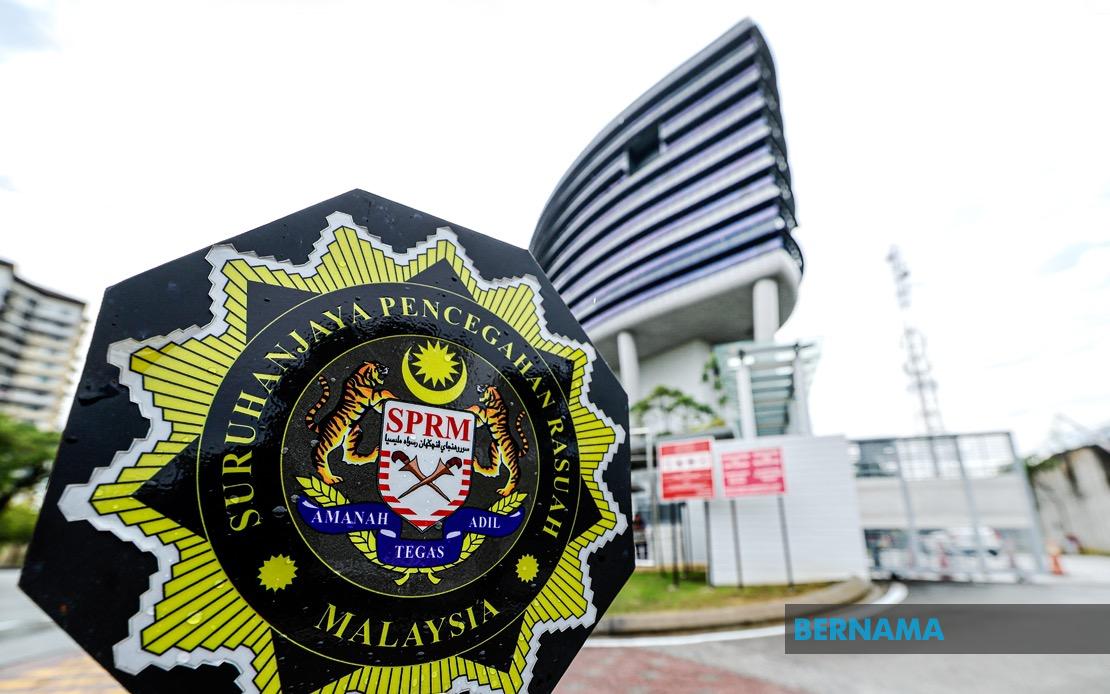
The Malaysian Anti-Corruption Commission (MACC) has progressed its investigation into a substantial investment loss by advancing to the witness interview phase, having gathered statements from ten individuals connected to a failed RM200 million venture into Indonesian aquaculture technology. The inquiry centres on the Retirement Fund (Incorporated) (KWAP) and its involvement in eFishery, a company now at the centre of alleged financial manipulation. MACC chief commissioner Datuk Seri Abd Halim Aman disclosed that the initial round of questioning commenced on Tuesday, with senior personnel from both KWAP and the Ministry of Finance participating—officials who held direct responsibility in approving the investment decision.
The investigation framework extends considerably beyond simple financial review. Officers are presently scrutinising the statements already obtained whilst simultaneously analysing documentary evidence and tracing financial pathways through the banking system's mandatory reporting mechanisms, including cash transaction reports and suspicious transaction reports. This dual approach allows investigators to cross-reference witness accounts against the paper trail of fund movements. The commission has explicitly stated that this preliminary phase represents merely the foundation of a much broader inquiry, with additional individuals anticipated to face questioning as the investigation intensifies.
Future witness lists will encompass members of the Finance Committee and participants in the KWAP Investment Panel, both bodies that played roles in greenlight approval procedures. The expanding scope suggests investigators believe decision-making processes at multiple institutional levels warrant examination. Documents already under review include the initial investment proposal materials, third-party due diligence assessments, physical site inspection reports, institutional meeting documentation, investment protocol guidelines, and KWAP's own financial records. Such comprehensive documentary collection indicates a methodical approach designed to establish whether proper procedures were followed and which parties may have been negligent or complicit.
The investigation's formal commencement occurred on July 17, with investigators physically accessing KWAP's premises on July 20 to commence systematic document retrieval. This timeline suggests the decision to pursue official investigation followed some period of preliminary assessment. Abd Halim emphasised that a dedicated task force under senior leadership has been constituted specifically for this matter, drawing experienced personnel from the Investigation Division, Legal and Prosecution services, and Governance Investigation teams. The composition underscores the complexity of the case, requiring expertise spanning corruption, administrative misconduct, and organisational governance failures.
The investigation's remit encompasses multiple potential legal violations, spanning traditional corruption offences, misuse of official position, unlawful appropriation of funds, and governance-related breaches including financial procedure irregularities and decision-making pathway failures. This comprehensive scope acknowledges that culpability may extend beyond simple embezzlement to encompass negligence, inadequate oversight, and procedural breakdown within institutions responsible for managing public pension assets. For Malaysian pension contributors, this dimension carries particular weight, as failures in fiduciary duty directly affect retirement security.
The Ministry of Finance previously clarified parliamentary circumstances surrounding the eFishery affair, confirming that KWAP fell victim to organised fraud perpetrated through deliberate falsification of the company's financial statements by its leadership. This characterisation moves beyond simple investment miscalculation into deliberate deception, suggesting that due diligence procedures may have been circumvented or documents intentionally misrepresented to investors. The investor group, which includes KWAP alongside others, has initiated civil litigation recovery proceedings whilst simultaneously undertaking internal governance audits and implementing enhanced financial controls. Such responses represent damage containment rather than prevention of initial loss.
International dimensions further complicate proceedings. KWAP's investment, valued at approximately US$47.7 million, was deployed during eFishery's Series D funding round in 2023, placing the transaction within recent memory yet sufficiently distant that investigators must reconstruct decision-making contexts. eFishery itself faces separate investigation regarding allegations of inflated revenue reporting, suggesting systematic rather than isolated accounting manipulation. The involvement of overseas parties necessitates MACC's pursuit of Mutual Legal Assistance in Criminal Matters through the Attorney General's Chambers, extending investigation timelines and creating coordination challenges with foreign authorities.
The eFishery case illuminates vulnerabilities within Malaysia's institutional investment architecture. A pension fund managing retirement security for Malaysian workers sustained a major loss through what appears to be inadequate due diligence and susceptibility to organised deception by foreign operatives. Whether KWAP's governance structures and investment vetting procedures were sufficient, and whether any officials displayed negligence or corruption in approving a substantial allocation to an Indonesian technology firm with limited track record, remains the central investigative question. Answers will carry implications for pension fund oversight standards across the region.
Malaysian and Southeast Asian investment institutions increasingly direct capital into emerging technology ventures, particularly in agricultural technology, where innovation promises productivity improvements. The eFishery experience demonstrates risks inherent in such investment strategies, particularly when applied across borders and into emerging markets where financial transparency standards may differ from Malaysian expectations. The MACC's stated commitment to leaving no investigative stone unturned will be tested by these complexities, requiring sustained effort extending well beyond initial witness interviews and potentially affecting public confidence in institutional capital deployment decisions.

