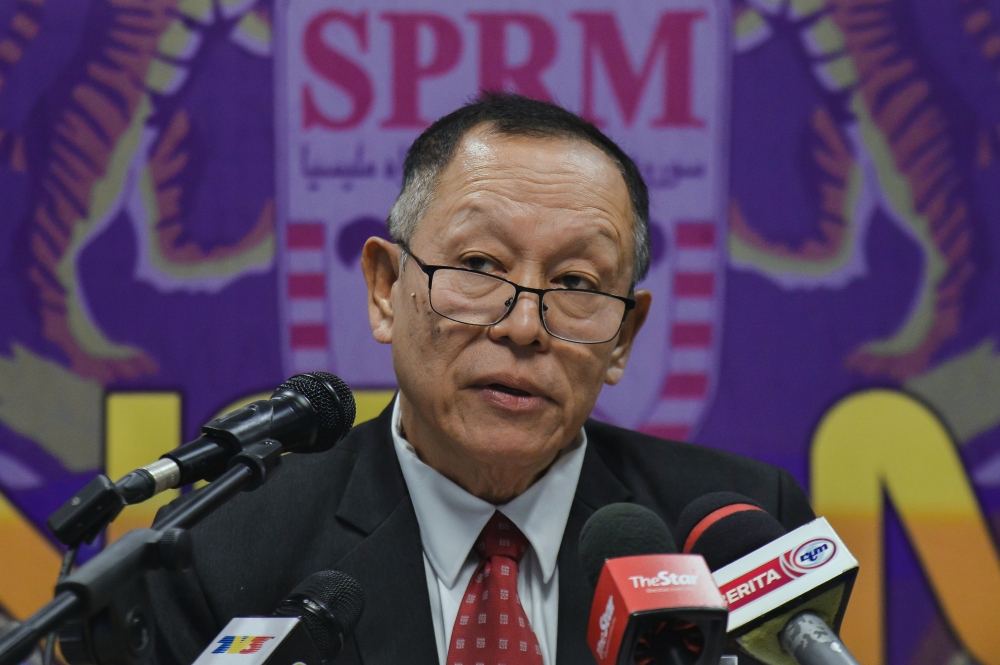
The Malaysian Anti-Corruption Commission has moved to detain the former chief executive and chief financial officer of a major company following allegations of misconduct in a high-value plantation acquisition worth RM370 million. The arrests represent an escalation in MACC's pursuit of corporate governance violations at the executive level, signalling renewed focus on how major transactions are authorised and executed within the country's largest enterprises.
The detention came after investigators completed preliminary inquiries into the transaction, which has drawn scrutiny for the decision-making processes employed by the company's leadership. The two individuals are suspected of exceeding their authority or using their positions improperly to advance the plantation deal, a development that underscores ongoing concerns about accountability in Malaysian business transactions of significant scale.
Corporate acquisitions exceeding RM300 million typically involve multiple approval layers and require sign-off from boards of directors, audit committees, and in some cases, shareholder assemblies. The alleged abuse of power suggests that prescribed governance protocols may have been circumvented or that approvals were obtained without full disclosure of material facts. Such breaches expose companies to financial loss and reputational damage while eroding investor confidence in management's stewardship of shareholder assets.
The timing of these arrests follows a broader pattern of MACC investigations into large-scale corporate transactions. Over the past five years, several high-profile cases have revealed weaknesses in how Malaysian companies manage acquisition decisions, with some executives leveraging their authority to pursue deals that enriched connected parties or yielded inflated valuations. The plantation sector, in particular, has attracted regulatory attention given its strategic importance to Malaysia's economy and the significant capital commitments involved.
Plantation transactions often attract scrutiny because they frequently involve land acquisition, environmental considerations, and complex supply chain arrangements. When executed improperly, such deals can result in overpayment for assets, environmental liability exposure, and market inefficiencies. The RM370 million figure suggests this acquisition ranked among the larger corporate transactions within its sector, making the alleged misconduct potentially consequential for the company's financial position and stakeholder interests.
The arrest of both the CEO and CFO is noteworthy because it implies coordinated action or at minimum tacit understanding between the two most senior financial positions within the organisation. A CEO typically sets strategic direction while a CFO manages financial controls and compliance frameworks. When both face allegations simultaneously, it raises questions about whether internal governance structures failed to generate adequate checks on executive decision-making or whether oversight mechanisms were deliberately circumvented.
For Malaysian investors and international stakeholders monitoring corporate governance standards in Southeast Asia, such investigations carry broader implications. Malaysia's corporate sector competes globally for capital, and investors increasingly demand transparency and adherence to international best practices in governance. Cases involving executive misconduct can temporarily depress investor appetite for Malaysian equities and raise the cost of capital for companies perceived as having weak internal controls or inadequate board oversight.
The investigation will likely examine board minutes, approval documentation, valuation reports, and communications between executives and external advisers to establish whether proper procedures were followed. Investigators will also scrutinise whether the transaction price was commercially reasonable and whether alternative bidders received fair consideration. If improper conduct is substantiated, the company may face regulatory sanctions, the executives criminal charges, and the board reputational consequences that extend to individual directors.
This case arrives amid broader regional discussion about corporate transparency standards. Several Southeast Asian nations have strengthened anti-corruption enforcement in recent years, and Malaysia's MACC has positioned itself among the region's more assertive agencies. The detention of senior executives sends a signal that even individuals in the highest corporate positions remain subject to investigation when prima facie evidence of misconduct emerges. However, observers note that investigations alone do not guarantee successful prosecution, and establishing abuse of power beyond reasonable doubt requires demonstrating both that authority existed and that it was deliberately misused.
The company in question will likely face operational disruption while leadership vacancies persist during the investigation. The board may accelerate recruitment of interim senior management, engage external advisers to strengthen governance, and communicate transparently with regulators to demonstrate commitment to remedial measures. The broader corporate community will monitor how quickly the investigation concludes and whether charges proceed, as these outcomes will influence how Malaysian businesses approach future large-scale transactions and the diligence they apply to approval mechanisms.
Should charges be filed and convictions secured, the case will join a growing body of precedent in Malaysian jurisprudence regarding corporate executive accountability. It may also prompt companies to revisit board structures, audit committee composition, and the independence of external advisers engaged in major transaction appraisals. The precedent established here will likely influence how future boards scrutinise large acquisitions and whether they demand greater independence from external valuation experts.

