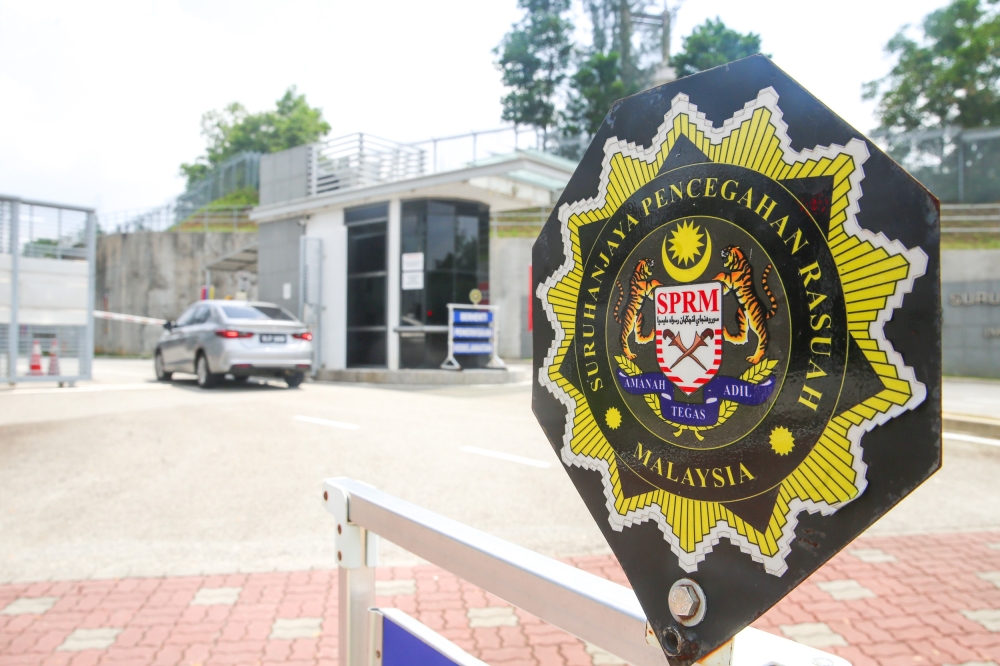
The Malaysian Anti-Corruption Commission (MACC) has expanded its investigation into a major financial misconduct case by securing a five-day remand order for three more suspects in Putrajaya on August 5. The development signals an intensifying probe into allegations that RM450,000 in penalty payments were systematically misappropriated, marking a significant escalation in what appears to be a coordinated fraud scheme.
The remand order, obtained from a Putrajaya magistrate, grants investigators extended custody to interrogate the three newly detained individuals and gather additional evidence related to the suspected misuse of penalty funds. This move comes as anti-corruption authorities seek to unravel the full extent of the alleged financial irregularities and identify all parties potentially involved in the scheme. The decision to seek further detention reflects the complexity of the investigation and the apparent involvement of multiple actors in the alleged wrongdoing.
The RM450,000 in question represents a substantial sum, and its alleged diversion raises serious questions about internal control mechanisms and financial oversight within the relevant organisation. Such large-scale misappropriation typically requires multiple layers of approval and access to bank accounts or payment systems, suggesting that the fraud may have involved collusion among several officials or employees working in concert to circumvent established safeguards.
For Malaysian readers and regional observers, this case exemplifies the ongoing challenges facing Southeast Asian nations in combating white-collar crime and corruption within public and private institutions. Despite heightened scrutiny and institutional reforms in recent years, sophisticated financial fraud continues to occur, often exploiting gaps in oversight, inadequate documentation procedures, or institutional culture that prioritises loyalty over transparency.
The involvement of multiple suspects detained across separate operations underscores a pattern commonly seen in large-scale embezzlement cases: the gradual build-up of evidence and testimony that allows investigators to construct a comprehensive picture of criminal activity. Each individual's testimony may implicate others, creating a cascading effect that broadens the investigative net and potentially reveals wider systemic weaknesses.
From an institutional perspective, the MACC's methodical approach to gathering evidence through sequential detention and interrogation demonstrates the anti-corruption body's commitment to pursuing cases to their logical conclusion. The commission's willingness to invest significant investigative resources in this matter sends a message that financial misconduct, regardless of the amounts involved or the status of those implicated, will face serious consequences.
For the broader Malaysian business and governmental landscape, this investigation highlights the importance of robust internal audit systems, segregation of duties, and transparent financial reporting. Organisations handling substantial funds must implement multi-level approval requirements and maintain detailed documentation of all transactions, particularly those involving penalty payments or settlement amounts that might be more susceptible to manipulation.
The timing and scale of the investigation also reflect heightened public and institutional awareness of corruption in the post-2018 era, when Malaysia embarked on an anti-corruption agenda following significant political changes. The MACC's resources and political support have enabled more aggressive pursuit of financial crimes that might have been overlooked in previous years, though such momentum requires sustained commitment and adequate funding.
As the investigation progresses, the eventual charges and court proceedings will likely provide valuable insights into how such schemes are perpetrated and what vulnerabilities enabled the alleged theft. These details can inform policy recommendations for strengthening financial controls across the public sector and private institutions handling substantial government funds or regulated payments.
The remand extension also signals that investigators believe they require additional time to interview the suspects comprehensively, seek clarification on specific transactions, and cross-reference documentation. The digital footprint of modern financial fraud—bank transfers, email communications, and payment system records—provides investigators with concrete evidence, though piecing together the full narrative from multiple suspects' accounts remains time-intensive.
For regional anti-corruption agencies and international observers, Malaysian cases like this offer lessons in investigative technique and institutional coordination. The MACC's handling of complex financial crime demonstrates the value of specialised, well-resourced agencies capable of pursuing cases involving multiple suspects across extended timeframes.
Looking ahead, the outcomes of this investigation will likely influence how Malaysian organisations structure their penalty payment procedures and financial approval processes. If systemic vulnerabilities are exposed, regulatory bodies may mandate enhanced controls, training programs, and whistleblower protections to prevent similar occurrences and foster a culture where financial integrity is paramount.

