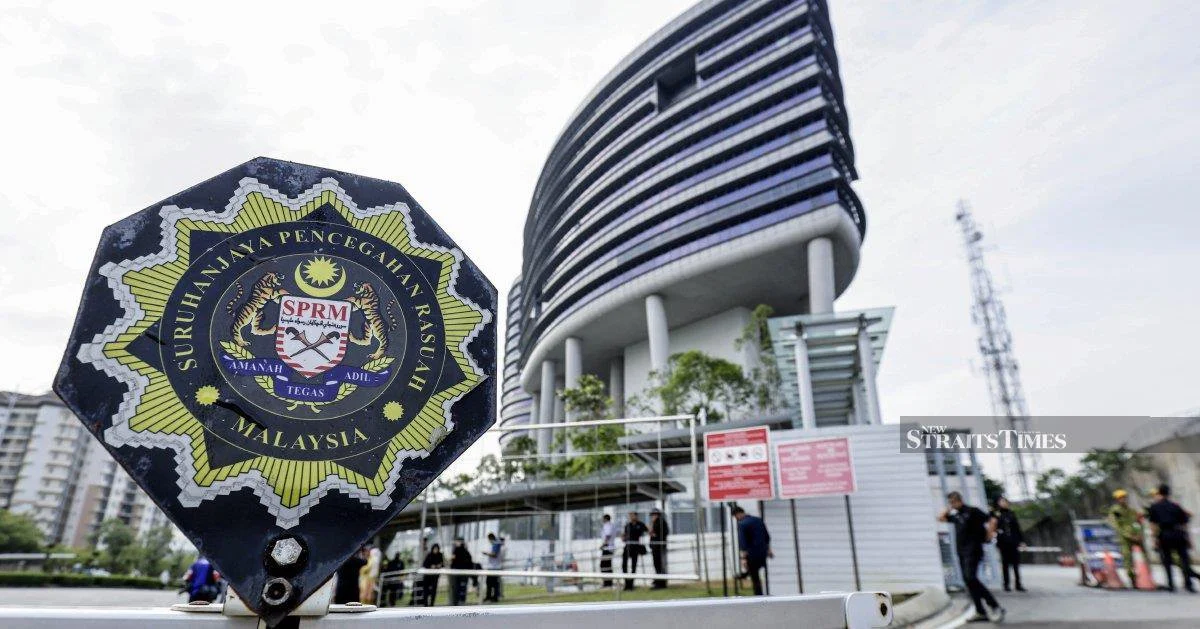
The Malaysian Anti-Corruption Commission (MACC) is intensifying its investigation into the Daya Kerjaya 2.0 employment incentive scheme by scrutinizing fundamental governance weaknesses and administrative procedures that may have enabled alleged fraud totalling RM9 million.
The decision to examine structural and procedural vulnerabilities in the programme represents a broader investigative approach beyond simply identifying individual wrongdoing. By looking at how the scheme operates at an institutional level, authorities aim to understand whether systemic gaps in oversight mechanisms created conditions that allowed fraudulent claims to slip through without detection or adequate verification.
Daya Kerjaya 2.0 is designed to encourage employers to hire workers by providing financial incentives through the government. The initiative forms part of Malaysia's employment support framework, targeting job creation and workforce development. When properly administered, such schemes serve as valuable tools for stimulating labour market participation and assisting vulnerable job seekers in securing employment opportunities.
The emergence of RM9 million in alleged fraudulent claims raises critical questions about the adequacy of internal controls and monitoring systems within the programme's implementation structure. Governance weaknesses can take various forms—from insufficient verification of applicant credentials to inadequate tracking of fund disbursements, weak documentation practices, or insufficient segregation of duties among personnel responsible for approval and payment processes.
For Malaysian taxpayers and citizens, the scale of suspected fraud underscores the importance of robust accountability mechanisms in government-backed initiatives. Employment schemes typically operate with public funds intended to benefit genuine job seekers and supportive employers. When resources leak away through fraudulent channels, they are unavailable for their intended purpose, effectively diminishing the programme's capacity to generate real economic and social benefit.
The MACC's investigation carries particular significance for Southeast Asian governments increasingly reliant on employment incentive programmes to manage labour market challenges. Malaysia's approach—examining both individual culpability and institutional design—offers lessons about the necessary checks and balances required when distributing substantial public resources. Other regional economies operating similar initiatives may find insights in how structural weaknesses get identified and remediated.
Proceeding with a comprehensive governance review suggests MACC investigators recognize that addressing fraud in government programmes requires action at multiple levels simultaneously. Individual prosecutions address criminal responsibility, but examining procedural weaknesses targets the infrastructure that enabled misconduct. This dual approach aims to prevent recurrence by closing the operational gaps that fraudsters exploited.
The government's response to this investigation will likely influence public confidence in employment support schemes generally. When authorities demonstrate commitment to investigating and correcting institutional failures, it reinforces the credibility of government programmes and reassures citizens that public funds receive serious protection. Conversely, inadequate response to governance issues can erode trust in future government initiatives and discourage legitimate employers from participating in incentive schemes.
Common governance vulnerabilities in employment programmes across the region include insufficient due diligence on employer applications, inadequate verification of worker employment duration, weak audit trails for fund disbursements, and limited coordination between government agencies responsible for monitoring. Addressing these systematically requires reviewing policy design, updating procedures, implementing stronger digital verification systems, and ensuring adequate staffing for oversight functions.
The investigation's findings may prompt a comprehensive review of Daya Kerjaya 2.0's operational framework. Depending on what MACC discovers, the government might implement enhanced documentation requirements, introduce independent verification mechanisms, deploy data analytics to identify suspicious patterns, or establish clearer approval hierarchies that prevent single individuals from exercising unchecked discretion over fund distribution.
For employers participating legitimately in Daya Kerjaya 2.0, the investigation and subsequent governance improvements could ultimately strengthen the scheme's integrity. Fraudulent claims create unfair competition for genuine businesses and undermine the programme's effectiveness. Tightened procedures, while potentially requiring more administrative effort, help ensure that funds reach legitimate participants and that the scheme achieves its intended employment creation objectives.
The Malaysian experience with this investigation reflects broader global recognition that anti-corruption efforts must operate at structural and procedural levels alongside investigating individual misconduct. As Southeast Asia continues developing and expanding government assistance programmes, embedding robust governance standards from inception—rather than discovering weaknesses retrospectively—becomes increasingly important for program credibility and effectiveness.