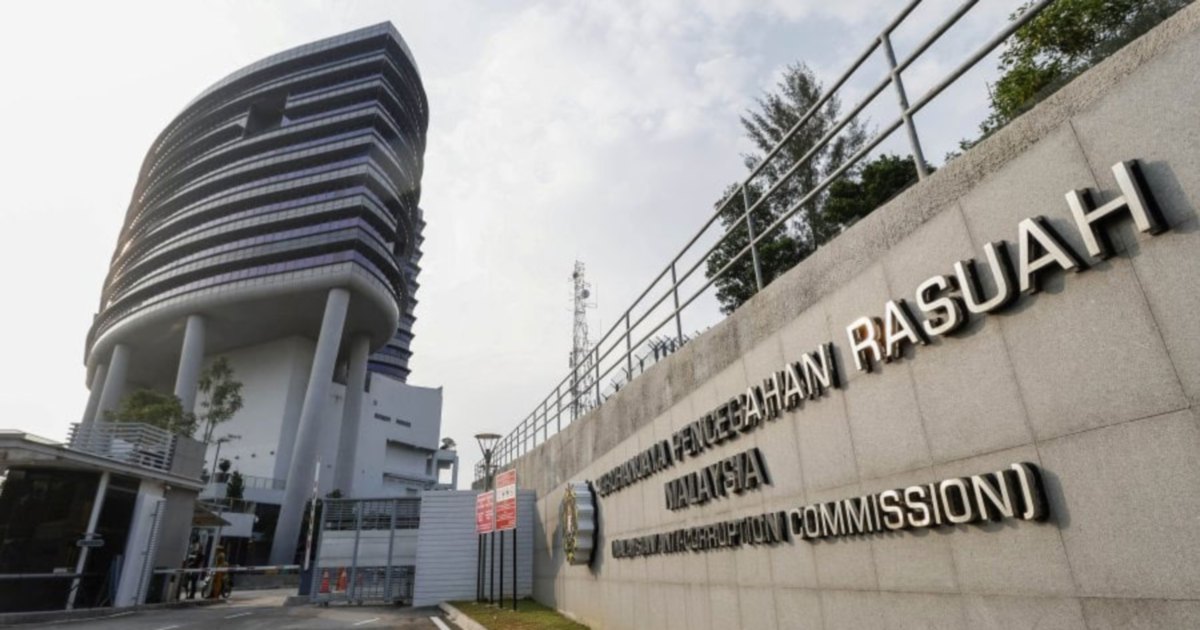
Corruption investigators have stepped up their scrutiny of the Retirement Fund Inc (KWAP) following substantial financial losses tied to an Indonesian aquaculture venture, with officials from the Malaysian Anti-Corruption Commission visiting the pension fund's Kuala Lumpur headquarters this week to gather evidence and conduct interviews.
The investigation centres on KWAP's reported RM200 million loss stemming from its investment in eFishery, a Jakarta-based agricultural technology company focused on aquaculture and fish farming innovations. The visit represents a formal escalation in official interest regarding how KWAP's leadership authorised and managed this significant cross-border capital allocation, raising broader questions about governance standards within Malaysia's sovereign wealth and retirement institutions.
eFishery, which operates in the competitive Southeast Asian agritech sector, had attracted funding from various institutional investors keen to tap into the region's growing aquaculture industry. However, the Indonesian startup's subsequent financial difficulties have exposed KWAP to substantial losses, prompting internal reviews and external scrutiny from multiple quarters. The RM200 million figure underscores the scale of capital at risk and the potential consequences when large institutional funds venture into high-risk emerging market technology ventures without adequate safeguards.
For Malaysian pension fund contributors—who depend on KWAP's prudent stewardship of retirement savings—the investigation carries significant implications. KWAP manages retirement benefits for federal public servants and other eligible members, making the fund's investment performance directly relevant to millions of ordinary Malaysians planning their financial futures. Questions about decision-making processes, due diligence protocols, and oversight mechanisms are therefore not merely administrative concerns but fundamental matters affecting retirement security.
The MACC's involvement suggests potential irregularities beyond ordinary investment misjudgement. Anti-corruption agencies typically become engaged when there are indicators of misconduct, conflicts of interest, or procedural breaches that deviate from accepted institutional practice. The investigation will likely examine whether investment approvals followed proper governance frameworks, whether conflicts of interest were adequately disclosed and managed, and whether decision-makers acted in the fund's best interests.
Indonesia's dynamic but sometimes opaque business environment adds complexity to cross-border institutional investments. Malaysian investors scrutinising Indonesian startups face heightened due diligence requirements, including verification of business fundamentals, market conditions, regulatory compliance, and management quality. The scale of KWAP's eFishery exposure suggests either exceptional confidence in the venture's prospects or possible lapses in investment evaluation discipline—both scenarios warrant investigation.
The aquaculture sector itself presents genuine opportunities across Southeast Asia, where rising protein demand and technological advancement create expansion potential. However, the industry remains capital-intensive and vulnerable to operational, market, and regulatory risks. Institutional investors committing such substantial amounts should implement comprehensive investment committees, independent valuation expertise, and ongoing monitoring mechanisms—all of which appear to have yielded inadequate protection in this case.
International institutional investment failures increasingly attract regulatory attention across Asia, reflecting lessons learned from earlier financial crises. Malaysia's approach through formal MACC investigation aligns with regional trends toward strengthening accountability for large institutional capital deployments. How MACC concludes its inquiry will likely influence future governance expectations for other Malaysian pension funds and sovereign wealth vehicles considering international investments.
Beyond the immediate investigation, the eFishery situation highlights structural gaps in how Malaysian institutions evaluate and monitor emerging market venture capital. Technology companies in developing economies require different analytical frameworks than traditional investments, yet many institutional investors lack specialised expertise in assessing agritech startups or Indonesian market dynamics. Strengthening such capabilities represents a policy priority for protecting Malaysia's retirement assets.
The timing of the MACC investigation, occurring weeks after the initial loss became public knowledge, suggests either internal complaints triggered the probe or regulatory authorities initiated investigations independently based on public reporting. Either pathway points to increased vigilance around major institutional fund decisions, which carries positive implications for future governance but raises uncomfortable questions about how thoroughly historical transactions were previously scrutinised.
KWAP's response to these investigative inquiries will significantly influence stakeholder confidence in the fund's institutional credibility. Transparency regarding what led to the investment decision, how the situation deteriorated, and what remedial measures are being implemented will prove essential for rebuilding trust among the millions of Malaysian public servants depending on KWAP's stewardship for retirement income security.
Looking forward, this episode will likely prompt Malaysian institutional investors to recalibrate their appetite for high-risk technology sector exposure in emerging markets. The reputational and financial consequences of the eFishery investment failure extend beyond KWAP alone, potentially influencing how other regional funds approach international venture capital allocation and the governance standards they implement for substantial cross-border transactions.

