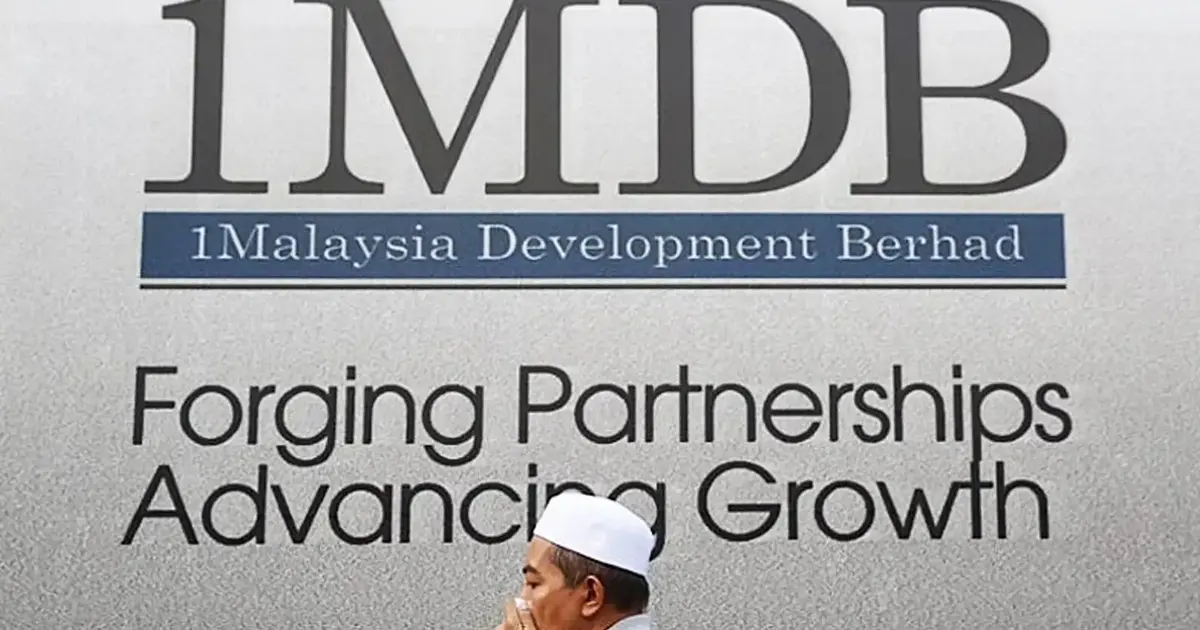
The Malaysian Anti-Corruption Commission (MACC) has opened an investigation into a portfolio of overseas luxury properties collectively valued at RM59 million that are alleged to have links to the 1MDB financial scandal. MACC chief Abd Halim Aman disclosed the development, indicating that the agency is pursuing multiple lines of inquiry centred on potential violations of corruption and money laundering laws, alongside potential asset recovery proceedings.
The move represents a continuation of efforts to uncover and recover assets believed to have been misappropriated through the 1MDB affair, one of the world's largest sovereign wealth fund corruption cases. Over the past several years, Malaysian authorities have worked methodically to trace and retrieve funds and properties scattered across jurisdictions globally, with varying degrees of success. This latest inquiry suggests that investigators have identified fresh leads or received new information regarding undisclosed or inadequately documented property acquisitions overseas.
The investigation into these particular properties follows the longstanding pattern of 1MDB-related probes, wherein the agency examines whether funds were illicitly diverted and subsequently used to acquire high-value assets. The involvement of overseas properties complicates investigative procedures, as it requires coordination with international counterparts and navigation of different legal frameworks. However, Malaysia's enhanced protocols for cross-border cooperation in corruption cases, particularly following the reputational damage from 1MDB, have strengthened the MACC's capacity to pursue such inquiries.
Asset recovery constitutes a critical component of the investigation strategy. Rather than focusing solely on prosecuting individuals, authorities increasingly prioritize identifying and securing assets that can be returned to Malaysia's government coffers. The RM59 million valuation suggests a substantial acquisition pattern that would warrant scrutiny regarding source of funds and beneficial ownership structures. Previous 1MDB investigations have uncovered complex layers of shell companies and offshore trusts designed to obscure the true ownership of properties, making the current inquiry's forensic accounting dimension particularly important.
The MACC's emphasis on multiple investigative angles—corruption, money laundering, and asset recovery—indicates a comprehensive approach designed to strengthen potential prosecutions while simultaneously pursuing civil remedies. Money laundering investigations are particularly relevant in overseas property cases, as such acquisitions frequently represent the final stage of laundering cycles where illicit funds are converted into tangible, ostensibly legitimate assets. Establishing the laundering trail requires tracing transactions through multiple intermediaries and jurisdictions, a labour-intensive but essential process.
For Malaysian observers, this investigation underscores the complex legacy of the 1MDB affair, which has cast a long shadow over the nation's international reputation and governance standards. While earlier phases of 1MDB prosecutions have concluded with convictions and sentences, the broader asset recovery mission remains ongoing. The identification of previously unaccounted-for properties suggests either that initial investigations did not uncover the complete scope of misappropriation, or that additional information has emerged through international investigations or whistleblower disclosures.
The involvement of properties situated overseas also highlights the interconnected nature of financial crime in the 21st century. Individuals implicated in major corruption schemes frequently establish international networks of assets and accounts specifically to distance themselves from the proceeds of corruption. The MACC's investigation into these properties will likely involve requests for mutual legal assistance to foreign governments, examination of banking records spanning multiple countries, and analysis of corporate structures registered in various jurisdictions.
From a regional perspective, Malaysia's pursuit of these matters reinforces the country's commitment to international anti-corruption standards, a necessary demonstration following the 1MDB debacle. Successful prosecution and asset recovery in such cases serve as deterrents to prospective financial wrongdoers and signal that even high-value transnational corruption will not escape accountability. Regional neighbours and trading partners monitor Malaysia's follow-through on such investigations, with implications for bilateral relations and investor confidence.
The scope of the current inquiry—targeting a RM59 million portfolio—represents substantial sums that could meaningfully contribute to government revenues should recovery efforts succeed. Previous 1MDB asset recovery operations have returned hundreds of millions of ringgit to Malaysia through various bilateral and multilateral arrangements. This latest investigation suggests ongoing momentum in these recovery efforts, though the complexity of overseas jurisdictions and potential resistance from defendants or parties with competing claims to assets means outcomes remain uncertain.
The investigation also reflects institutional learning within the MACC. The agency has refined its capabilities in international asset tracing and cross-border cooperation since the height of 1MDB prosecutions. Newer investigative technologies, enhanced information-sharing protocols with foreign counterparts, and accumulated expertise in navigating complex corporate ownership structures have collectively improved the MACC's effectiveness in pursuing transnational corruption cases. This investigation will likely serve as a test case for these enhanced capabilities.
Governance implications extend beyond the immediate inquiry. The continued emergence of 1MDB-related investigations, even years after the scandal's initial exposure, raises questions about oversight systems that permitted such extensive theft to occur undetected for extended periods. While accountability measures have been implemented, the ongoing discovery of misappropriated assets underscores the vulnerability of sovereign wealth funds to insider abuse absent robust independent governance and external audit mechanisms.

