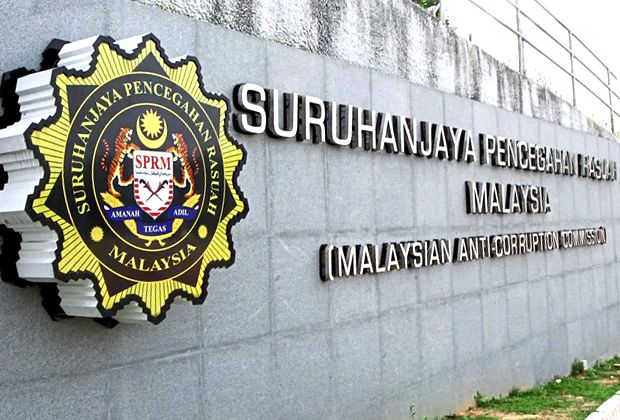
The Malaysian Anti-Corruption Commission has reversed course on financial restrictions imposed against Rohas Tecnic and its key subsidiary, clearing the way for the power transmission and telecommunications infrastructure company to restore full banking access. The revocation of seizure orders represents a significant development for the listed enterprise, which had faced operational constraints stemming from anti-money laundering compliance actions initiated nearly two months prior.
In a regulatory announcement filed with Bursa Malaysia, Rohas Tecnic confirmed that the MACC has dissolved all freeze orders that had been clamped on company bank accounts as well as personal accounts held by current and former officers of its subsidiary HGPT. The action dissolves restrictions that had threatened to disrupt normal business operations for a firm heavily involved in manufacturing transmission infrastructure serving Malaysia's energy and communications sectors. With these restrictions now lifted, the entity can fully resume its financial transactions without the constraints that characterised the enforcement period.
The sequence of events leading to this outcome began in mid-October when the MACC initiated seizure proceedings targeting multiple entities within the Rohas Tecnic corporate structure. On October 17, 2025, the company and its two principal subsidiaries—HGPT and Rohas-Euco Industries Bhd—received notices of frozen accounts under provisions of the Anti-Money Laundering, Anti-Terrorism Financing and Proceeds of Unlawful Activities Act 2001. These orders took effect immediately, preventing the companies from accessing their banking facilities and conducting routine commercial transactions.
The enforcement actions were grounded in Section 44(1) and Section 50(1) of AMLA, legislation that empowers anti-corruption authorities to immobilise financial assets during investigations into suspected unlawful activity. While such powers serve an essential protective function in combating financial crime, their deployment can significantly hamper legitimate business operations, particularly for manufacturing and infrastructure concerns with regular payroll, supplier payment, and capital investment obligations. The impact on Rohas Tecnic would have extended across multiple operational domains given the interconnected nature of modern corporate finances.
However, the legal basis for maintaining these restrictions evidently did not withstand subsequent scrutiny. On November 25, 2025, Rohas-Euco Industries received revocation orders from the MACC itself, indicating that the commission determined insufficient grounds existed to justify continued asset freezes against that subsidiary. This initial reversal signalled a broader reassessment of the enforcement action across the corporate group. The following day brought more significant relief when the Deputy Public Prosecutor issued formal revocation orders dissolving seizure restrictions on both Rohas Tecnic and HGPT, effectively unwinding the October enforcement decision.
The revocation mechanism itself reflects an important procedural safeguard embedded within Malaysian anti-corruption law. While initial seizure orders can be issued by enforcement authorities to preserve assets pending investigation, continuing those restrictions requires sustained justification. The authority for revocation resting with the Deputy Public Prosecutor rather than the MACC alone introduces an additional layer of oversight, ensuring that asset freezes do not persist indefinitely without adequate legal foundation. In this instance, that prosecutorial review culminated in a determination that the restrictions should be lifted entirely.
For Rohas Tecnic's stakeholders—including employees, creditors, customers, and investors—the revocation orders represent clarification of the company's legal standing and operational viability. The firm, which specialises in manufacturing high-specification transmission towers and related telecommunications infrastructure, serves important sectors underpinning Malaysia's infrastructure development. Prolonged banking restrictions could have cascading consequences affecting project delivery, employment continuity, and the company's ability to fulfil contractual commitments to clients. The restoration of unrestricted banking access thus eliminates significant operational uncertainty that had hung over the enterprise for approximately six weeks.
The episode underscores the powerful but blunt-edged nature of financial asset seizures as anti-corruption tools. While such mechanisms serve vital purposes in preventing the dissipation of proceeds derived from unlawful activity, their application necessarily affects innocent third parties when enforcement actions subsequently prove unwarranted. Employees depend on regular salary transfers, suppliers rely on timely payment, and shareholders face uncertainty about asset security. The MACC and prosecutorial authorities must therefore calibrate such interventions carefully, ensuring that the investigative necessity genuinely justifies the collateral economic disruption.
In the broader Southeast Asian context, Malaysia's anti-corruption enforcement framework operates among the region's more sophisticated systems, combining statutory powers under AMLA with institutional capacity through the MACC. The agency's willingness to reverse course when legal justification proves insufficient demonstrates a degree of institutional self-correction that characterises more mature enforcement regimes. However, the incident also highlights the importance of procedural transparency and communication when enforcement actions subsequently prove unnecessary, enabling affected businesses to restore market confidence and operational normalcy.
Rohas Tecnic's restoration to unrestricted banking status resolves immediate operational pressures and removes a significant cloud from the company's prospects. Going forward, the firm can pursue its commercial activities without the acute financial constraints that characterised the enforcement period. The revocation orders, while welcome to the affected entity, also serve as a reminder that even well-intentioned anti-corruption efforts must remain subject to rigorous legal scrutiny and proportionality assessment.

