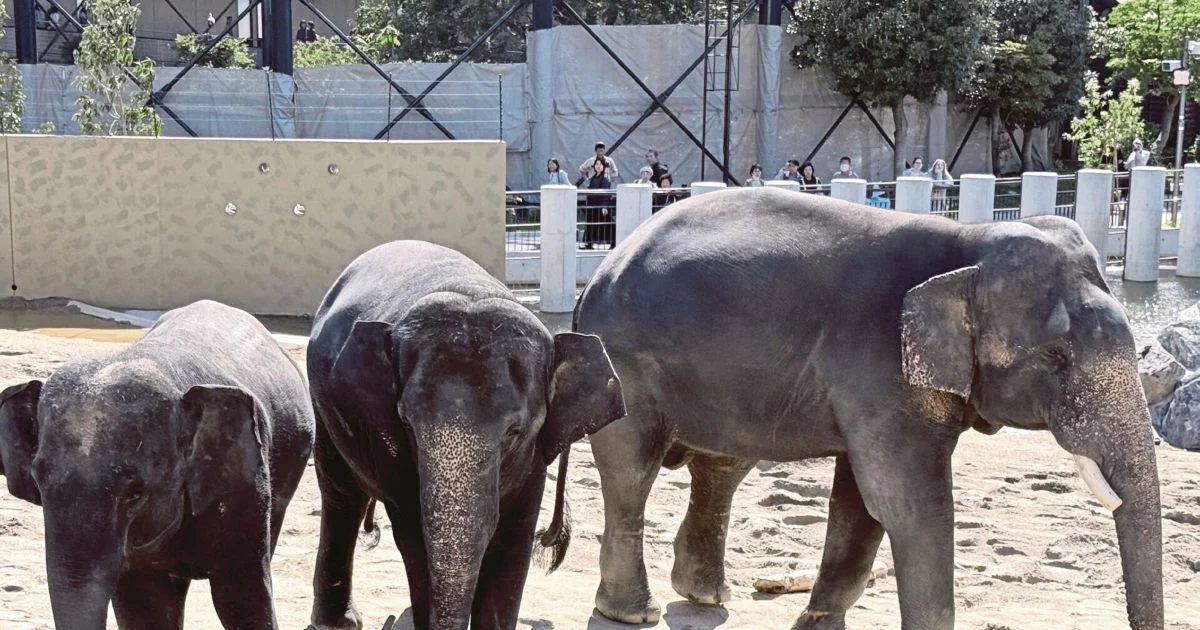
The Malaysian Anti-Corruption Commission has initiated a formal investigation into the controversial relocation of three Asian elephants that were transferred from Zoo Taiping to the Tennoji Zoo in Osaka, Japan, signalling renewed scrutiny over international wildlife movement agreements and institutional governance at Malaysia's state-run zoological facilities.
The decision to launch the inquiry reflects growing concerns about how such high-profile animal transfers are approved, negotiated, and executed within Malaysia's wildlife management framework. The three elephants—among the most iconic residents at Zoo Taiping, one of Southeast Asia's oldest and most visited zoological parks—have become the subject of official examination as authorities assess whether proper protocols and financial transparency measures were observed throughout the transaction.
Zoo Taiping, located in Perak state, has long served as a custodian of Asian elephants and other endangered species, functioning not merely as an entertainment venue but as a conservation institution. The relocation of its resident elephants to Japan raises questions about Malaysia's broader approach to international wildlife partnerships and whether domestic zoos maintain sufficient capacity and incentive to house breeding populations of these magnificent creatures within their natural range.
Anti-corruption investigations into zoo operations and animal transfers are relatively uncommon in Malaysia, suggesting that concerns about the Tennoji Zoo arrangement may extend beyond standard administrative matters. The MACC's involvement indicates potential irregularities in procurement processes, diplomatic negotiations, funding arrangements, or decision-making authority that warranted formal scrutiny by the nation's principal graft-busting agency.
The transfer mechanism itself—whereby Asian elephants move between countries—typically involves bilateral agreements between nations, coordination through international wildlife conservation bodies, and significant logistical and financial considerations. Japan's Tennoji Zoo, a respected metropolitan facility in Osaka, has previously collaborated with Malaysian institutions on conservation initiatives, yet this particular arrangement appears to have triggered official concerns about how the transaction was structured and approved.
For Malaysian observers, the investigation underscores persistent questions about institutional transparency in government-owned entities. Zoo Taiping operates under state government auspices, yet lacks the parliamentary oversight mechanisms that scrutinise larger federal budgets, potentially creating environments where substantial decisions proceed with limited external accountability. The elephant transfer, representing valuable national assets, apparently proceeded through channels that eventually caught the attention of corruption investigators.
The Asian elephant occupies profound cultural and spiritual significance throughout Malaysia and wider Southeast Asia, featuring prominently in heritage symbolism and conservation narratives. When such animals leave Malaysian facilities for foreign institutions, public expectations reasonably extend to transparent justification and evidence that the relocation genuinely serves conservation objectives rather than commercial or politically-motivated interests. The MACC inquiry will likely examine whether decision-makers adequately addressed these concerns.
International wildlife transfers involve substantial veterinary preparation, habitat assessment, and acclimatisation protocols, making them inherently complex undertakings requiring coordination across multiple agencies and countries. The investigation may examine whether appropriate environmental impact studies, animal welfare evaluations, and inter-institutional consultation occurred before the Tennoji Zoo arrangement proceeded. These practical considerations often intersect with governance, as decisions affecting endangered species sometimes involve competing institutional interests rather than purely scientific reasoning.
For Malaysia's standing in international conservation circles, the MACC's investigation carries implications beyond institutional management. Nations that host world-class zoos and breeding facilities for endangered species enhance their credibility as conservation partners and attract international scientific collaboration. Conversely, evidence of improper processes in animal transfers could undermine Malaysia's reputation, potentially affecting future partnerships in wildlife preservation that might benefit both Malaysian and regional conservation agendas.
The Perak state context adds another dimension to the inquiry. State-level institutions like Zoo Taiping operate within broader governmental structures that can sometimes experience coordination challenges between federal oversight bodies and state-level management. Determining appropriate approval chains for major decisions—whether administrative, financial, or policy-related—remains an ongoing challenge in Malaysia's federal system, and the elephant transfer may illuminate gaps in these arrangements.
Zoo visitors, particularly families and conservationists who tracked specific elephants over years, represent another stakeholder group affected by the transfer and potentially by any governance lapses the investigation uncovers. Public attachment to animals housed at zoos naturally generates expectations about decision-making transparency and institutional stewardship, making such investigations matters of public interest extending well beyond technical administrative concerns.
The investigation timeframe and methodology remain unclear, though MACC's involvement typically signals examination of potential offences under the Malaysian Anti-Corruption Commission Act, which covers abuse of authority and misconduct in public office. Depending on findings, institutional reforms might follow—potentially including revised protocols for approving significant transfers of valuable animals from state-owned facilities.
For regional policymakers and zoo administrators, this inquiry serves as a cautionary reminder that international animal transfers, despite their apparent technical and conservation dimensions, remain subject to the same governance standards and transparency expectations that apply to other significant institutional decisions. How Malaysia resolves this investigation may influence how neighbouring countries approach similar arrangements moving forward.

