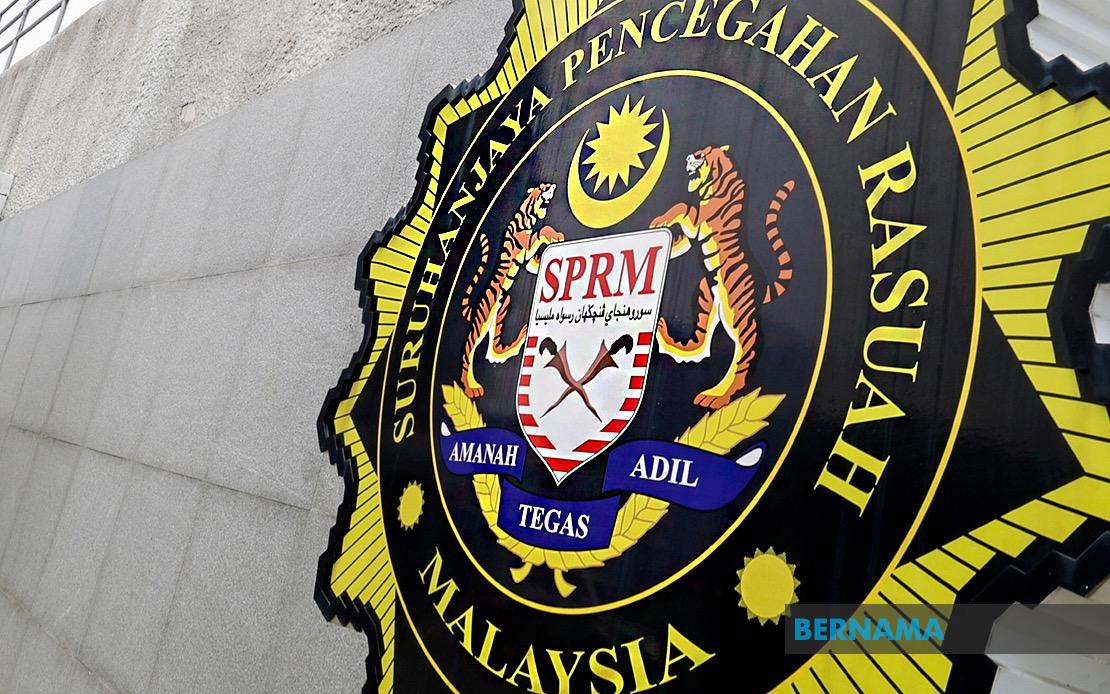
The Malaysian Anti-Corruption Commission has achieved a significant milestone in gaining international recognition, with the anti-graft agency securing finalist status across four categories in the ICA Compliance Awards APAC 2026. Organised by the International Compliance Association, the awards programme recognises excellence and innovation in compliance, integrity and anti-corruption efforts throughout the Asia-Pacific region. This marks the MACC's first foray into what has become a leading platform for honouring achievements within the global compliance profession.
The nominations underscore the MACC's expanding international profile at a time when Malaysia is seeking to strengthen its standing on governance and integrity standards globally. In the individual recognition categories, the Investigation Division's Mohd Shukri Mohd Said has been shortlisted for the Compliance Leader of the Year award, while Mohammad Nazree Mansor qualifies as a finalist for the Rising Star Award. These nominations reflect the calibre of personnel the commission has developed internally and demonstrate that Malaysian anti-corruption practitioners are now being benchmarked against regional and international standards.
Beyond individual achievements, the MACC has also advanced as a finalist in two organisational categories. The commission's broader compliance framework has been recognised through nominations for Compliance Team of the Year, and separately for Small Compliance Team of the Year honouring units with fewer than seven members. This dual recognition at the organisational level suggests that the MACC's institutional approach to anti-corruption work extends beyond individual excellence to encompass systematic, team-based methodologies that international compliance bodies now value.
According to MACC Investigation Division senior director Datuk Mohd Hafaz Nazar, these nominations carry significance beyond prestige. He characterised the selections as a validation of the commission's ongoing dedication to advancing integrity, compliance and good governance throughout Malaysia's public sector and private institutions. The statement implied that such international recognition serves to reinforce the MACC's mandate domestically while positioning the agency as a credible voice in regional and global anti-corruption discourse. Hafaz expressed hope that the nominations would galvanise the organisation to pursue excellence both domestically and on the international stage.
Mohd Shukri, whose personal nomination highlights his leadership in investigation division operations, described the recognition as honouring both himself and the MACC collectively. He emphasised that the nomination reflects the professionalism and commitment of the commission's officers in advancing Malaysia's anti-corruption agenda. The language used suggested an understanding that individual achievements within anti-corruption work cannot be separated from the institutional structures and team support systems that enable them, a perspective aligned with modern compliance thinking that values both individual leadership and collaborative frameworks.
For Mohammad Nazree, the Rising Star Award nomination carries personal developmental significance. The recognition of emerging talent within the anti-corruption field is particularly important for Southeast Asian agencies seeking to build depth in their professional ranks. Nazree has framed the nomination as motivation to deepen his professional capabilities and expand his contribution to governance and anti-corruption initiatives across Malaysia's public service. Such recognition of younger professionals helps establish clear career pathways within specialised fields, addressing a regional challenge of talent retention in compliance and integrity roles.
The ICA Compliance Awards APAC itself represents an important institutional framework within which the MACC is now competing. The International Compliance Association has operated since 2001 and has trained more than 160,000 professionals globally through accredited programmes and qualifications. By naming the MACC as a finalist, the ICA has positioned Malaysian anti-corruption work within a broader Asia-Pacific conversation about compliance best practices. This contextualisation matters for regional policymakers considering how Malaysia's institutional approaches compare to neighbouring jurisdictions and how the MACC might serve as a reference point for other Southeast Asian anti-corruption bodies.
The virtual awards ceremony scheduled for July 21 will announce the final recipients across all categories. The timing of these nominations, announced in late June, provides the MACC with several weeks of visibility around its achievements before the ceremonial announcement. For Malaysian readers and policymakers, the significance extends beyond whether the agency actually wins awards. The very fact of MACC's qualification as finalist acknowledges that Malaysia's institutional approaches to combating corruption meet international standards for professionalism, methodology and innovation.
This recognition arrives at a strategic moment for Malaysia's broader governance agenda. International perceptions of institutional competence in anti-corruption work influence foreign investor confidence, diplomatic relationships and Malaysia's standing within global governance networks. The MACC's expanded international visibility through such awards contributes to a narrative of institutional maturity and professional rigour. For Southeast Asian peers grappling with similar governance challenges, the MACC's performance on international platforms offers both a benchmark and potential collaboration opportunities.
The implications for the MACC's future direction are twofold. Internally, the nominations validate the strategic investments the commission has made in professional development, team-based approaches and compliance methodologies. Externally, international recognition enhances the agency's authority when engaging with foreign counterparts, regional bodies and international organisations focused on financial crime prevention and integrity. The combination of individual and team-level recognition also sends a signal about the MACC's organisational culture, suggesting balanced investment in both leadership development and collective capability.
Looking forward, these award nominations position the MACC at an inflection point where international recognition can translate into expanded opportunities for knowledge exchange, capacity building partnerships and regional leadership roles. Whether or not the agency ultimately secures awards, the finalist status itself represents a validation that Malaysian anti-corruption practice now merits consideration alongside other regional leaders. This opens avenues for MACC personnel to contribute to industry standards development, mentor emerging compliance professionals in the region, and potentially influence how anti-corruption work is conceptualised and conducted across Southeast Asia.

