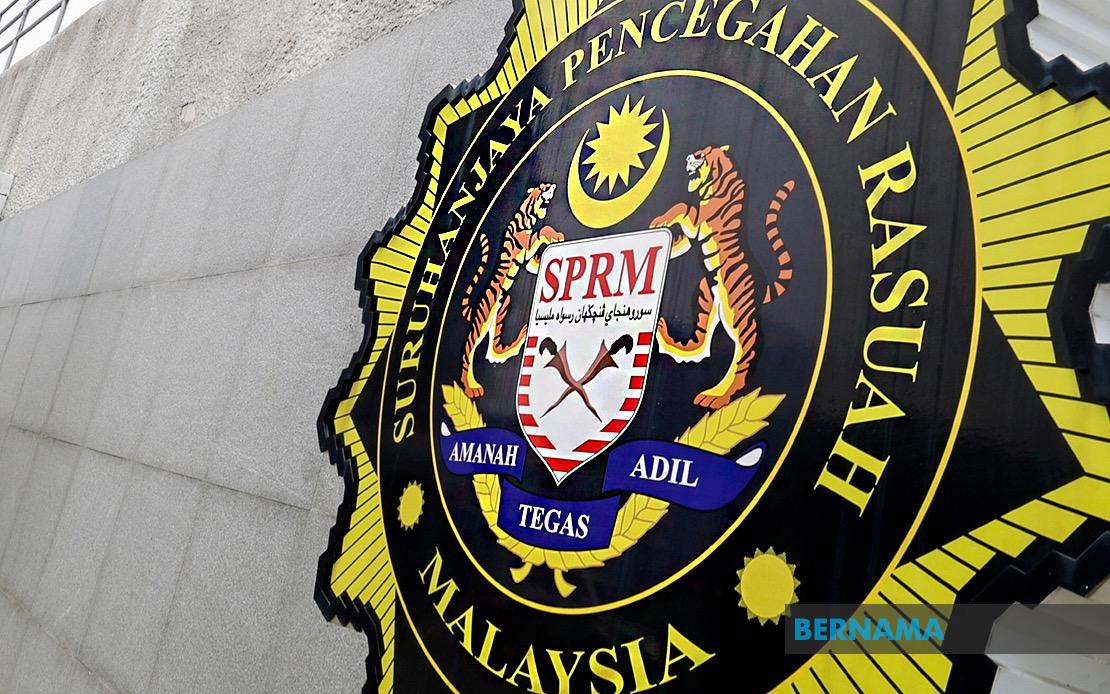
Ahead of Johor's state election, the Malaysian Anti-Corruption Commission (MACC) is mobilising significant resources to maintain electoral integrity by establishing five dedicated operations rooms where members of the public can lodge complaints about corruption and abuse of power. These centres will maintain round-the-clock operations from the nomination day on June 27 through to the polling day on July 11, reflecting the agency's commitment to ensuring that the electoral process in Malaysia's most populous peninsular state remains free from misconduct.
The five operations rooms have been strategically positioned to provide comprehensive geographical coverage across Johor. Located at the main MACC Johor office in Tampoi as well as branch offices in Batu Pahat, Kluang, Segamat, and Mersing, the distribution ensures that voters and observers across both the northern and southern regions of the state have accessible venues to report irregularities. This decentralised approach reflects lessons learned from previous electoral cycles where accessibility to complaint channels proved crucial in addressing concerns promptly.
Beyond the physical operations rooms, the MACC has established a dedicated email address—[email protected]—to accommodate complaints from individuals who prefer to submit information remotely. This multi-channel approach recognises that not all complainants may feel comfortable visiting physical offices or may face logistical barriers in reaching the nearest operations room. The digital avenue provides an additional layer of accessibility that can be particularly valuable for those in rural areas or individuals seeking to maintain anonymity during the reporting process.
The agency has made explicit assurances that all information received through these channels will undergo professional investigation conducted transparently and in accordance with applicable legal frameworks. This commitment to due process is significant given that previous elections have occasionally been shadowed by concerns about the impartiality of corruption investigations. By publicly pledging adherence to proper investigative procedures, the MACC is attempting to build public confidence that the complaint mechanisms serve as genuine accountability tools rather than instruments for political score-settling.
The timing of this announcement comes as candidates and political parties prepare for the campaign period following the nomination day. The MACC's concurrent reminder to all contesting parties and candidates underscores the regulatory environment within which the election will unfold. References to the MACC Act 2009 and the Election Offences Act 1954 (Amendment 2012) serve as explicit notices that the commission will actively enforce existing legislation against violations, ranging from financial misconduct to the misuse of public resources for campaign purposes.
For Malaysian observers, this election represents a critical test of institutional effectiveness in electoral oversight. Johor, with its significant economic importance and population base, commands attention from political analysts across the region. The establishment of dedicated MACC operations rooms demonstrates that electoral authorities are attempting to move beyond reactive approaches to corruption investigations and instead adopt proactive monitoring systems. Whether these enhanced mechanisms prove effective will likely influence how future state elections are administered elsewhere in Malaysia.
The Election Commission has configured the electoral schedule with nomination day on June 27, early voting on July 7, and the main polling day on July 11. This sequence provides a compressed timeline compared to some previous elections, requiring the MACC to mobilise its resources rapidly and efficiently. The early voting component introduces an additional layer of complexity for oversight, as MACC personnel must monitor activities across multiple voting venues on a single day while maintaining capacity to receive and process incoming complaints simultaneously.
The establishment of these operations rooms reflects broader concerns about electoral integrity that have become increasingly prominent in Southeast Asian democracies. With voters demanding greater transparency and accountability from electoral institutions, the MACC's initiative aligns with regional expectations that governments should actively demonstrate commitment to preventing misconduct rather than simply responding to scandals after they occur. The public visibility of these operations rooms sends a symbolic message that anti-corruption efforts are integral to the democratic process, not peripheral to it.
Candidates and political organisations contesting the Johor election should note that the MACC's presence throughout the campaign and voting period creates an environment of heightened scrutiny. The commission's warnings about legal violations cover a broad spectrum of potential misconduct, from the distribution of cash to voters—a persistent problem in Malaysian elections—to the inappropriate use of government machinery for campaign purposes. Parties operating in Johor would be prudent to establish their own internal compliance mechanisms to ensure that grassroots campaigners understand what conduct violates electoral law.
For voters in Johor, the existence of these complaint channels represents a tangible mechanism for participating in the integrity of the electoral process beyond casting their ballot. Individuals who witness questionable conduct—whether it involves candidate registration irregularities, suspicious campaign financing, or intimidation of voters—now have formalised pathways to report these observations to a dedicated agency positioned to investigate. This distributed responsibility model, where citizens serve as additional eyes and ears for enforcement agencies, has become a standard feature of modern electoral administration across developed democracies.
The MACC's resource commitment to the Johor election also reflects the importance that Malaysia's leadership places on managing the perceived legitimacy of electoral outcomes. Given that state elections occasionally serve as barometers for national political sentiment, there is institutional interest in ensuring that no credible allegations of widespread corruption can undermine confidence in the results. The stakes are sufficiently high that investing in additional oversight infrastructure represents a prudent expenditure from the perspective of system maintenance and public trust.

